
Annapurna Trail – Complete Guide to Nepal’s Most Scenic Trekking Route
Posted by: Laxman Bhattarai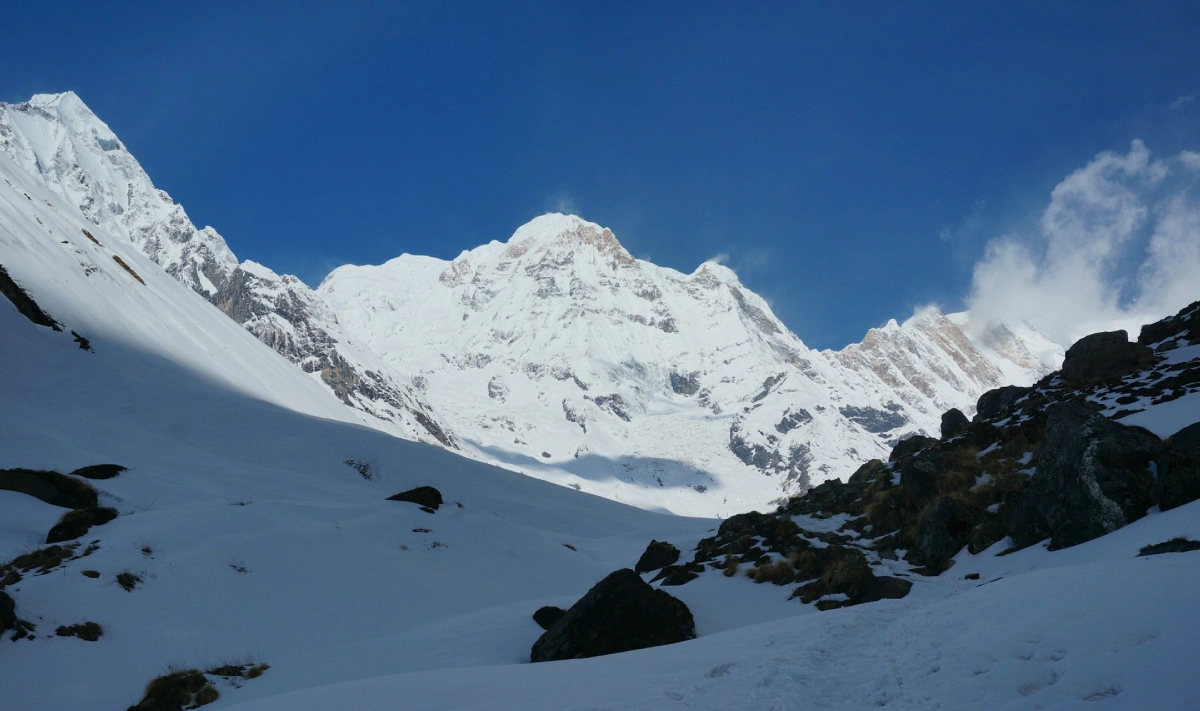
The Annapurna Trail is one of Nepal’s most iconic and rewarding trekking routes, offering an unforgettable journey through the heart of the Himalayas. Every year, thousands of trekkers from across the globe visit this region to experience its dramatic mountain scenery, rich cultural heritage, and diverse natural landscapes. Stretching across the central part of Nepal, the Annapurna region combines towering snow-capped peaks, deep river valleys, terraced farmlands, and dense rhododendron forests into a single, breathtaking trekking experience.
What makes the Annapurna Trail truly special is its variety. Trekkers can explore world-famous routes such as the Annapurna Base Camp Trek or venture into longer adventures like the Annapurna Circuit. Each route offers a different perspective of the Himalayas—from close-up glacier views at Annapurna Base Camp to high mountain passes like Thorong La. Along the way, travelers pass through traditional Gurung and Magar villages, where they can experience authentic local culture, hospitality, and mountain lifestyles that have remained unchanged for generations.
The trail is also known for its accessibility and flexibility, making it suitable for both beginners and experienced trekkers. However, proper preparation is essential, as altitude changes, varying weather conditions, and long trekking hours can be challenging. Understanding factors like difficulty level, cost, weather, altitude, permits, and best trekking seasons is important for planning a safe and enjoyable journey.
Whether you are seeking adventure, photography opportunities, or cultural immersion, the Annapurna Trail delivers a complete Himalayan experience. It is not just a trek—it is a journey through some of the most spectacular landscapes in the world, making it a must-visit destination for anyone exploring Nepal.
Introduction to Annapurna Trail
The Annapurna Trail is a famous network of trekking routes located in the Annapurna region of Nepal, in the heart of the central Himalayas. It is widely recognized for its stunning natural diversity, rich cultural experiences, and incredible views of some of the world’s highest mountains, including Annapurna I (8,091m), Machapuchare (Fishtail), and the Dhaulagiri range. For trekkers from the United States and around the world, it offers a once-in-a-lifetime opportunity to experience authentic Himalayan adventure.
Unlike many trekking destinations that focus mainly on mountain scenery, the Annapurna Trail combines breathtaking landscapes with deep cultural immersion. Along the way, trekkers pass through traditional Gurung and Magar villages, where locals warmly welcome visitors and share their unique mountain lifestyle. The route also winds through terraced farmlands, dense rhododendron forests, suspension bridges, and glacial valleys, creating a constantly changing and visually rich experience.
One of the biggest advantages of the Annapurna region is its flexibility. The trail offers a variety of trekking options, from shorter and easier routes like the Annapurna Base Camp Trek to more challenging long-distance journeys such as the Annapurna Circuit. This makes it suitable for both beginners who are new to trekking in Nepal and experienced hikers looking for a more demanding adventure.
Overall, the Annapurna Trail is not just a hiking route—it is a complete cultural and natural journey that allows travelers to connect deeply with the Himalayas in a safe, accessible, and unforgettable way.
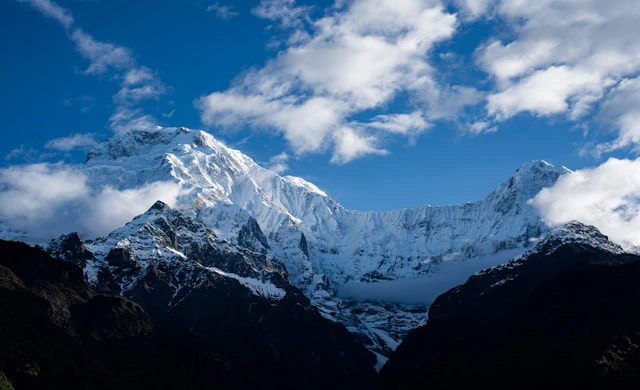
Annapurna Trekking Route Overview
The Annapurna trekking route is not a single fixed path but a network of multiple trekking options spread across the Annapurna region of Nepal. This diversity allows trekkers to choose from short scenic hikes, moderate multi-day journeys, or challenging high-altitude expeditions based on their fitness level, time, and experience. As a result, it has become one of the most flexible and popular trekking regions in the Himalayas.
Among the various options, two routes are the most famous and widely chosen by trekkers from around the world:
1. Annapurna Base Camp Trail (ABC)
- Starting point: Nayapul / Ghandruk / Jhinu Danda
- Ending point: Annapurna Base Camp (4,130m)
- Duration: 7–12 days (depending on itinerary and pace)
The Annapurna Base Camp Trail takes you directly into the heart of the Annapurna Sanctuary, a natural amphitheater surrounded by towering Himalayan peaks. Trekkers enjoy close-up views of Annapurna I, Machapuchare (Fishtail), Hiunchuli, and surrounding glaciers. The route passes through traditional Gurung villages, lush forests, and natural hot springs, offering a balanced mix of culture and scenery. It is considered a moderate trek and is suitable for beginners with basic fitness.
2. Annapurna Circuit
- Starting point: Besisahar or Dharapani
- Ending point: Jomsom / Muktinath
- Duration: 12–18 days
The Annapurna Circuit is a longer and more adventurous trekking route. It is known for its dramatic changes in landscape, ranging from green valleys and rice fields to dry high-altitude deserts. The highlight of this route is crossing Thorong La Pass at 5,416 meters, one of the highest trekking passes in the world. This route requires better fitness and acclimatization but rewards trekkers with incredible diversity and panoramic mountain views.
Both routes offer unique Himalayan experiences, and many trekkers choose to combine sections of the Annapurna Base Camp Trek and the Annapurna Circuit to enjoy a more complete and immersive journey through the Annapurna region.
Annapurna Base Camp Trail Experience
The Annapurna Base Camp Trail is one of the most iconic trekking experiences in Nepal, offering a direct journey into the heart of the Annapurna Sanctuary. As you trek deeper into the region, you are surrounded by towering Himalayan peaks on all sides, creating a natural amphitheater of snow-covered mountains. The trail combines stunning scenery, cultural encounters, and a rewarding sense of adventure, making it one of the most popular routes in the Annapurna region.
Key Highlights:
- Close-up views of Annapurna I, Machapuchare, and Hiunchuli
- Relaxing natural hot springs at Jhinu Danda
- Traditional Gurung villages such as Ghandruk
- Beautiful rhododendron forests, especially vibrant in spring
The route offers a perfect balance of moderate trekking difficulty and breathtaking landscapes, making the Annapurna Base Camp Trail ideal for first-time trekkers in the Himalayas.
Annapurna Trail Difficulty Level
The Annapurna trail difficulty varies significantly depending on the route you choose, duration of the trek, and altitude gained during the journey. Overall, it is considered a moderate trekking experience, but certain sections can become physically demanding, especially at higher elevations. Proper preparation, pacing, and acclimatization play a key role in completing the trek safely and comfortably.
Difficulty Levels:
- Easy to Moderate:
- Annapurna Base Camp Trek
- Short Annapurna trails and village hikes
- Moderate to Difficult:
- Annapurna Circuit Trek
- High-altitude sections such as Thorong La Pass (5,416m)
Main Challenges:
- Long daily walking hours (5–8 hours on average)
- Steep stone steps and continuous ascents/descents
- Cold temperatures at higher elevations
- Reduced oxygen levels above 3,000 meters
Although the Annapurna trail is not technically difficult, it requires good fitness, stamina, and mental preparation. Beginners can successfully complete the trek with proper training, gradual ascent, and adequate acclimatization breaks.
Annapurna Trail Cost Breakdown
The Annapurna trail cost depends on the route you choose, trekking duration, level of comfort, and whether you hire a guide or porter. Generally, it is considered one of the more affordable Himalayan trekking experiences, but costs can increase with added services and longer itineraries.
Estimated Budget per Person:
- Permits
- ACAP Permit: USD 25–30
- TIMS Card: USD 10–20
Permits are mandatory for all trekkers and help support conservation and trail management in the Annapurna region.
- Accommodation
- Teahouses: USD 5–15 per night
Basic but comfortable mountain lodges offering food and shelter along the trail.
- Food
- Meals: USD 20–35 per day
Costs increase with altitude due to transportation difficulties.
- Guide and Porter
- Guide: USD 25–35 per day
- Porter: USD 20–30 per day
Hiring support staff improves safety and comfort, especially on longer routes.
- Transportation
- Kathmandu–Pokhara: USD 10–30
- Local transport to trailheads: USD 5–20
Total Estimated Cost:
- Budget trek: USD 500–800
- Comfortable guided trek: USD 900–1500+
Overall, the Annapurna trail cost remains flexible and can be adjusted based on travel style, making it suitable for both budget and premium trekkers.

Annapurna Trail Guide overview
A trail guide plays a crucial role in ensuring a safe and meaningful trekking experience in the Annapurna region.
Why hire a guide?
- Navigation through remote trails
- Weather and altitude safety support
- Assistance in emergencies
- Cultural interpretation of local villages
Solo vs Guided Trekking:
- Solo trekking: More freedom, lower cost, but higher risk
- Guided trekking: Safer, more informative, highly recommended for beginners
A professional Annapurna trail guide also helps you connect with local communities and understand Himalayan culture more deeply.
Weather on Annapurna Trail
The weather on the Annapurna Trail plays a major role in planning a successful trek, as conditions change significantly with altitude and season. Trekkers experience everything from warm subtropical climates in lower valleys to freezing temperatures near high passes and base camp areas. Understanding seasonal patterns helps you choose the safest and most enjoyable time for your journey.
Seasonal Weather Guide:
- Spring (March–May):
- Warm and pleasant temperatures at lower elevations
- Clear skies with excellent Himalayan visibility
- Rhododendron forests in full bloom, adding vibrant colors to the trail
- Ideal for photography and comfortable trekking conditions
- Autumn (September–November):
- Considered the best trekking season for the Annapurna region
- Stable weather with minimal rainfall
- Crystal-clear mountain views and dry trekking trails
- Perfect balance of temperature and visibility for all trekkers
- Winter (December–February):
- Very cold conditions at higher altitudes, especially above 3,000m
- Snowfall possible on upper sections and passes
- Fewer trekkers, offering a quiet and peaceful experience
- Suitable only for well-prepared and experienced trekkers
- Monsoon (June–August):
- Heavy rainfall in lower regions, increasing trail difficulty
- Risk of landslides and slippery paths
- Lush green landscapes and fewer crowds
- Not recommended for most trekking plans
Best Time to Trek:
Autumn and spring are widely considered the most reliable and rewarding seasons for the Annapurna Trail, offering the best combination of safety, visibility, and overall trekking experience.
Altitude on Annapurna Trail
The altitude variation on the Annapurna Trail is one of the most important factors trekkers must understand before starting their journey. The route gradually climbs from low river valleys to high Himalayan landscapes, making proper acclimatization essential for safety and comfort.
Key Elevation Points:
| Location | Elevation | Description |
| Pokhara | 822m | Starting gateway city for most Annapurna treks |
| Ghandruk | 1,940m | Popular Gurung village with mountain views |
| Annapurna Base Camp | 4,130m | High-altitude amphitheater surrounded by peaks |
| Thorong La Pass (Circuit) | 5,416m | One of the highest trekking passes in the world |
Altitude Considerations:
| Factor | Details |
| Risk of AMS | Acute Mountain Sickness becomes common above 3,000m |
| Ascent Rate | Gradual climbing is important to adapt safely |
| Hydration | Drinking enough water helps reduce altitude effects |
| Rest Days | Acclimatization days improve trekking safety and endurance |
Proper altitude management ensures a safe, enjoyable, and successful experience on the Annapurna Trail, especially for first-time trekkers in the Himalayas.
Permits Required for Annapurna Trail
To trek the Annapurna trail, you need two main permits:
1. Annapurna Conservation Area Permit (ACAP)
- Required for all trekkers
- Helps support conservation efforts
2. TIMS Card (Trekkers’ Information Management System)
- Used for trekker tracking and safety
Where to get permits:
- Nepal Tourism Board offices in Kathmandu or Pokhara
- Through registered trekking agencies
Always carry permits during trekking checkpoints.
Annapurna Trail vs Other Trekking Routes
Annapurna Trail vs Everest Base Camp Trek
- Annapurna: More diverse landscapes, easier access
- Everest: Higher altitude, more challenging terrain
Annapurna Base Camp Trek vs Circuit
- ABC: Shorter, scenic, moderate difficulty
- Circuit: Longer, more challenging, culturally diverse
Each route offers a unique Himalayan experience.
Annapurna Trail Highlights
- Panoramic mountain views
- Suspension bridges over deep valleys
- Traditional Gurung and Magar villages
- Natural hot springs
- Rich biodiversity and forest trails
The combination of nature and culture makes the Annapurna trail unforgettable.
Travel Tips for Annapurna Trail
- Train before trekking (cardio and endurance)
- Pack layered clothing for changing temperatures
- Drink plenty of water to prevent altitude sickness
- Carry cash (ATMs are limited on trails)
- Always follow your guide’s instructions
Travel insurance covering high-altitude trekking is strongly recommended.
Conclusion
The Annapurna Trail is more than just a trekking route—it is a journey through some of the most spectacular landscapes and cultures in the Himalayas. From the peaceful villages of the Annapurna region to the dramatic peaks of the Annapurna Base Camp and the adventurous routes of the Annapurna Circuit, this trail offers something for every kind of traveler.
Whether you are a beginner or an experienced trekker, the Annapurna region promises a life-changing Himalayan adventure filled with natural beauty, cultural depth, and unforgettable memories.
If you are planning a trek in Nepal, the Annapurna Trail should be at the top of your list.
FAQs
1. What is the Annapurna Trail?
The Annapurna Trail is a network of trekking routes in the Annapurna region of Nepal. It includes popular routes like the Annapurna Base Camp Trek and the Annapurna Circuit, offering diverse landscapes, villages, and Himalayan views.
2. How difficult is the Annapurna Trail?
The difficulty of the Annapurna Trail ranges from easy to challenging. Short treks like Annapurna Base Camp are moderate, while the Annapurna Circuit is more difficult due to higher altitude and long trekking days.
3. What is the best time to trek the Annapurna Trail?
The best seasons are spring (March–May) and autumn (September–November). These months offer clear skies, stable weather, and excellent mountain views.
4. How long does the Annapurna Trail take?
It depends on the route:
Annapurna Base Camp Trek: 7–12 days
Annapurna Circuit: 12–18 days
Shorter variations are also available.
5. How much does the Annapurna Trail cost?
The average cost ranges from USD 500 to 1500+, depending on whether you trek independently or with a guide, and the level of comfort you choose.
6. Do I need a guide for the Annapurna Trail?
A guide is not mandatory but highly recommended. A trail guide helps with navigation, safety, local culture, and emergency support, especially at higher altitudes.
7. What permits are required for the Annapurna Trail?
You need:
ACAP (Annapurna Conservation Area Permit)
TIMS Card (Trekkers’ Information Management System)
8. Is altitude sickness a risk on the Annapurna Trail?
Yes, especially above 3,000m. Proper acclimatization, hydration, and gradual ascent are important to reduce the risk of AMS.
9. What is the highest point on the Annapurna Trail?
The highest point is Thorong La Pass (5,416m) on the Annapurna Circuit. Annapurna Base Camp itself is at 4,130m.
10. Is the Annapurna Trail suitable for beginners?
Yes, the Annapurna Base Camp Trek is beginner-friendly with moderate fitness. However, preparation is important for long walking hours and altitude changes.
Related Post
Gokyo Lakes Trek: Complete Guide to the Gokyo Ri Trek and Himalayan Lakes
 Laxman Bhattarai
 03/06/2026
Exploring the Rich Flavors of Coffee in Nepal: A Journey
Laxman Bhattarai
27/05/2026
Bhutan Festival Tours: Experience the Vibrant Culture of the Himalayas
Laxman Bhattarai
20/05/2026
Rhododendron Trek in Nepal: A Complete Guide to Colorful Himalayan Trails
Laxman Bhattarai
06/05/2026