
24/03/2025
Discovering Mount Everest
Posted by: admin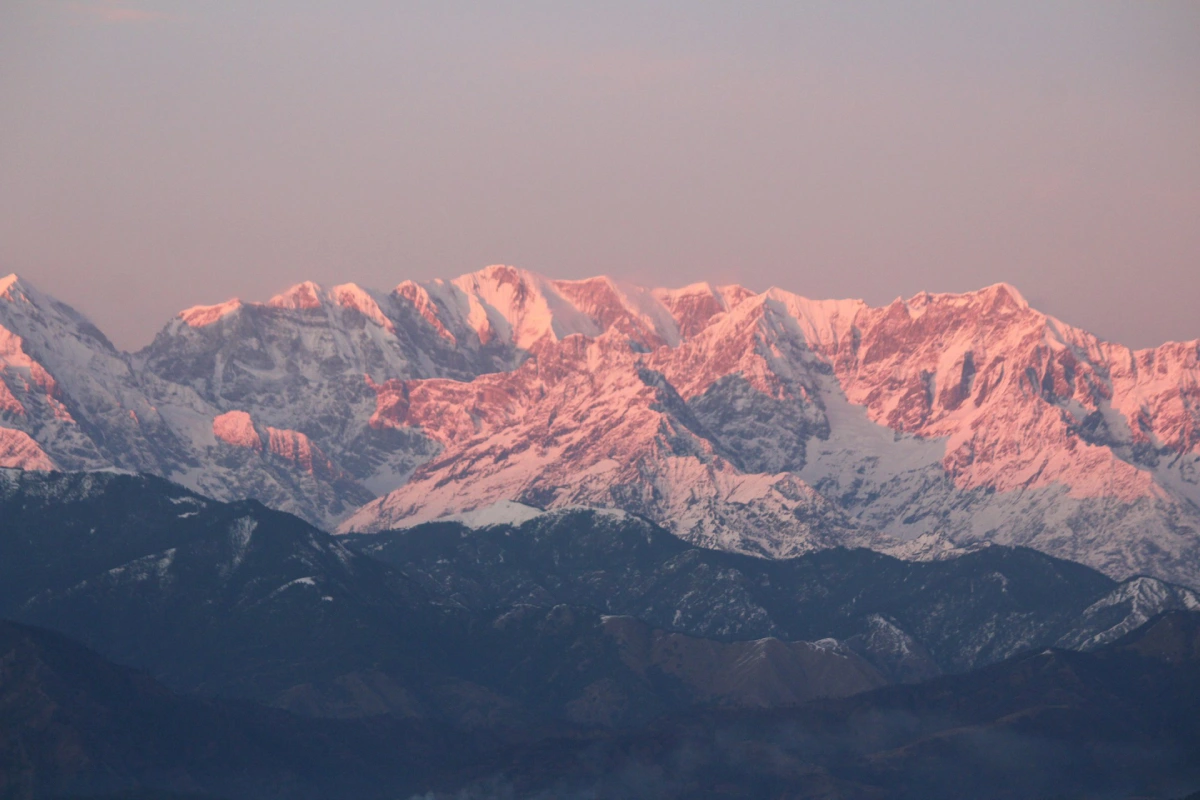
Discovering Mount Everest, the highest mountain in the world, standing proudly in the Himalayas between Nepal and Tibet. Known as Sagarmatha in Nepal and Chomolungma in Tibet, it symbolizes strength, adventure, and natural beauty. Every year, trekkers and climbers visit the Everest region to experience stunning landscapes, rich Sherpa culture, and breathtaking views of snow-covered peaks. Even without climbing the summit, discovering Mount Everest is a journey filled with inspiration, wonder, and respect for nature.
The Ultimate Guide to Its Location and Surroundings
The ultimate guide invites you to discover the breathtaking location of Everest and the stunning surroundings that make this region a trekking paradise. From lush valleys and picturesque villages to ancient monasteries and shimmering glacial lakes, the journey to Everest Base Camp is as captivating as the summit itself.
Whether you are a seasoned climber or a curious traveler, this guide will equip you with essential information and insights to navigate this iconic mountain and appreciate the rich culture of the Sherpa people. Join us as we explore the allure and adventure that awaits at the top of the world.
Mount Everest is majestically positioned on the border between Nepal and the Tibet Autonomous Region of China, marking one of the most iconic and remote natural wonders on our planet. This colossal mountain stands prominently as part of the Himalayan range, which stretches across five countries: Bhutan, China, India, Nepal, and Pakistan. The exact coordinates of Mount Everest are 27.9881° N latitude and 86.9250° E longitude, situating it in the Solu-Khumbu region of Nepal and the Tibet Autonomous Region of China. Everest is part of the larger Mahalangur Himal sub-range of the Himalayas, which includes other notable peaks such as Lhotse, Nuptse, and Changtse.
The mountain’s location in the central Himalayas makes it a significant geographical landmark, attracting trekkers, climbers, and researchers from around the world. Its prominence has earned it the local Tibetan name “Chomolungma,” which means “Goddess Mother of the World,” and the Nepali name “Sagarmatha,” meaning “Forehead in the Sky.” These names reflect the reverence and cultural significance the mountain holds for the local people. Everest’s position, straddling two countries, also makes it accessible from multiple routes, with the southern approach through Nepal being the most popular among climbers.
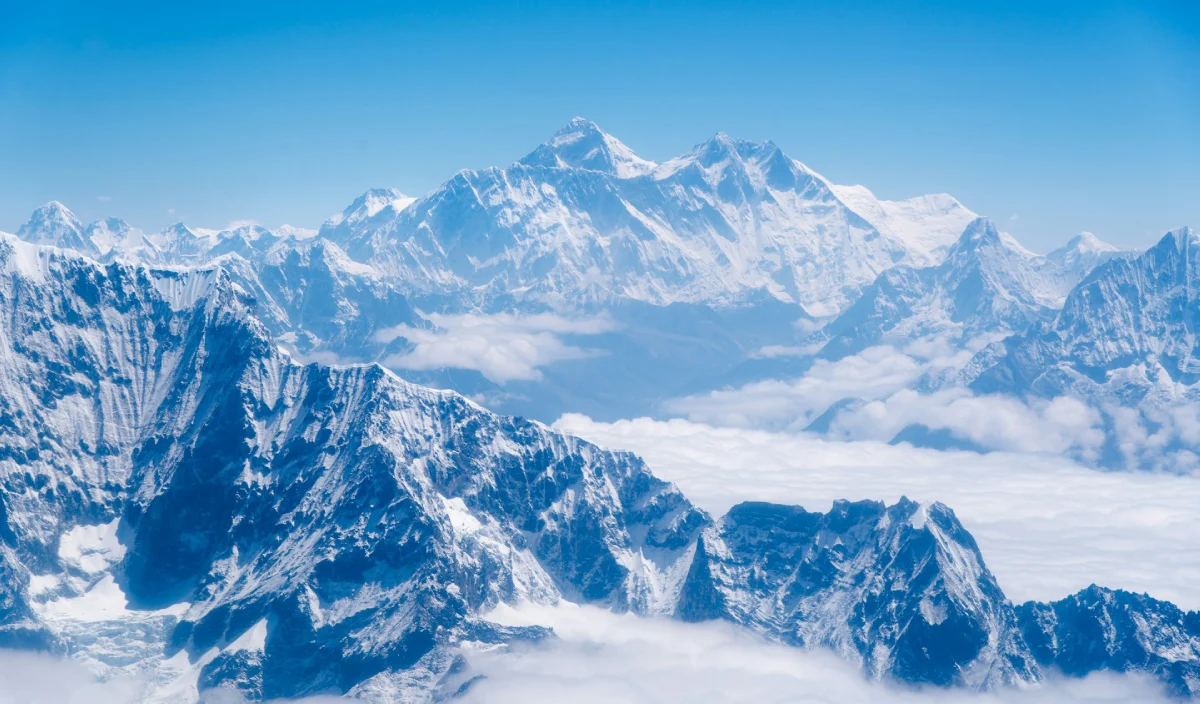
The terrain surrounding Mount Everest is characterized by dramatic landscapes, including deep valleys, towering cliffs, and expansive glaciers. The region is part of the larger Sagarmatha National Park in Nepal, a UNESCO World Heritage site that encompasses some of the world’s highest peaks and most pristine natural environments. This geographical setting not only provides a stunning backdrop for adventurers but also supports a rich biodiversity and a unique cultural heritage, making it a fascinating destination for anyone interested in exploring the natural and cultural wonders of the Himalayas.
The Surrounding Himalayan Range
The Himalayan range, often referred to as the “Roof of the World,” extends over 2,400 kilometers and encompasses some of the most awe-inspiring landscapes on Earth. This mountain range includes over 100 peaks exceeding 7,200 meters, with Mount Everest being the most renowned. The Himalayas are divided into three major sections: the Western Himalayas, the Central Himalayas, and the Eastern Himalayas. Mount Everest is part of the Central Himalayas, which also includes other towering giants like Kanchenjunga and Makalu.
The surrounding Himalayan range is not only significant for its colossal peaks but also for its rich geological history and diverse ecosystems. The formation of the Himalayas began around 50 million years ago, resulting from the collision of the Indian Plate with the Eurasian Plate. This tectonic activity continues to shape the region, contributing to its rugged terrain and frequent seismic activity. The Himalayas play a crucial role in influencing the climate of the Indian subcontinent, acting as a barrier that affects monsoon patterns and creating diverse climatic zones within the range.
Beyond its geological and climatic significance, the Himalayan range is home to a vast array of flora and fauna, many of which are endemic to the region. The diverse ecosystems range from subtropical forests at lower elevations to alpine meadows and glaciers at higher altitudes. This biodiversity is supported by the varying climates and altitudes found within the range, making the Himalayas a hotspot for biological research and conservation efforts. For trekkers and climbers, the surrounding Himalayan range offers endless opportunities for exploration and adventure, with each valley and peak presenting its own unique challenges and rewards.
Climate and Weather Patterns on Mount Everest
Mount Everest has one of the most extreme and unpredictable climates on Earth, making it a serious challenge for climbers. The mountain is defined by freezing temperatures, powerful winds, and frequent snowfall that can change suddenly at any time. The main climbing seasons are pre-monsoon (April–May) and post-monsoon (September–October). During these periods, summit temperatures range from -20°C to -30°C, with wind chill making conditions even harsher. While pre-monsoon offers relatively stable weather, storms and high winds remain a constant risk. Lower areas like Everest Base Camp are slightly milder but still demanding, and dangerous sections such as the Khumbu Icefall are highly affected by weather changes. Proper preparation and respect for Everest’s climate are essential for safety.
Climate and Weather on Mount Everest
| Aspect | Description |
|---|---|
| Overall Climate | Extremely cold, windy, and unpredictable high-altitude climate |
| Main Climbing Seasons | Pre-monsoon (April–May) and Post-monsoon (September–October) |
| Summit Temperature | Around -20°C to -30°C during climbing seasons |
| Wind Conditions | Strong winds with severe wind chill effects |
| Monsoon Season | June–August; heavy snowfall and high avalanche risk |
| Base Camp Temperature | Ranges from -10°C to -20°C during climbing seasons |
| Weather Risks | Sudden storms, snowfall, avalanches, and shifting ice |
| Most Dangerous Section | Khumbu Icefall due to unstable ice and crevasses |
| Importance for Climbers | Weather awareness is crucial for safety and success |
Accessibility and Routes to Mount Everest
Accessing Mount Everest involves a journey through some of the most remote and challenging terrains in the world. The two primary routes to the summit are the South Col Route from Nepal and the North Col Route from Tibet, each offering its own set of challenges and logistical considerations. The South Col Route, starting from the town of Lukla in Nepal, is the most popular and well-trodden path, favored for its relative accessibility and established infrastructure.
The journey to Everest Base Camp on the South Col Route begins with a flight to Lukla, a small mountain airstrip known for its dramatic landing and takeoff. From Lukla, trekkers embark on a multi-day trek through the Khumbu Valley, passing through picturesque Sherpa villages, dense forests, and rugged mountain terrain. Key stops along the way include Namche Bazaar, the bustling heart of the Khumbu region, and Tengboche Monastery, a significant cultural and spiritual site. The trek to base camp not only offers stunning views of Everest and its neighboring peaks but also provides opportunities to acclimatize to the high altitude, an essential factor for a successful climb.
The North Col Route from Tibet, while less frequented, offers a unique perspective of Everest and a different set of challenges. Climbers typically start their journey from Lhasa, the capital of Tibet, and travel overland to the base camp located on the northern side of the mountain. This route involves crossing the Tibetan Plateau, with its own high-altitude challenges and cultural experiences. The North Col Route is known for its steeper and more exposed sections, particularly the notorious “Second Step,” a nearly vertical rock face that climbers must navigate using fixed ropes and ladders. Regardless of the chosen route, reaching the summit of Mount Everest requires careful planning, physical endurance, and unwavering determination.
Discovering Mount Everest Key Base Camps and Their Features
Mount Everest’s base camps serve as the staging grounds for climbers preparing to make their ascent to the summit.
- Mount Everest has two main base camps that act as preparation and support centers for climbers: South Base Camp (Nepal) and North Base Camp (Tibet).
- These base camps are essential for acclimatization, logistics, training, and safety support before attempting the summit.
South Base Camp (Nepal)
- Located in the Khumbu Valley at an altitude of 5,364 meters.
- Reached by trekking from Lukla.
- The starting point for the South Col Route is the most popular climbing route.
- Becomes a busy temporary settlement during climbing seasons.
- Equipped with tents, dining areas, medical facilities, and communication systems.
- Offers views of Nuptse, Lhotse, and the Khumbu Icefall.
- Climbers spend several days here for acclimatization and training.
North Base Camp (Tibet)
- Located at an altitude of 5,150 meters on the Tibetan side of Everest.
- Accessed via Lhasa and an overland drive across the Tibetan Plateau.
- Starting point for the North Col Route.
- Less crowded, offering a quieter and more remote experience.
- Provides panoramic views of Everest’s north face.
- Involves steeper and more exposed climbing sections.
- Both base camps are equipped with weather monitoring, rescue services, and communication systems.
- They play a vital role in ensuring climber safety, preparation, and expedition success.
Both base camps play a critical role in the success of Everest expeditions, providing climbers with the necessary resources and support to tackle the formidable challenge of reaching the summit. The camps are equipped with communication systems, weather monitoring equipment, and rescue services to ensure the safety and well-being of climbers. The unique features and strategic importance of these base camps make them essential components of any Everest expedition, offering a blend of adventure, preparation, and camaraderie in the heart of the Himalayas.
Flora and Fauna in the Everest Region
The Everest region, part of the Sagarmatha National Park, is a rich tapestry of diverse flora and fauna adapted to the harsh conditions of high-altitude environments. Despite the extreme climate and rugged terrain, this region supports a variety of plant and animal species, contributing to its unique ecological significance. The biodiversity of the Everest region is a testament to the resilience of life in one of the world’s most challenging habitats.
At lower elevations, the Everest region is characterized by lush forests of rhododendron, pine, and fir trees. These forests provide habitat for a variety of bird species, including the colorful Impeyan pheasant, also known as the Danphe, which is the national bird of Nepal. Other bird species found in the region include the Himalayan monal, snow pigeon, and several species of eagles and vultures. The forests also support a range of mammals, such as the Himalayan tahr, a type of wild goat, and the elusive snow leopard, which is a top predator in the region.

As the altitude increases, the vegetation transitions to alpine meadows and scrublands, where hardy plants such as juniper and dwarf rhododendron dominate the landscape. These high-altitude areas are home to specialized species that have adapted to the cold and low-oxygen conditions. Among the notable wildlife in these zones are the Himalayan marmot, a burrowing rodent, and the blue sheep, or bharal, which are often seen grazing on the steep slopes. The region’s rivers and glacial lakes also support aquatic life, including various species of trout.
The flora and fauna of the Everest region not only enhance the natural beauty of the landscape but also play a vital role in the ecological balance of the area. Conservation efforts in Sagarmatha National Park aim to protect this unique biodiversity and ensure the sustainability of the environment for future generations. For trekkers and climbers, encountering the diverse wildlife and plant life of the Everest region adds an enriching dimension to their journey, offering a deeper appreciation of the natural world in this remote corner of the Himalayas.
Cultural Significance of Mount Everest
Mount Everest holds profound cultural significance for the local Sherpa people and other communities living in its shadow. For centuries, the mountain has been revered as a sacred place, embodying the spiritual beliefs and cultural heritage of the region. The Sherpa people, who are renowned for their mountaineering skills and resilience, consider Everest, or “Chomolungma,” to be the abode of their gods and a source of spiritual inspiration.
The cultural significance of Mount Everest is reflected in the numerous monasteries and religious sites that dot the region. Tengboche Monastery, one of the most important spiritual centers in the Khumbu Valley, serves as a place of worship and meditation for both locals and trekkers. The monastery hosts the annual Mani Rimdu festival, a vibrant celebration of Buddhist rituals, masked dances, and prayers. This festival is a testament to the deep-rooted spiritual traditions that permeate life in the Everest region and offers a unique cultural experience for visitors.
The Sherpa community’s connection to Everest extends beyond spiritual reverence to their daily lives and livelihoods. Sherpas have been integral to the history of Everest expeditions, serving as guides, porters, and climbers who support international teams in their quest to summit the mountain. Their intimate knowledge of the terrain, weather patterns, and climbing techniques has been crucial to the success of many expeditions. The Sherpa people’s cultural heritage, resilience, and hospitality are celebrated and respected by climbers and trekkers who venture into their homeland.
Mount Everest’s cultural significance is not limited to the local communities; it also holds a symbolic place in the global imagination. As the highest point on Earth, Everest represents the ultimate challenge and a symbol of human determination and exploration. The mountain’s cultural and historical legacy is intertwined with stories of triumph and tragedy, inspiring adventurers and dreamers from around the world. Understanding and respecting the cultural significance of Mount Everest enhances the experience of those who journey to its slopes, fostering a deeper connection to the mountain and its people.
Safety and Preparation for Everest Expeditions
Embarking on an expedition to Mount Everest requires meticulous preparation and a strong focus on safety. The mountain’s extreme conditions and challenging terrain demand that climbers be well-equipped, physically fit, and mentally prepared for the rigors of high-altitude mountaineering. Successful and safe ascents are the result of careful planning, thorough training, and adherence to best practices.
One of the most critical aspects of preparation for an Everest expedition is physical conditioning. Climbers must undergo rigorous training to build strength, endurance, and cardiovascular fitness. This preparation often includes a combination of aerobic exercises, strength training, and high-altitude trekking to simulate the conditions on the mountain. Acclimatization is another key factor, as it helps the body adapt to the low oxygen levels at high altitudes. Climbers typically spend several weeks acclimatizing at various camps along the route, gradually ascending to higher elevations to reduce the risk of altitude sickness.
Safety on Everest also depends on having the right gear and equipment. Climbers must be outfitted with high-quality clothing and gear designed for extreme cold and high-altitude conditions. This includes insulated jackets, thermal layers, gloves, hats, and specialized mountaineering boots. Essential climbing equipment such as harnesses, ropes, carabiners, and ice axes are also necessary for navigating the mountain’s technical sections. Additionally, climbers must carry oxygen tanks and masks to assist with breathing at the highest elevations, where the air is thin and oxygen levels are critically low.
Beyond physical preparation and gear, climbers must also be knowledgeable about the mountain’s hazards and possess the skills to navigate them safely. This includes understanding weather patterns, recognizing signs of altitude sickness, and knowing how to use climbing equipment effectively. Many climbers choose to join guided expeditions led by experienced mountaineers who provide expertise, support, and logistical coordination. These guides play a vital role in ensuring the safety and success of the expedition, offering valuable insights and assistance throughout the climb.
Conclusion: The Allure of Mount Everest
Mount Everest’s allure lies in its unparalleled beauty, formidable challenge, and rich cultural heritage. As the highest peak on Earth, it stands as a beacon for adventurers and explorers, drawing them to its slopes with the promise of unparalleled achievement and breathtaking experiences. The journey to Everest is more than just a physical ascent; it is a profound exploration of nature, culture, and the human spirit.
The majestic landscapes surrounding Everest, from lush valleys to towering peaks, offer a visual feast for trekkers and climbers. The diverse flora and fauna, adapted to the harsh conditions of the Himalayas, add to the region’s ecological richness and provide unique encounters with nature. The cultural significance of Everest, deeply rooted in the traditions and beliefs of the Sherpa people, enriches the experience with a sense of spiritual connection and respect for the mountain’s sacredness.
For those who undertake the challenge of climbing Everest, the journey is a testament to human perseverance and resilience. The preparation, training, and dedication required to reach the summit are immense, but the rewards are equally profound. Standing atop the world, gazing at the horizon from the highest point on Earth, is an achievement that few can claim. It is a moment that embodies the triumph of the human spirit and the unyielding desire to explore the unknown.
Whether you are a seasoned climber or a curious traveler, discovering Mount Everest and its surroundings is an adventure that transcends physical boundaries. It is an invitation to explore the natural wonders of the Himalayas, immerse yourself in the rich culture of the Sherpa people, and push the limits of what is possible. The allure of Mount Everest is timeless, inspiring generations of adventurers to dream big and reach for the sky.
Related Post

Guide to Annapurna Base Camp Elevation: Everything Trekkers Should Know
 Laxman Bhattarai
 18/03/2026
Photography Tours in Nepal: Capture the Himalayas, and Wilderness
Laxman Bhattarai
25/02/2026
Trekking with Kids in the Annapurna Region: Family Adventure in Nepal
ntsherpa79
16/12/2025