
Kingdom of Bhutan – The Last Himalayan Kingdom of Happiness
Posted by: Laxman Bhattarai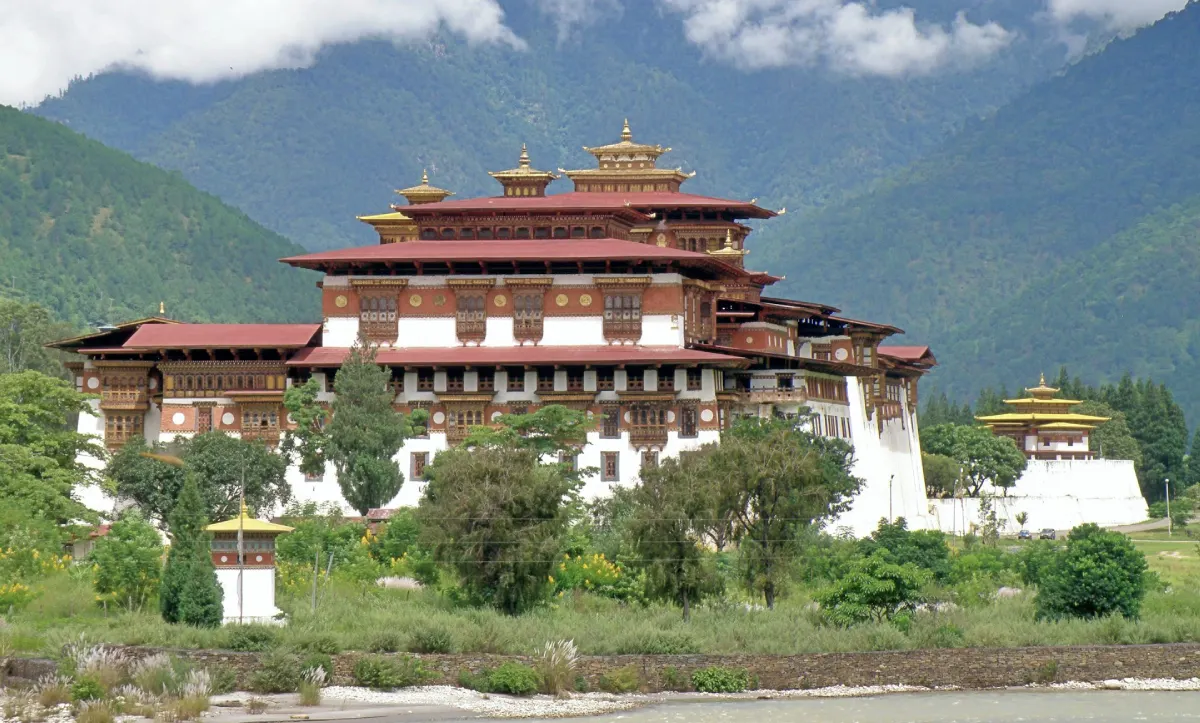
The Kingdom of Bhutan is one of the world’s most captivating travel destinations, located deep within the Eastern Himalayas. Known for its untouched landscapes, ancient Buddhist traditions, and the globally respected philosophy of Gross National Happiness (GNH), Bhutan offers a travel experience unlike any other destination on Earth.
Unlike mass tourism hotspots, Bhutan tourism is carefully regulated through a “High Value, Low Impact” policy. This ensures that visitors experience authentic culture and pristine nature while helping preserve Bhutan’s identity for future generations. Premium travel experiences such as a royal bliss tour, bliss Bhutan tour, or a bliss tour Kingdom of Bhutan are designed to offer immersive, meaningful, and well-curated journeys.
Where is the Kingdom of Bhutan Located?
Bhutan is a small yet geographically diverse country located in the Eastern Himalayas of South Asia. It shares borders with India on the south, east, and west, and China (Tibet) to the north. Despite its size, Bhutan’s terrain is incredibly rich, featuring snow-capped mountains, lush valleys, and dense forests.
The country remained isolated for centuries, which helped preserve its traditions, environment, and cultural identity. Today, Bhutan is globally recognized as one of the most environmentally conscious nations, with over 70% of its land covered in forests, making it a carbon-negative country.
Bhutan’s unique location offers both accessibility and exclusivity, contributing to its appeal as a premium travel destination.
- Located in the Eastern Himalayan region of South Asia
- Surrounded by India and China
- Paro hosts the only international airport
- Overland entry possible through Indian border towns
- Mountainous terrain with diverse ecosystems
History of the Kingdom of Bhutan
Bhutan’s history is deeply intertwined with Buddhism and a strong monarchy that has guided the nation through centuries. The country was unified in the 17th century by Zhabdrung Ngawang Namgyal, who introduced a dual system of governance combining spiritual and administrative authority.
In 1907, Bhutan became a monarchy under Ugyen Wangchuck, marking the beginning of a stable royal lineage. Over time, Bhutan transitioned peacefully into a constitutional monarchy in 2008, blending tradition with modern governance.
Bhutan’s kings are widely respected for prioritizing national happiness and sustainable development over rapid industrialization. Their leadership has ensured that modernization does not come at the cost of cultural identity.
- Buddhism introduced in the 7th century
- Unified in the 17th century under Zhabdrung
- Monarchy established in 1907
- Constitutional democracy introduced in 2008
- Strong royal leadership guiding development
Culture and Traditions of Bhutan
Bhutanese culture is one of the most well-preserved in the world, deeply rooted in Buddhist philosophy and community values. Daily life revolves around spirituality, respect for nature, and harmony within society.
Traditional dress is still widely worn, especially during official events and festivals. Men wear the Gho, while women wear the Kira, symbolizing cultural pride. Bhutanese architecture is equally distinctive, characterized by intricately carved woodwork and fortress-like structures known as dzongs.
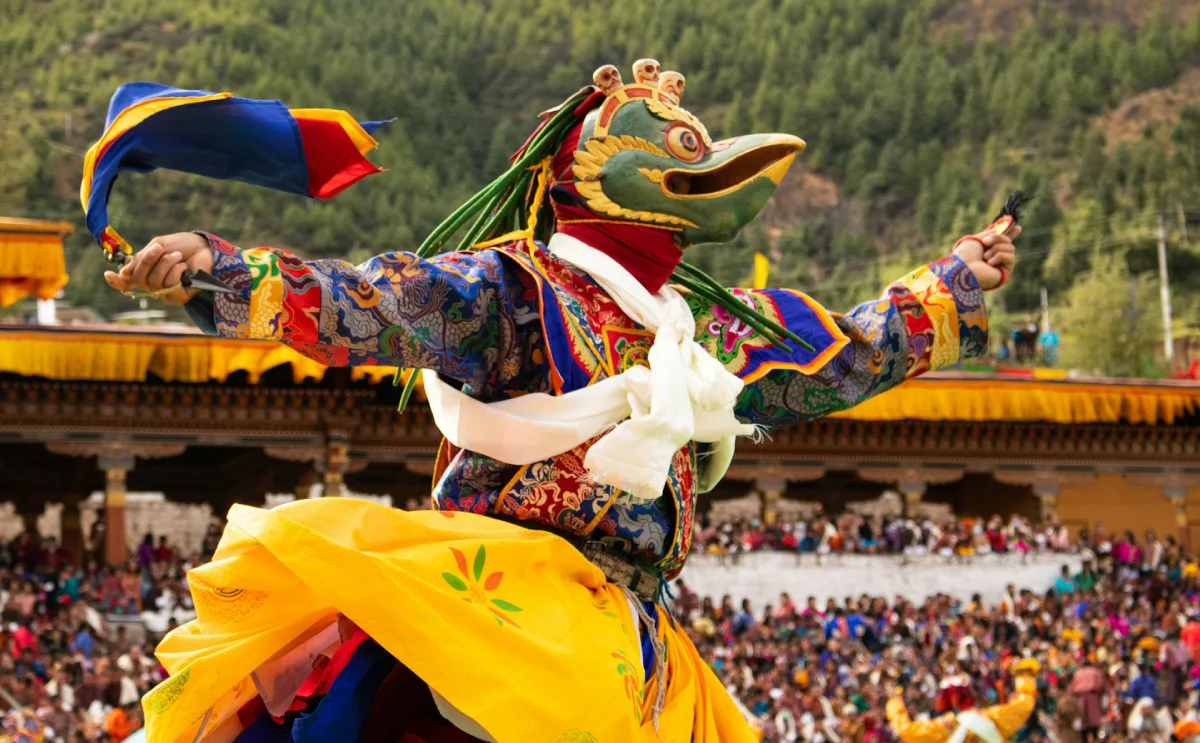
Festivals, known as Tshechus, play a vital role in Bhutanese society. These vibrant events feature masked dances, religious rituals, and community gatherings that reflect centuries-old traditions exploring Bhutan tourism.
- Traditional dress includes Gho and Kira
- Festivals (Tshechus) celebrated across the country
- Dzongs and monasteries define architecture
- Buddhism influences daily life and values
- Strong sense of community and harmony
Gross National Happiness Philosophy
Bhutan is globally famous for its unique development philosophy called Gross National Happiness. Unlike other nations that measure success through GDP, Bhutan prioritizes the happiness and well-being of its people.
This philosophy is built on four pillars: sustainable development, environmental conservation, cultural preservation, and good governance. It guides government policies and ensures that progress benefits both society and nature.
Visitors often feel a sense of peace and balance while traveling in Bhutan, which reflects the country’s commitment to holistic well-being.
- Focuses on happiness rather than economic output
- Encourages sustainable and balanced development
- Protects environment and cultural heritage
- Promotes ethical governance
- Enhances quality of life for citizens
Top Places to Visit in Bhutan
Bhutan offers breathtaking destinations that combine spirituality, nature, and culture. These places are key highlights of most Bhutan tourism itineraries and luxury tours like the royal bliss tour.
1. Paro Valley
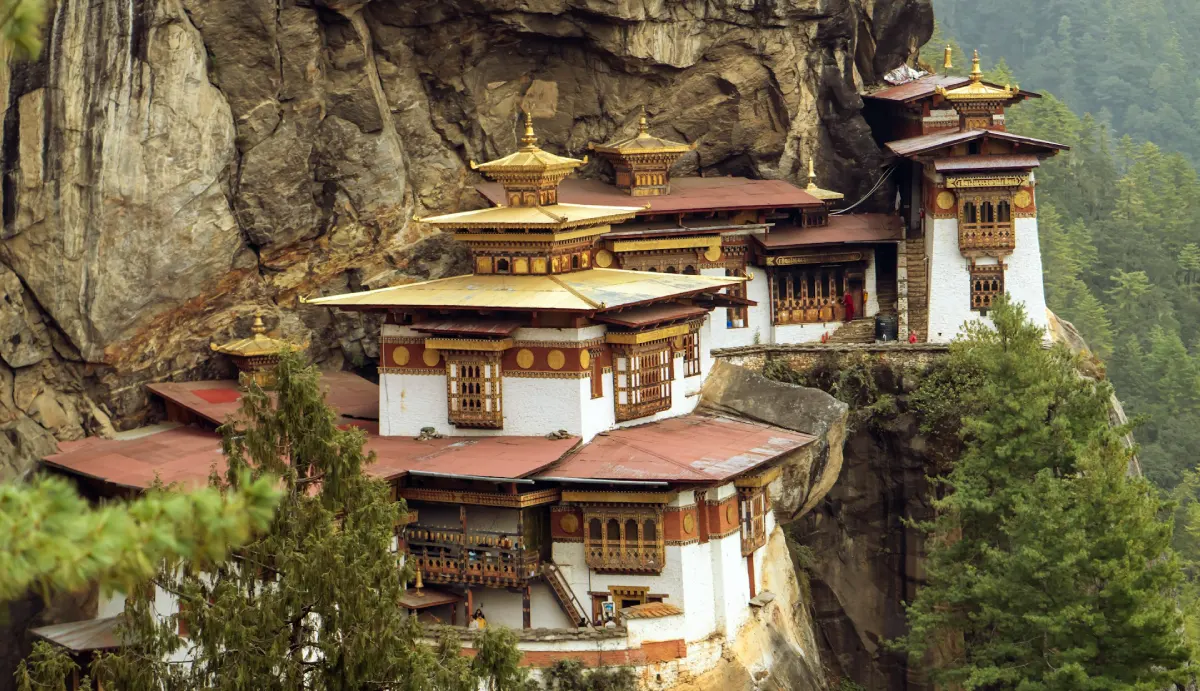
Home to the iconic Tiger’s Nest Monastery, Paro Valley is the gateway to Bhutan and a must-visit destination. The monastery is perched dramatically on a cliff and offers breathtaking views.
2. Thimphu
The capital city combines modern development with traditional culture. Visitors can explore markets, monasteries, and cultural landmarks.
3. Punakha Dzong
One of the most beautiful fortresses in Bhutan, Punakha Dzong sits at the confluence of two rivers and is an architectural masterpiece.
4. Phobjikha Valley
A peaceful glacial valley known for its natural beauty and as the winter home of black-necked cranes.
5. Bumthang Valley
Considered the spiritual heart of Bhutan, this region is rich in temples, monasteries, and sacred sites.
- Ideal for cultural exploration and scenic beauty
- Offers both spiritual and adventure experiences
- Perfect for photography and nature lovers
- Rich in heritage and traditions
Best Time to Visit Bhutan
Choosing the right time to visit Bhutan can significantly enhance your travel experience. The country experiences four distinct seasons, each offering unique advantages.
Spring (March to May) is known for blooming flowers and pleasant weather, making it ideal for trekking and sightseeing. Autumn (September to November) offers clear skies and vibrant festivals, making it the most popular season.
Winter provides a quieter and more peaceful experience, while summer brings lush greenery with occasional rainfall.
- Spring offers blooming landscapes and trekking opportunities
- Autumn provides clear views and cultural festivals
- Winter is peaceful with fewer tourists
- Summer features greenery and fewer crowds
- Festivals mostly occur in spring and autumn
Bhutan Travel Guide for Tourists
Traveling to Bhutan requires careful planning due to its regulated tourism system. Most international travelers must book their trips through licensed tour operators, ensuring a structured and high-quality experience.
Bhutan’s tourism model is designed to maintain sustainability while offering visitors comfort and authenticity. This includes organized itineraries, professional guides, and pre-arranged accommodations.
- Visa required for most travelers
- Trips must be booked through licensed operators
- Sustainable Development Fee (SDF) applies
- Flights available via Paro International Airport
- Overland entry possible from India
Bhutan Travel Cost Breakdown
Bhutan is often perceived as an expensive destination, but it offers excellent value through its all-inclusive travel packages. These packages typically cover accommodation, meals, transportation, and guides.
This pricing model simplifies travel planning and ensures visitors receive high-quality services without hidden costs. Budget options are limited, but group travel can reduce overall expenses.
Luxury packages like the royal bliss tour or bliss tour Kingdom of Bhutan offer premium experiences with personalized services.
- Daily fee includes major travel costs
- Packages include guides and transport
- Luxury and standard options available
- Group travel reduces costs
- Off-season travel offers better deals
Things to Do in Bhutan
Bhutan offers a wide range of activities that blend adventure, spirituality, and cultural immersion. Each experience allows travelers to connect deeply with the country’s traditions and landscapes.
- Trek to Tiger’s Nest Monastery
- Attend traditional festivals
- Visit monasteries and dzongs
- Join meditation and yoga retreats
- Explore valleys, villages, and forests
Bhutan’s Sustainable Tourism Policy
Bhutan’s “High Value, Low Impact” tourism policy is a global model for sustainable travel. It ensures that tourism benefits the country without damaging its environment or culture.
By limiting visitor numbers and maintaining strict regulations, Bhutan avoids over-tourism and preserves its authenticity. This approach also supports local communities and promotes conservation efforts.
- Limits the number of tourists
- Protects natural and cultural resources
- Supports local economy
- Maintains authenticity
- Ensures high-quality visitor experience
Food and Cuisine of Bhutan
Bhutanese cuisine is simple yet flavorful, often characterized by its spiciness and use of fresh local ingredients. Food is an essential part of Bhutanese culture and daily life.
The national dish, Ema Datshi, is a spicy combination of chili and cheese. Red rice is a staple, while momos (dumplings) are widely enjoyed.
Vegetarian options are common, and meals are typically prepared using traditional cooking methods.
- Ema Datshi is the most popular dish
- Red rice is a staple food
- Momos are widely loved
- Dishes are often spicy
- Vegetarian meals are easily available
Why Visit the Kingdom of Bhutan?
Bhutan is not just a destination—it is an experience that leaves a lasting impression. Its peaceful environment, preserved culture, and spiritual depth make it unlike any other place in the world.
Visitors often describe Bhutan as life-changing, offering a sense of calm and clarity rarely found elsewhere. It is perfect for travelers seeking authenticity, wellness, and meaningful experiences.
Whether you choose a standard itinerary or a premium bliss Bhutan tour, Bhutan leaves a lasting emotional impact on travelers.
- Peaceful and uncrowded environment
- Strong cultural preservation
- Ideal for spiritual and wellness retreats
- Stunning Himalayan landscapes
- Authentic and transformative travel experience
Travel Tips for Bhutan
Proper preparation can make your Bhutan journey smooth and enjoyable. Understanding local customs and respecting traditions enhances your overall experience.
- Dress modestly in religious places
- Carry warm clothing for mountain weather
- Respect local traditions and etiquette
- Travel with licensed guides
- Plan your itinerary in advance
Final Thoughts
The Kingdom of Bhutan stands as a rare example of how a nation can embrace modernity while preserving its heritage and environment. Its commitment to Gross National Happiness, sustainable tourism, and cultural preservation makes it a truly unique destination.
For travelers seeking more than just sightseeing, Bhutan offers a journey of self-discovery, peace, and inspiration. Whether you explore ancient monasteries, trek through Himalayan valleys, or simply soak in the serene atmosphere, Bhutan promises an unforgettable experience.
FAQs About the Kingdom of Bhutan
1. Where is the Kingdom of Bhutan located?
The Kingdom of Bhutan is a landlocked Himalayan country in South Asia, bordered by India to the south, east, and west, and China to the north.
2. What is Bhutan famous for?
Bhutan is famous for its Himalayan landscapes, Buddhist culture, monasteries, festivals, and its unique Gross National Happiness philosophy.
3. Do tourists need a visa to visit Bhutan?
Yes, most international tourists need a visa. It must be arranged through a licensed Bhutan tour operator before arrival.
4. What is the best time to visit the Kingdom of Bhutan?
The best time to visit Bhutan is during spring (March–May) and autumn (September–November) when the weather is clear and festivals are held.
5. Why is Bhutan tourism unique?
Bhutan tourism is unique because of its “High Value, Low Impact” policy, which limits mass tourism and promotes sustainable travel.
6. What is Gross National Happiness in Bhutan?
Gross National Happiness is Bhutan’s development philosophy that focuses on well-being, sustainability, culture, and environmental protection instead of GDP.
7. What are the top places to visit in Bhutan?
Top places include Paro Valley, Tiger’s Nest Monastery, Thimphu, Punakha Dzong, Phobjikha Valley, and Bumthang Valley.
8. Is Bhutan a good destination for cultural and spiritual travel?
Yes, Bhutan is one of the best destinations for cultural, spiritual, and wellness travel due to its preserved traditions and peaceful environment.
Related Post
Hand Luggage when traveling to Nepal
 admin
admin 09/09/2026
Chasing Shadows: An Unforgettable Snow Leopard Expedition in Nepal
ntsherpa79
09/09/2026
Annapurna Base Camp Tea Houses: Complete Accommodation Guide
Laxman Bhattarai
09/09/2026
Explore Nepal’s Rich Culture Through Vegan Culinary Adventures
ntsherpa79
24/07/2026