
Manaslu Circuit Trek in Nepal: A Beyond Beauty Guide for 2026
Posted by: ntsherpa79
Nepal offers some of the world’s finest trekking routes, shaped by towering peaks, deep valleys, and living mountain cultures. Among them, the Manaslu Circuit Trek in Nepal stands as a powerful reminder of what Himalayan trekking once felt like—quiet trails, traditional villages, and landscapes that change with every step.
This trek circles Mount Manaslu, the eighth-highest mountain on Earth. It leads trekkers through remote settlements, sacred monasteries, river gorges, forests, and a high mountain pass above 5,000 meters. Unlike crowded routes such as Everest Base Camp or Annapurna Circuit, the Manaslu Circuit keeps its raw character intact.
If you seek a trek that blends challenge, culture, and nature without heavy foot traffic, the Manaslu Circuit Trek in Nepal offers an experience that feels personal and meaningful.
Overview of the Manaslu Circuit Trek in Nepal
The Manaslu Circuit Trek in Nepal lies in the western-central Himalayas and passes through the protected Manaslu Conservation Area. The trek takes its name from Mount Manaslu (8,163 m), which means “Mountain of the Spirit” in Sanskrit.
The full circuit covers around 177 kilometers and usually takes 14 to 18 days. The route follows ancient trade paths once used by Tibetan merchants. These trails connect lowland villages to high Himalayan settlements near the Tibetan border.
As you walk, the landscape changes in clear stages. You start in green valleys with farmland and rivers. Each day brings higher terrain, colder air, and wider mountain views. By the time you reach the upper region, stone houses, prayer flags, and monasteries shape daily life.
This gradual change makes the Manaslu Circuit Trek ideal for trekkers who value both physical challenge and cultural depth.
Why Choose the Manaslu Circuit Trek in Nepal?
Fewer Crowds, More Space
The Manaslu region remains a restricted trekking area. Trekkers must travel with a licensed guide and special permits. These rules limit visitor numbers and protect local culture.
As a result, the trail feels peaceful. You walk for hours without meeting large groups. Villages feel lived-in rather than tourist-focused. This sense of space sets the Manaslu Circuit Trek apart from other popular routes in Nepal.
Strong Cultural Presence
The Manaslu Circuit passes through Gurung and Tibetan-influenced communities. Buddhism shapes daily life. Prayer wheels line the trails. Mani walls mark village entrances. Monasteries serve as centers for learning and ritual.
Local families still follow seasonal farming and animal herding. Many speak Tibetan dialects and follow customs passed down through generations. The trek allows real interaction rather than surface-level observation.
Wide Range of Landscapes
Few treks in Nepal offer this level of variety. The route includes:
- River gorges and waterfalls
- Pine and rhododendron forests
- Alpine meadows
- Glaciers and moraines
- High mountain deserts
Each day presents a new environment, which keeps the journey engaging from start to finish.
Major Highlights of the Manaslu Circuit Trek in Nepal
Larke Pass (5,160 m)
Larke Pass, also known as Larkya La, marks the highest point of the trek. Crossing this pass stands as the main physical challenge of the journey.
Trekkers begin the ascent early in the morning. Snow, ice, and rocky terrain demand steady movement and patience. From the top, the view opens to Manaslu, Himlung Himal, Cheo Himal, and Annapurna II.
Crossing Larke Pass gives a strong sense of achievement. It defines the Manaslu Circuit Trek experience.
Manaslu Conservation Area
The Manaslu Conservation Area protects forests, wildlife, and traditional settlements. The region supports species such as Himalayan tahr, blue sheep, musk deer, and red panda. Snow leopards live in the upper ranges, though sightings remain rare.
Forests of pine, oak, and rhododendron cover the lower sections of the trail. Higher up, alpine vegetation replaces trees. The area reflects a careful balance between nature and human life.
Samagaon and Its Monastery
Samagaon sits near the base of Mount Manaslu and serves as a key acclimatization stop. The village holds one of the most important monasteries in the region, Pungyen Gompa.
Trekkers often spend an extra day here. Many hike to Manaslu Base Camp or explore nearby glacier viewpoints. Others visit the monastery to observe prayer sessions and daily rituals.
Samagaon offers insight into mountain life shaped by faith, climate, and tradition.
Views of Mount Manaslu and Nearby Peaks
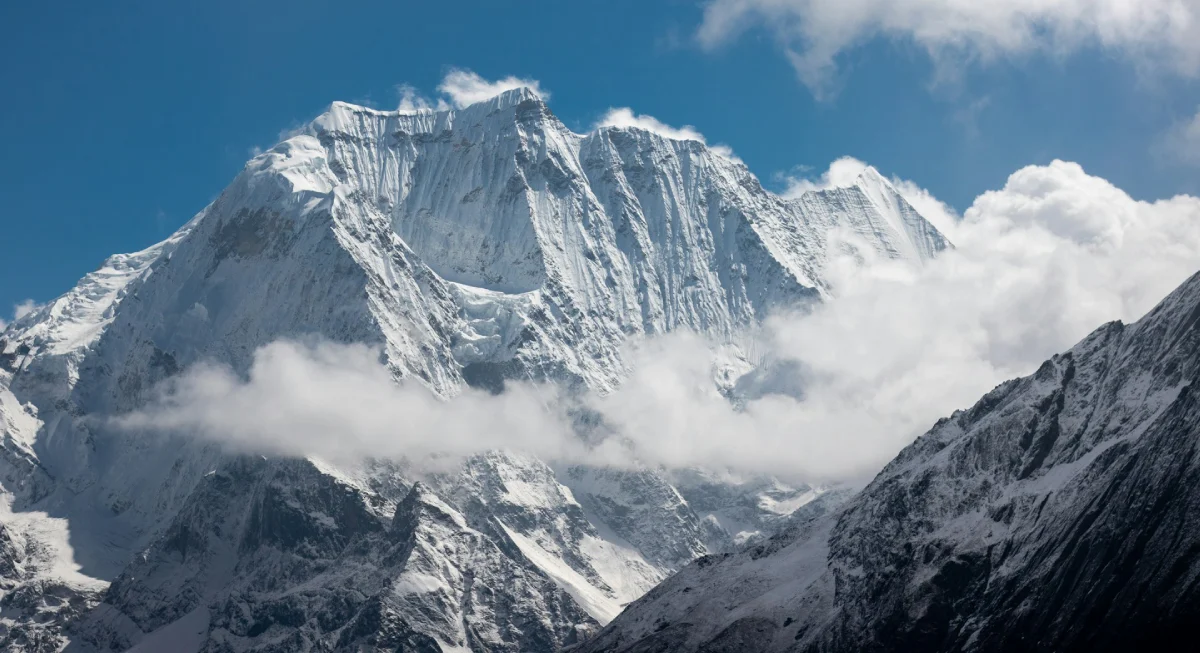
Mount Manaslu dominates the skyline for much of the trek. Clear days reveal its massive ice-covered face rising above valleys and villages.
Other visible peaks include Ganesh Himal, Shringi Himal, and several unnamed summits. Morning light and evening shadows change the mood of the landscape each day.
These views create lasting memories and reward the effort required to reach them.
Manaslu Circuit Trek Route Overview
Starting Point: Soti Khola / Machha Khola
The Manaslu Circuit Trek starts from Soti Khola or Machha Khola, located in the Budhi Gandaki Valley. The trail follows the Budhi Gandaki River through lush hills, waterfalls, and traditional villages.
Trekking Route (Day-by-Day Flow)
The route passes through Jagat, Deng, Namrung, Lho, Samagaon, and Samdo, gradually gaining altitude. An acclimatization day is usually spent in Samagaon. The trek’s highlight is crossing Larkya La Pass (5,106 m), offering stunning Himalayan views, before descending to Bimthang.
Connection to Annapurna Circuit
After Larkya La Pass, the trail joins the Annapurna Circuit at Dharapani, allowing trekkers to experience two iconic trekking routes in one trip.
Ending Point & Return Options
The trek ends at Dharapani or Besisahar. From here, travelers can return to Kathmandu or Pokhara by jeep or bus, or continue trekking on the Annapurna Base Camp.
Best Time for the Manaslu Circuit Trek in Nepal
Spring (March to May)
Spring brings mild temperatures and clear skies. Rhododendron forests bloom across lower elevations. Snow remains on high passes, which adds contrast to the scenery.
This season suits trekkers who enjoy color, wildlife activity, and moderate weather.
Autumn (September to November)
Autumn offers stable weather and sharp mountain visibility. Dry trails and cool air make long trekking days comfortable. This season works best for crossing the Larke Pass without heavy snow.
Most trekkers choose autumn for these reasons.
Winter (December to February)
Winter brings cold temperatures and snow at higher elevations. Larke Pass often becomes inaccessible. Only experienced trekkers with flexible plans should consider this season.
Monsoon (June to August)
Monsoon rains affect the lower regions of the trail. Landslides, muddy paths, and cloud cover reduce trekking comfort. This season does not suit most trekkers.
Permits and Trekking Rules
The Manaslu Circuit lies within a restricted area. Trekkers must secure the following permits:
- Manaslu Restricted Area Permit (RAP)
- Manaslu Conservation Area Permit (MCAP)
- Annapurna Conservation Area Permit (ACAP)
Nepal requires all trekkers to hire a licensed guide for this route. Independent trekking remains prohibited. These rules help protect both visitors and local communities.
Difficulty Level and Preparation
The Manaslu Circuit Trek in Nepal falls under moderate to challenging trekking categories. Trekkers should expect:
- Long walking days
- Steep ascents and descents
- Altitude above 5,000 meters
- Cold nights at higher elevations
Good physical fitness improves comfort and safety. Cardiovascular training, hiking practice, and leg-strength exercises prepare the body for the trail.
Acclimatization days play a key role in preventing altitude sickness. A well-paced itinerary supports a safe experience.
Accommodation and Meals on the Trail
Teahouses provide accommodation along the Manaslu Circuit. These lodges remain simple and clean. Most rooms offer two beds with blankets. Bathrooms are shared in many villages.
Meals focus on energy and warmth. Common dishes include:
- Dal Bhat (rice, lentils, vegetables)
- Noodles and soups
- Tibetan bread
- Momos and eggs
Food options decrease with altitude, but portions remain filling and fresh.
Packing List for Manaslu Circuit Trek
Essential Trekking Gear
- Sturdy trekking boots
- Backpack or daypack
- Trekking poles
- Sleeping bag (suitable for cold temperatures)
- Headlamp or torch
- Refillable water bottle or hydration pack
Clothing for Different Seasons
- Moisture-wicking base layers
- Fleece or down jacket
- Waterproof and windproof jacket
- Trekking pants
- Thermal innerwear
- Warm gloves and a woolen hat
- Wool or thermal socks
Personal Items and Documents
- Toiletries and personal hygiene items
- Sunscreen and lip balm
- Basic medicines and a first-aid kit
- Passport (original and copies)
- Manaslu Restricted Area Permit
- ACAP and MCAP permits
- Travel insurance documents
Optional but Useful Items
- Sunglasses with UV protection
- Gaiters
- Power bank and charging cables
- Camera or action camera
- Energy snacks
- Quick-dry towel
- Earplugs
Final Thoughts: Why the Manaslu Circuit Trek in Nepal Matters
The Manaslu Circuit Trek in Nepal offers more than mountain views. It provides space to walk, time to adapt, and chances to connect with people who live far from modern rush.
This trek rewards patience and effort. It challenges the body while grounding the mind. For trekkers who value authenticity over popularity, the Manaslu Circuit remains one of Nepal’s finest journeys.
If you want a Himalayan trek that feels real, balanced, and deeply rewarding, the Manaslu Circuit Trek deserves your attention.
Explore with Last Frontiers Trekking – 40+ Years Of Mountaineering Excellence!
Frequently Asked Questions
Q: How long does the Manaslu Circuit Trek take?
A: Most trekkers complete the trek in 14 to 18 days.
Q: Is prior trekking experience required?
A: Experience helps, but fit beginners can complete the trek with proper guidance and preparation.
Q: Is altitude sickness a concern?
A: Yes. Slow ascent and acclimatization reduce risk.
Q: Do I need travel insurance?
A: Travel insurance that covers high-altitude trekking and emergency evacuation is essential.
Related Post
Guide to Annapurna Base Camp Elevation: Everything Trekkers Should Know
 Laxman Bhattarai
 18/03/2026
Photography Tours in Nepal: Capture the Himalayas, and Wilderness
Laxman Bhattarai
25/02/2026
Trekking with Kids in the Annapurna Region: Family Adventure in Nepal
ntsherpa79
16/12/2025