
17/03/2025
5 Important Photography Tips for Traveling to Nepal
Posted by: ntsherpa79
Photography has become an essential part of traveling. Every traveler, no matter their age, wants to capture their moments with loved ones, friends, family, pets, and the stunning landscapes they visit. Whether snapping quick phone pictures or waiting for the perfect golden hour shot, photography allows travelers to preserve their adventures.
For those who love to document their journeys, 5 Photography Important Tips When Traveling to Nepal will help you avoid common mistakes and make the most of your photographic experience. Nepal’s breathtaking natural beauty, diverse culture, and rich history make it a paradise for photography enthusiasts, but there are crucial things to consider before capturing your perfect shot.
1. Can I Bring Two Cameras Into Nepal?
Many travel photographers prefer to carry multiple cameras to capture Nepal’s breathtaking landscapes, cultural heritage, and religious sites. However, Nepal’s Customs Department has regulations regarding electronic devices brought into the country. Travelers are generally allowed to bring one camera duty-free, with additional electronic devices subject to customs tax.
Fortunately, travelers can bring one photo camera and one video camera without issues. If you’re carrying two cameras, you can declare one as a video camera to comply with customs regulations. 5 Photography Important Tips When Traveling to Nepal include checking customs guidelines in advance to avoid any inconvenience.
2. Consider the Climate When Traveling With Photography Gear
Nepal’s geography varies from the high Himalayas to the lowland Terai, creating diverse climate conditions that can impact your photography equipment. Cold temperatures in higher altitudes, such as Everest Base Camp or Gokyo Valley, can drain your camera batteries faster.
To keep your batteries functioning efficiently, store them in warm places, such as inside your jacket or along with hand warmers. For those traveling in extreme cold, the 5 Photography Important Tips When Traveling to Nepal suggest packing extra batteries and using insulation techniques to protect your gear.
3. Proper Battery Storage for Cold Climates
Storing batteries properly is essential for photographers traveling in Nepal’s cold regions. Batteries deplete faster in freezing temperatures, making storage a crucial consideration. Keeping hand warmers in your camera bag or storing batteries close to your body can help maintain their longevity.
Hand warmers are easily available in Kathmandu and tourist hubs like Namche Bazaar. When planning your trek, consider these options for keeping your gear functional. The following 5 Photography Important Tips When Traveling to Nepal will ensure you’re prepared for unpredictable weather conditions.
4. Which Camera Should You Bring to Nepal?
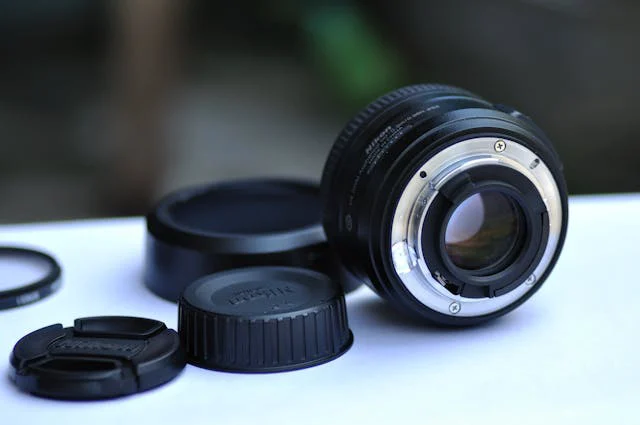
Selecting the right camera is a significant decision for travelers heading to Nepal. If you prefer to travel light, bringing a single high-quality camera with versatile lenses is ideal. Popular camera brands like Canon and Nikon have stores in Kathmandu, making it easier to find accessories and replacement parts if needed.
For those who carry multiple lenses, a lightweight and durable camera bag is essential for trekking. 5 Photography Important Tips When Traveling to Nepal recommend researching camera stores and availability of accessories in Nepal before your trip to ensure you’re well-prepared.
5. Essential Photography Packing List for Nepal
Packing the right photography gear is crucial for capturing Nepal’s stunning landscapes and cultural heritage. Depending on your photography style, you may need extra lenses, filters, and a sturdy tripod. In colder regions, keeping spare batteries is vital, as charging facilities can be limited.
Additionally, rural areas may charge a fee for electricity usage, so carrying a power bank or portable solar charger can be helpful. 5 Photography Important Tips When Traveling to Nepal include being prepared for power shortages, particularly during peak trekking seasons, when charging stations may be in high demand.
Additional Considerations When Photographing in Nepal
Photography in Nepal is not only about capturing mountains and landscapes but also about respecting the country’s rich culture and traditions. While capturing Nepal’s beauty, it’s important to be mindful of local customs and regulations. Many religious sites, temples, and monasteries have strict rules regarding photography, especially inside sacred areas. Always check for signage and respect the rules to avoid any issues. If unsure, asking permission before taking photos, especially of people, is a courteous practice.
When photographing people, especially monks, villagers, or elders, it is polite to ask for permission first. Nepalese people are generally friendly and welcoming, and a simple gesture or smile goes a long way. Hindu Sadhus in Pashupatinath and other cultural figures may allow photos in exchange for a small tip. Being respectful and following local guidelines will enhance your travel experience.
- Always look for “No Photography” signs
- Flash is often forbidden inside temples
- Some sites may require a permit or fee
Respecting these rules is essential while travelling.
Photography is restricted near military areas, government buildings, and border regions, so be cautious in sensitive locations. Drone photography is also heavily regulated in Nepal and requires official permission.
While trekking or exploring nature, practice responsible photography by staying on marked trails and avoiding disturbance to wildlife or local communities. Weather conditions in the Himalayas can change quickly, so always prioritize safety over getting the perfect shot.
Photography During Festivals and Ceremonies
Nepal’s festivals like Dashain, Tihar, Holi, and Buddha Jayanti offer incredible photography opportunities. However, religious rituals should be photographed respectfully.
- Avoid blocking ceremonies or worshippers
- Keep a respectful distance
- Use silent camera modes when possible
Capturing festivals with sensitivity adds authenticity to your travel in Nepal.
Being respectful and culturally aware will help you capture meaningful photos while enjoying a smooth and memorable travel experience in Nepal.
Final Thoughts
Traveling through Nepal offers endless opportunities for photographers. However, being well-prepared will ensure you make the most of your journey. Last Frontiers serve as a guide to help you navigate customs, protect your gear, and make informed packing decisions. With the right preparation, you can focus on capturing the breathtaking beauty of Nepal and creating lifelong memories.
Take only memories, leave only footprints! Join our guided Nepal Photo Tour and capture the Himalayas with an expert photographer.
Related Post
Guide to Annapurna Base Camp Elevation: Everything Trekkers Should Know
 Laxman Bhattarai
 18/03/2026
Photography Tours in Nepal: Capture the Himalayas, and Wilderness
Laxman Bhattarai
25/02/2026
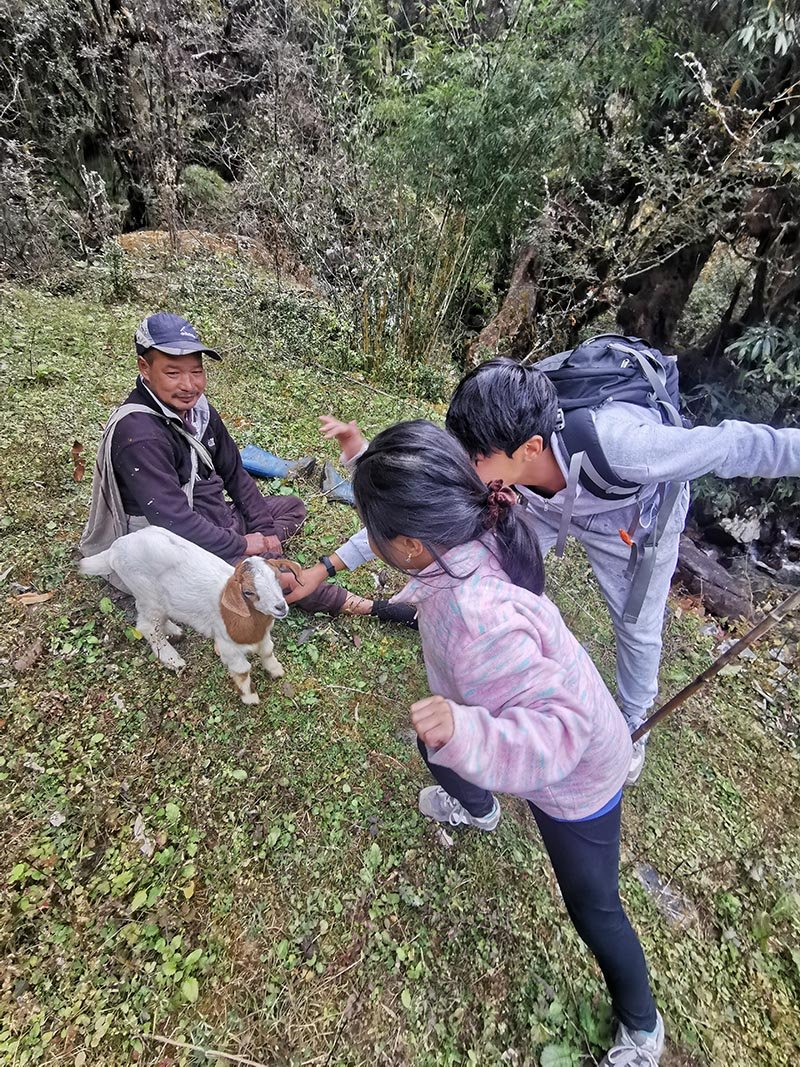
Trekking with Kids in the Annapurna Region: Family Adventure in Nepal
ntsherpa79
16/12/2025