
Photography Tours in Nepal: Capture the Himalayas, and Wilderness
Posted by: Laxman Bhattarai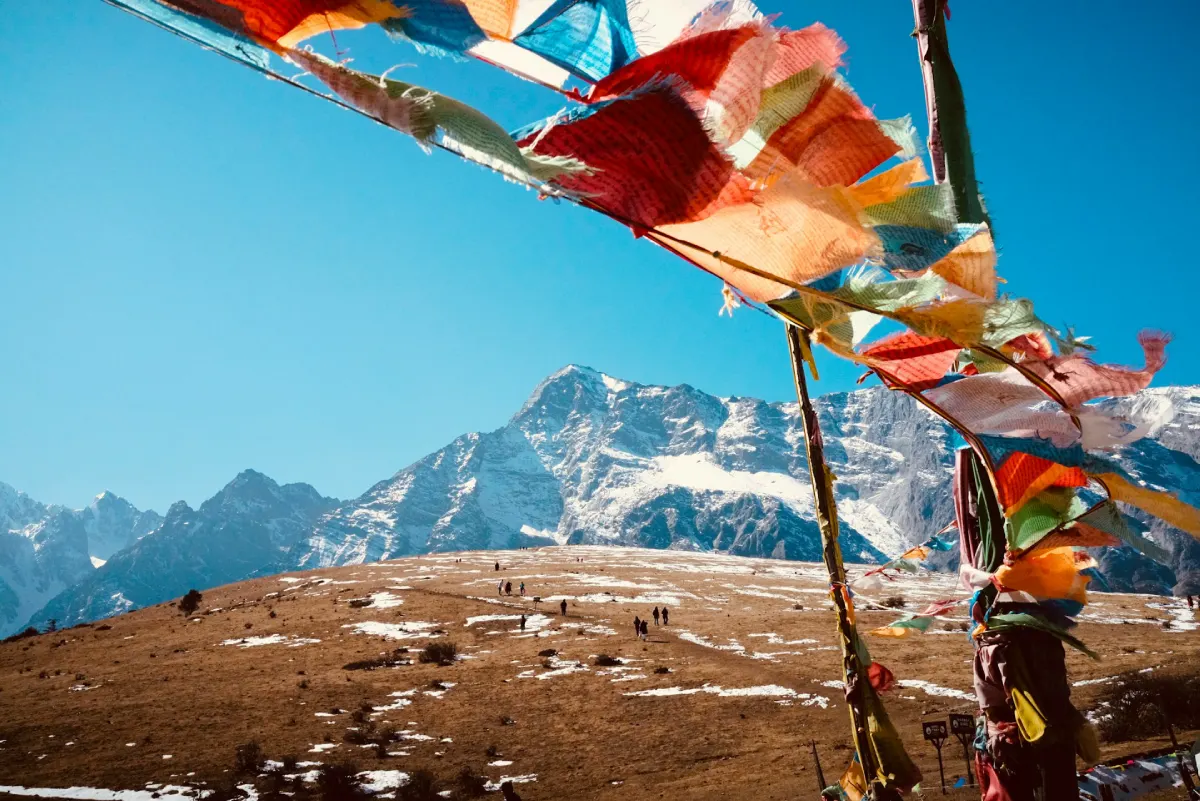
Nepal is not just a trekking paradise — it is a visual masterpiece for photographers. Photography tours in Nepal attract travelers who seek powerful images of the country’s mountains, heritage sites, festivals, and wildlife.
Nepal offers photographers extraordinary scenes, including mountains, temples, festivals, and wildlife, across remarkably diverse landscapes. Travelers choose Nepal photography tours because the country offers a constant visual story in every region.
Guides design thoughtful itineraries that maximize unique photography opportunities, giving travelers access to ideal shooting spots, local insights, and authentic moments. These tours are structured to help photographers make the most of changing light, culture, and daily life, ensuring travelers have memorable and productive photography experiences.
Snowy peaks rise above villages, giving photographers dramatic backgrounds and powerful natural leading lines for compelling compositions. Ancient temples and monasteries showcase intricate architecture while monks and devotees create meaningful human subjects.
Festivals fill streets with music, color, and emotion, allowing photographers to capture dynamic cultural narratives. Wildlife reserves in the lowlands provide chances to photograph rhinos, birds, crocodiles, and elusive tigers.
Changing seasons bring clear skies, blooming forests, fresh snow, and atmospheric conditions for creative photography. Local guides share cultural knowledge and location insights that help photographers plan perfect shooting moments.
Good planning on photography tours ensures travelers visit at the optimal times, pack the right gear, and photograph respectfully within local cultural contexts. These advantages make photography tours in Nepal especially appealing, as they streamline logistics and offer local guidance that enhances photographic outcomes for both hobbyists and professionals.
A well-designed Photography tour allows you to travel slowly, observe deeply, and capture meaningful images rather than rushing from one highlight to another.
Whether you love landscapes, culture, or wildlife, Nepal gives you endless inspiration behind the lens. A photography trip in Nepal rewards curious travelers with learning, adventure, and unforgettable visual memories. Many visitors leave Nepal feeling inspired and eager to return for deeper photographic exploration in the future.
Why Nepal is a Dream Destination for Photography Tours
Nepal packs remarkable diversity into a small geographical area, making it a paradise for traveling photographers. Within just a few hours of travel, you can journey from tropical lowland jungles to high alpine mountains. This rare mix of geography, culture, and climate makes every photography trip in Nepal feel unique and rewarding. Photographers never run out of subjects because the scenery, people, and traditions constantly change from one region to another.
Diverse Landscapes in a Small Country
Very few countries offer such dramatic variety within short travel distances. Nepal’s compact size allows photographers to experience multiple landscapes in a single journey. In one trip, you can photograph:
- Snow-covered Himalayan peaks glowing at sunrise
- Rolling green hills and terraced farms shaped by local communities
- Dense jungles filled with birds, deer, and rare wildlife
- Peaceful lakes, fast-flowing rivers, and hidden waterfalls
- Arid, desert-like landscapes in Mustang with dramatic cliffs and caves
Because of this incredible range, a landscape photography Nepal tour can build a diverse and impressive portfolio. You can capture mountains one day and subtropical wildlife the next. This variety keeps your photography fresh and creatively inspiring.
Cultural & Spiritual Photography Opportunities
Nepal is deeply spiritual and culturally rich, offering meaningful storytelling opportunities. Ancient temples, monasteries, prayer wheels, and colorful prayer flags create strong visual elements. Traditional villages showcase daily life that has remained unchanged for generations.
Photographers often capture farmers working in terraced fields, monks chanting in monasteries, and artisans carving wood or metal. These moments feel genuine because they show real life rather than staged scenes. A cultural photography Nepal experience allows photographers to document living heritage and human connections.
Festivals provide even more excitement. Celebrations like Holi, Tihar, and Mani Rimdu fill streets and monasteries with color, music, and emotion. These events allow photographers to capture portraits, action shots, and cultural expressions in a lively environment.
Light and Seasons for Photography
Light plays a huge role in photography, and Nepal offers exceptional natural lighting conditions. Clean mountain air improves visibility and sharpness, especially at higher elevations. Sunrises and sunsets often paint the sky with golden, pink, and orange tones. Golden hour in the Himalayas can transform simple scenes into breathtaking compositions.
Each season creates a different mood and style:
- Spring: Rhododendron forests bloom, adding vibrant reds and pinks to hillsides
- Autumn: Clear skies reveal sharp mountain views and stable weather
- Winter: Snow adds drama and contrast to landscapes
- Monsoon: Mist, clouds, and lush greenery create moody atmospheres
Because of these seasonal changes, photographers can revisit Nepal many times and still capture new perspectives. This ever-changing beauty makes Nepal one of the most rewarding destinations for photography in the world.
Best Photography Tour Destinations in Nepal
Nepal offers countless photogenic locations, but some destinations stand out especially for photography tours. From the world’s highest mountains to ancient cities and wildlife-rich jungles, each region provides a unique visual experience. These places allow photographers to capture landscapes, culture, and nature in ways few countries can offer.
Everest Region
The Everest region is one of the most iconic photography destinations in the world. Towering peaks, traditional Sherpa villages, glaciers, and peaceful monasteries create powerful compositions. Photographers can capture legendary mountains like Everest, Ama Dablam, and Lhotse under changing light throughout the day. Prayer flags, stone-built villages, and mountain trails also add strong storytelling elements. A Himalayan photography tour in this region combines dramatic scenery with rich cultural encounters.
Upper Mustang
Upper Mustang feels like a different world. Its dry, desert-like terrain, eroded cliffs, and ancient cave dwellings create rare photographic scenes. The region preserves a strong Tibetan-influenced culture, visible in monasteries, chortens, and traditional lifestyles. Photographers are drawn to Mustang’s unique landscapes, mud-brick villages, and centuries-old heritage. Another advantage is fewer crowds, allowing more time and space for creative shooting. Upper Mustang Nepal Photography Tour create a moment that are to be captured and kept forever.
Pokhara & Annapurna
Pokhara is a dream location for landscape photographers. Calm lakes reflect snow-capped mountains, creating mirror-like images during clear mornings. The nearby Annapurna region offers scenic trekking routes with panoramic viewpoints. Popular photography moments include sunrise from Poon Hill, reflections of Annapurna and Machhapuchhre in Phewa Lake, and portraits in Gurung villages. The mix of nature and culture makes this area very rewarding.
Kathmandu Valley Heritage Sites
Kathmandu Valley is a cultural treasure for photographers. The valley hosts several UNESCO World Heritage Sites filled with temples, stupas, and historic courtyards. Locations like Boudhanath Stupa, Swayambhunath, Bhaktapur Durbar Square, and Pashupatinath Temple provide endless subjects. Street life, rituals, and local markets add human interest to photographs. These areas are perfect for cultural and street photography.
Chitwan National Park Wildlife
Chitwan National Park is ideal for wildlife photography. Jungle safaris offer opportunities to photograph one-horned rhinoceroses, deer, monkeys, crocodiles, and many bird species. Lucky visitors may even spot the Royal Bengal tiger. The mix of grasslands, forests, and rivers creates varied natural backgrounds. A wildlife-focused Nepal photo tour in Chitwan adds an exciting and different dimension to any photography portfolio.
Types of Photography Tours in Nepal
Not all photography tours in Nepal follow the same style or focus. Nepal offers several specialized options that match different interests and photography goals. Some photographers chase mountain light, while others focus on wildlife, culture, or a blend of experiences. Choosing the right tour helps photographers use their time effectively and capture stronger, more meaningful images.
Landscape Photography Tours
Landscape photography Nepal tours focus on mountains, lakes, valleys, and dramatic natural scenery. Guides carefully plan shooting times around sunrise and sunset to capture the best natural light. These tours take photographers to scenic viewpoints, remote valleys, and peaceful lakesides.
Key highlights include:
- Sunrise and sunset shoots in the Himalayas
- Mountain reflections in lakes
- Wide valley and hillscape compositions
- Seasonal colors like rhododendron blooms or snowy peaks
- Slow-paced schedules for tripod photography
These tours suit photographers who love nature, grand vistas, and calm environments.
Wildlife Photography Tours
Wildlife photography tours operate mainly in national parks like Chitwan and Bardia. These tours include guided safaris led by experienced naturalists who understand animal behavior. Photographers spend time tracking wildlife and waiting for the right moment.
Common experiences include:
- Jeep safaris through grasslands and forests
- Canoe rides along riverbanks
- Birdwatching sessions
- Tracking rhinos and deer
- Chance sightings of the Royal Bengal tiger
These tours fit photographers who enjoy patience, nature, and capturing animals in action.
Cultural & Festival Photography Tours
Cultural Photography tours focus on Nepal’s traditions, architecture, and daily life. Photographers visit temples, markets, villages, and heritage sites. Festival photography tours center around colorful celebrations full of energy and emotion.
Photographers often capture:
- Portraits of monks, locals, and artisans
- Rituals in temples and monasteries
- Street life in old towns
- Festivals like Holi, Tihar, and Mani Rimdu
- Traditional clothing and cultural details
These tours work best for photographers who enjoy storytelling and human connections.
Trekking + Photography Tours
Trekking and Photography tours combine hiking with creative photography. Travelers walk scenic trails and stop at prime locations for shooting. Guides add flexibility so photographers can wait for good light or weather.
Typical features include:
- Mountain viewpoint stops
- Village and monastery visits
- Sunrise shoots from trekking lodges
- Cultural encounters along trails
- Balanced pace for both trekking and photography
This format creates a rich photography trip to Nepal experience. It suits active travelers who want adventure along with strong photo opportunities.
Best Time for Photography Tours in Nepal
Timing matters in photography. Here’s when Nepal shines most.
Autumn Season (Sept–Nov)
This is the best season. Skies are clear, mountains are sharp, and the weather is stable. Ideal for Himalayan photography.
Spring Season (Mar–May)
Blooming flowers and pleasant weather make this a colorful time. Great for nature and landscape photography.
Winter Photography (Dec–Feb)
Winter offers snow and dramatic mountain views. Fewer tourists mean peaceful shoots, though temperatures are cold.
What to Expect on a Photography Tour
A dedicated Nepal photography workshop or tour is very different from a normal tour.
Professional Guidance
Most tours are led by experienced photographers or trained guides who understand light, composition, and timing.
They help with:
- Location planning
- Shooting techniques
- Creative perspectives
Small Group Experience
Photography tours usually keep small group sizes. This ensures better mobility and personalized support.
Flexible Itineraries
Unlike regular tours, photography tours allow flexibility. If the light is perfect, the group may stay longer at a location.
Why You Need a Professional Photography Guide for Photography Tours
Many travelers carry good cameras, but great photography requires more than equipment. A professional photography guide helps you plan, position, and capture moments that casual travelers often miss. On dedicated photography tours, their knowledge can significantly improve your results and overall experience.
A key benefit is location expertise: Professional guides know the best viewpoints, hidden spots, and ideal angles. They take you beyond crowded tourist areas and help you find fresh perspectives. This local insight saves time and increases your chances of capturing unique images.
Lighting is another major factor: A photography guide understands how light changes in mountains, cities, and jungles. They plan shoots around sunrise, sunset, and golden hour so you work with the best natural light. They also adjust plans when the weather changes, which is very important in places like Nepal.
A good guide also helps improve your skills: They share tips on composition, framing, and camera settings. Even simple advice can help you shoot sharper landscapes or stronger portraits.
Cultural understanding matters too: Guides help you interact respectfully with locals, ask permission for portraits, and understand traditions. This creates more authentic and comfortable photography moments.
Finally, guides handle logistics like permits, timing, and safe routes. You focus on creativity while they manage the details. In the end, a professional photography guide helps you return home with better photos and richer memories.
Photography Tour Additional Information
Packing Checklist for Photographers
- Camera body + backup
- Wide-angle & zoom lenses
- Tripod
- Extra batteries
- Memory cards
- Cleaning kit
- Weather-protective bag
Golden Hour Timing in the Himalayas
Golden hour usually occurs shortly after sunrise and before sunset. In the mountains, light changes quickly, so planning is key.
Photography Permits & Drone Rules in Nepal
Drone use requires special permits in Nepal. Always check regulations beforehand. Some heritage sites also restrict photography.
Final Thoughts
Photography Tours in Nepal isn’t just about snapping pictures — it’s about telling stories, observing patiently, and connecting with the world around you. Every moment here offers something meaningful to capture, whether it’s the calm of a monastery, the vibrant life of a village, or the awe-inspiring peaks of the Himalayas.
Joining a Himalayan photography tour, exploring cultural traditions, or venturing into the wildlife-rich jungles gives you a chance to see Nepal through a photographer’s lens in a way few other places can offer. Each day brings new light, colors, and experiences that turn ordinary moments into unforgettable images.
For anyone who loves travel and photography, Nepal is a destination that inspires creativity, adventure, and a deeper appreciation for nature and culture. Every frame you capture here tells a story you’ll remember long after the trip ends.
Last Frontiers also offer Ladakh Photography Tour that offers stunning views best suited for Beginner Photographers
FAQs
What is the best month for photography in Nepal?
October and November are widely considered the best due to clear skies and stable weather.
Do I need to be a professional photographer?
Not at all. Many tours welcome beginners. Guides often provide tips and learning support.
What camera gear should I bring?
A DSLR or mirrorless camera, wide-angle and telephoto lenses, extra batteries, memory cards, and a tripod are recommended.
Are photography tours suitable for beginners?
Yes. Many Nepal photography workshops are designed for all skill levels.
How physically demanding are these tours?
It depends on the itinerary. Some involve light walking, while trekking photography tours require moderate fitness.
Related Post
Guide to Annapurna Base Camp Elevation: Everything Trekkers Should Know
 Laxman Bhattarai
 18/03/2026
Trekking with Kids in the Annapurna Region: Family Adventure in Nepal
ntsherpa79
16/12/2025

5 Most Beautiful Treks in Nepal | The Best Trekking Guide Ever
ntsherpa79
15/10/2025