
Exploring the Rich Flavors of Coffee in Nepal: A Journey
Posted by: Laxman Bhattarai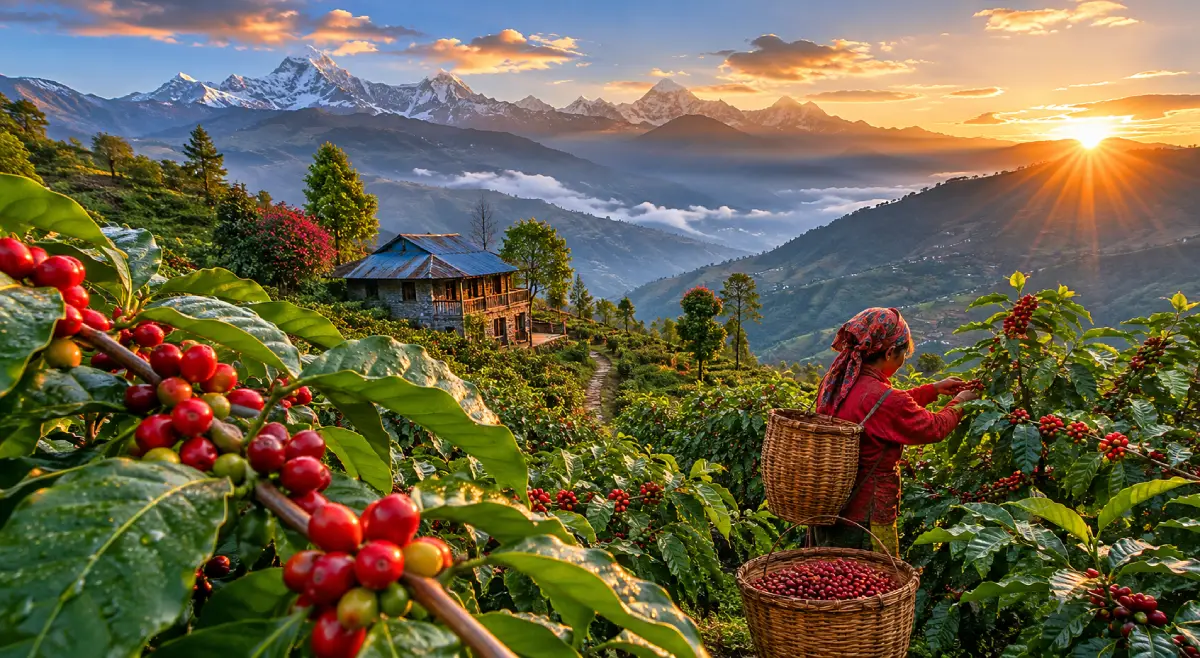
The History of Coffee Cultivation in Nepal
The story of coffee in Nepal is relatively recent but deeply fascinating. It wasn’t until the late 20th century that coffee cultivation began to take root in this Himalayan nation. The first coffee plant was introduced to Nepal in the 1930s by a hermit named Hira Giri, who brought seeds from Myanmar. However, it took several decades for the practice to gain popularity and for the coffee industry to start flourishing.
In the 1980s, with the support of the Nepalese government and various international organizations, coffee farming began to expand. The government recognized the potential of coffee as a cash crop that could improve the livelihoods of rural farmers. Training programs and technical assistance were provided to farmers, which led to a gradual increase in coffee production. Today, coffee is grown in over 40 districts across Nepal, contributing significantly to the agricultural sector.
The journey from introduction to widespread cultivation has not been without challenges. Farmers had to adapt to new agricultural practices, and there were initial struggles with quality control and market access. However, perseverance and dedication have paid off. Nepalese coffee is now gaining international recognition for its unique flavors and sustainable farming practices. The history of coffee in Nepal is a testament to the resilience of its people and their ability to embrace new opportunities.
Unique Varieties of Coffee Grown in Nepal
Nepalese coffee is celebrated for its distinct varieties, each offering a unique flavor profile influenced by the diverse climates and altitudes of the region. The most common variety grown in Nepal is Arabica, known for its smooth, mild flavor and aromatic qualities. The Bourbon and Typica sub-varieties of Arabica are particularly popular among Nepalese farmers. These beans are known for their sweet, fruity notes and balanced acidity, making them highly sought after by coffee connoisseurs.
In addition to Arabica, some farmers have also started experimenting with other varieties such as Caturra and Catuai. These varieties are known for their disease resistance and high yield, making them suitable for Nepal’s diverse growing conditions. The introduction of these varieties has added to the richness and diversity of Nepalese coffee, offering consumers a wider range of flavors to explore.
The unique terroir of Nepal plays a significant role in shaping the flavor profiles of its coffee. The combination of high altitudes, fertile soil, and a favorable climate creates ideal conditions for coffee cultivation. Each region imparts its own distinct characteristics to the beans, resulting in a rich tapestry of flavors that reflect the diverse landscapes of Nepal. From the fruity and floral notes of coffee grown in the eastern hills to the chocolatey and nutty flavors of beans from the western regions, Nepalese coffee offers a sensory journey like no other.
The Coffee Growing Regions of Nepal
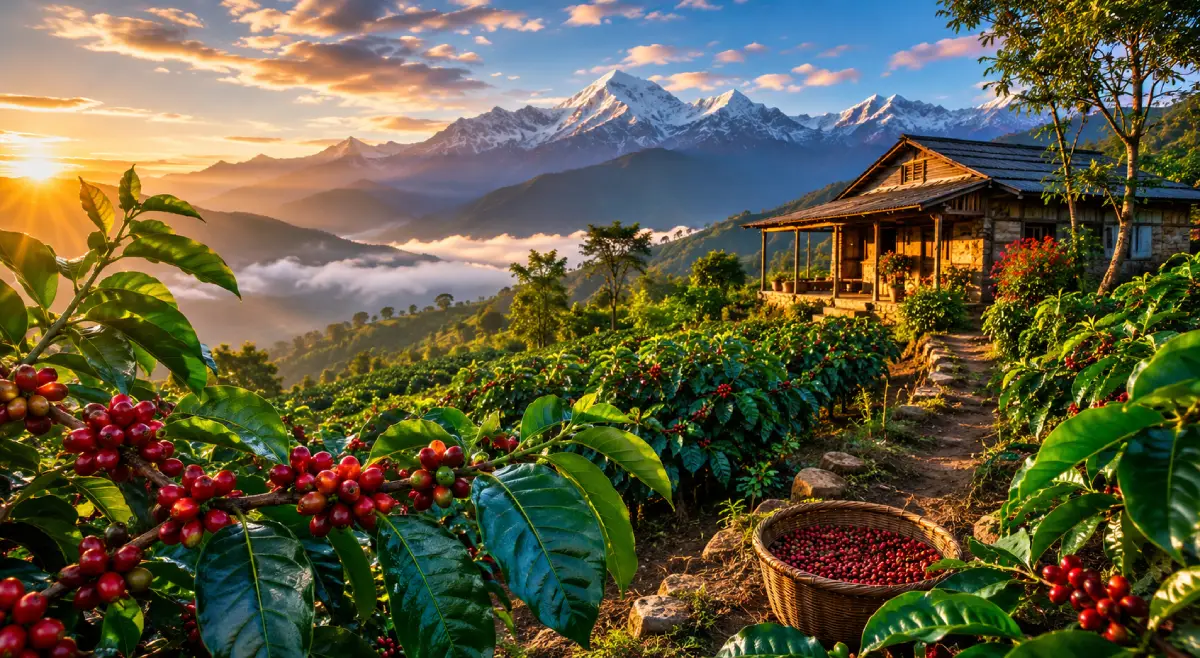
The coffee-growing regions of Nepal are as diverse as the country itself, each offering unique characteristics that contribute to the overall flavor profile of the beans. The eastern region, particularly the districts of Ilam and Panchthar, is renowned for producing high-quality coffee. The cool climate and high altitudes of these regions create ideal conditions for growing Arabica beans, resulting in coffee with bright acidity and floral notes.
Moving towards the central region, the districts of Kavrepalanchok and Sindhupalchok are notable for their coffee production. These areas benefit from a moderate climate and fertile soil, which contribute to the rich, full-bodied flavors of the coffee. The beans from this region often exhibit hints of chocolate and nuts, making them a favorite among those who prefer a more robust cup of coffee.
In the western region, districts like Kaski and Syangja are emerging as significant coffee producers. The unique microclimates of these areas, combined with traditional farming practices, result in coffee with complex flavor profiles. Beans from the western region often have a balanced acidity and a smooth, creamy texture, with subtle notes of fruit and spices. Each of these regions adds to the rich mosaic of Nepalese coffee, offering a diverse range of flavors for coffee lovers to explore.
The Role of Climate and Altitude in Flavor Profiles
The climate and altitude of Nepal play a crucial role in shaping the flavor profiles of its coffee. The high altitudes, ranging from 800 to 1,600 meters above sea level, create ideal conditions for growing Arabica beans. At these elevations, the cooler temperatures slow down the maturation process of the coffee cherries, allowing them to develop more complex flavors. The result is a coffee that is rich in aroma, with bright acidity and a full-bodied taste.
The diverse climates of Nepal also contribute to the unique characteristics of its coffee. In the eastern regions, the cool and moist climate promotes the development of floral and fruity notes in the beans. In contrast, the central and western regions, with their moderate temperatures and distinct dry and wet seasons, produce coffee with richer, more robust flavors. The interplay between climate and altitude creates a wide range of flavor profiles, allowing consumers to experience the full spectrum of Nepalese coffee.
The soil composition in different regions further enhances the flavor of Nepalese coffee. The volcanic soil found in many coffee-growing areas is rich in minerals, which contribute to the overall health of the coffee plants and the quality of the beans. The combination of fertile soil, favorable climate, and high altitude creates a unique terroir that is reflected in the exceptional flavor profiles of Nepalese coffee. This harmonious blend of natural elements makes Nepalese coffee a true delight for the senses.
Traditional Coffee Brewing Methods in Nepal
Traditional coffee brewing methods in Nepal add an extra layer of richness to the overall coffee experience. One of the most popular methods is the use of the “Nepalese filter,” a simple yet effective tool that allows for the slow extraction of coffee. This method involves placing ground coffee in a metal filter and pouring hot water over it. The water slowly drips through the coffee grounds, extracting the flavors and aromas, resulting in a smooth and well-balanced cup of coffee.
Another traditional method is the “Jholunge,” a unique technique that involves boiling coffee grounds with water in a pot. The mixture is brought to a boil and then simmered for several minutes, allowing the flavors to meld together. The coffee is then strained and served, often with a touch of sugar or milk. This method produces a strong, robust coffee with a rich, full-bodied taste, perfect for those who enjoy a more intense coffee experience.
In addition to these methods, the “Chiya” culture in Nepal also influences how coffee is brewed and enjoyed. Chiya, a traditional spiced tea, is a staple in Nepalese households, and its preparation techniques are often applied to coffee as well. Spices such as cardamom, cinnamon, and cloves are added to the coffee, creating a unique blend of flavors that is both aromatic and invigorating. These traditional brewing methods highlight the creativity and resourcefulness of Nepalese coffee culture, offering a unique and memorable coffee experience.
Coffee Culture and Community in Nepal
The coffee culture in Nepal is a vibrant and growing phenomenon, deeply rooted in community and tradition. Coffee shops and cafes have become popular gathering places for people of all ages, providing a space for socializing, relaxation, and creativity. In urban areas like Kathmandu and Pokhara, the coffee scene is thriving, with numerous cafes offering a wide range of coffee beverages, from classic espresso to innovative coffee concoctions.
In rural areas, coffee farming has become an important part of the community’s livelihood. Coffee cooperatives have been established to support small-scale farmers, providing them with resources, training, and market access. These cooperatives play a crucial role in promoting sustainable farming practices and improving the quality of life for farmers and their families. The sense of community and collaboration is evident in every aspect of coffee production, from cultivation to processing and marketing.
Coffee festivals and events are also becoming increasingly popular in Nepal, celebrating the rich coffee culture and bringing together coffee enthusiasts from all over the country. These events provide an opportunity for people to learn about different coffee varieties, brewing methods, and the importance of sustainable farming practices. They also serve as a platform for local farmers and producers to showcase their products and connect with consumers. The coffee culture in Nepal is a testament to the country’s rich heritage and the strong sense of community that binds its people together.
Sustainable Coffee Farming Practices in Nepal
Sustainability is at the heart of coffee farming practices in Nepal. With a deep respect for nature and a commitment to preserving the environment, many Nepalese coffee farmers have embraced organic and sustainable farming methods. These practices not only ensure the long-term health of the land but also produce high-quality coffee that is free from harmful chemicals and pesticides.
One of the key sustainable practices is shade-grown coffee, where coffee plants are cultivated under the canopy of native trees. This method mimics the natural forest ecosystem, promoting biodiversity and providing habitat for various species of birds and insects. Shade-grown coffee also helps to maintain soil fertility and reduce the need for chemical fertilizers. By preserving the natural environment, farmers can produce coffee that is both environmentally friendly and rich in flavor.
Another important aspect of sustainable coffee farming in Nepal is the use of water-efficient methods for processing coffee cherries. Traditional wet processing methods require large amounts of water, which can be a challenge in regions with limited water resources. To address this, many farmers have adopted dry processing techniques, where coffee cherries are dried in the sun before being hulled. This method not only conserves water but also enhances the natural sweetness and complexity of the coffee beans.
Fair trade practices also play a vital role in Nepal’s growing coffee industry. By ensuring fair prices for coffee producers, these practices improve rural livelihoods, support local communities, and encourage environmentally responsible farming. Fair trade certification strengthens both economic sustainability and social equity in coffee-growing regions. The increasing popularity of Coffee trip Nepal experiences is helping bring global attention to Nepalese coffee farmers and their commitment to producing world-class sustainable coffee while preserving the natural beauty of the Himalayas.
How to Experience Nepalese Coffee: Tours and Tastings
For those looking to immerse themselves in the rich coffee culture of Nepal, coffee tours and tastings offer an unforgettable experience. These tours provide a unique opportunity to visit coffee farms, meet local farmers, and learn about the entire coffee production process, from cultivation to brewing. Whether you are a seasoned coffee enthusiast or a curious traveler, a coffee tour in Nepal is a must-do activity.
One of the best places to start your coffee journey is in the eastern region of Nepal, where you can visit the picturesque coffee farms of Ilam and Panchthar. These tours often include guided walks through the coffee plantations, where you can see the coffee plants up close and learn about the farming techniques used by local farmers. You will also have the chance to participate in coffee picking and processing activities, gaining a hands-on understanding of the labor and care that goes into producing each cup of coffee.
In addition to farm tours, many coffee shops and cafes in urban areas like Kathmandu and Pokhara offer coffee tastings and workshops. These sessions are led by experienced baristas and coffee experts who will guide you through the tasting process, teaching you how to identify different flavor notes and appreciate the unique characteristics of Nepalese coffee. You will also have the opportunity to try various brewing methods and discover new ways to enjoy your coffee.
For a truly immersive experience, consider staying at a coffee farm homestay, where you can live with a local farming family and experience their daily life. These homestays provide a unique insight into the traditional farming practices and the strong sense of community that defines rural Nepal. By staying at a coffee farm, you will not only enjoy freshly brewed coffee each morning but also gain a deeper appreciation for the hard work and dedication that goes into producing each cup.
Conclusion: The Future of Coffee in Nepal
The future of coffee in Nepal is bright, with immense potential for growth and innovation. As global demand for specialty coffee continues to rise, Nepalese coffee is poised to make a significant impact on the international stage. The unique flavors and sustainable farming practices of Nepalese coffee have already garnered attention from coffee enthusiasts and industry professionals worldwide, paving the way for greater recognition and market opportunities.
One of the key factors driving the future of Nepalese coffee is the commitment to quality and sustainability. As more farmers adopt organic and sustainable farming methods, the quality of Nepalese coffee is expected to continue improving. This focus on sustainability also aligns with the growing consumer demand for environmentally friendly and ethically produced coffee, positioning Nepalese coffee as a premium product in the global market.
Investment in infrastructure and technology will also play a crucial role in the future development of the coffee industry in Nepal. Improved processing facilities, access to modern farming equipment, and better transportation networks will enhance the efficiency and quality of coffee production. Additionally, continued support from the government and international organizations will be essential in providing training and resources to farmers, ensuring the long-term success of the coffee industry.
At the heart of Nepal’s coffee future are the hardworking farmers and passionate coffee communities that continue to preserve traditional farming values while embracing innovation. Their dedication is helping Nepal build a strong identity in the global coffee sector. As coffee tourism also continues to grow, many travelers are combining coffee farm experiences with Himalayan adventures. For visitors looking to explore both Nepal’s rich coffee culture and breathtaking mountain landscapes, Last Frontier Trekking serves as an ideal trekking partner for unforgettable journeys across Nepal.
Related Post

Explore Nepal’s Rich Culture Through Vegan Culinary Adventures
 ntsherpa79
 24/07/2026
Langtang valley trek Guide
Laxman Bhattarai
22/07/2026
Annapurna I Expedition: Everything You Need to Know
Laxman Bhattarai
15/07/2026
20 Best Places to Visit in Bhutan: Ultimate Travel Guide for First-Time Visitors
Laxman Bhattarai
24/06/2026