
20 Best Places to Visit in Bhutan: Ultimate Travel Guide for First-Time Visitors
Posted by: Laxman Bhattarai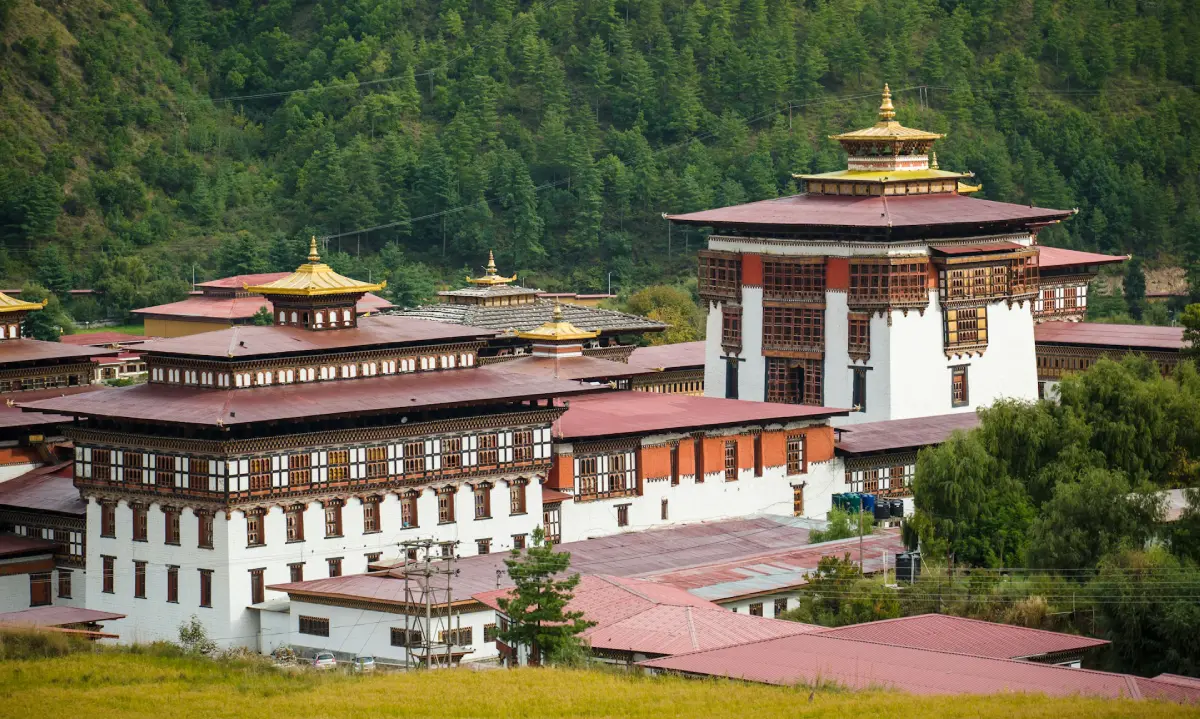
Bhutan, often called the Land of the Thunder Dragon, is one of the world’s most fascinating Places to Visit in Bhutan offering an unforgettable journey through one of the world’s most enchanting Himalayan destinations. Known as the Land of the Thunder Dragon, Bhutan is a country where ancient traditions, breathtaking landscapes, and spiritual heritage come together to create a truly unique travel experience.
Nestled in the eastern Himalayas between India and China, this small kingdom is home to snow-capped mountains, peaceful monasteries, lush valleys, and vibrant Buddhist culture.
What sets Bhutan apart from other destinations is its philosophy of Gross National Happiness, which focuses on the well-being of its people and the preservation of its environment and cultural heritage. This approach has helped Bhutan maintain its pristine natural beauty and traditional way of life.
Whether you want to hike to the iconic Tiger’s Nest Monastery, explore majestic dzongs, experience colorful festivals, or discover hidden valleys, Bhutan has something for every traveler. From the cultural attractions of Thimphu and Paro to the scenic landscapes of Punakha and Phobjikha Valley, this guide explores the best places to visit in Bhutan and helps you plan an unforgettable adventure in this remarkable Himalayan kingdom.
Why Visit Bhutan?
Bhutan is unlike any other destination in the world. This small Himalayan kingdom of Bhutan attracts travelers with its stunning landscapes, rich culture, and peaceful atmosphere. Towering snow-capped mountains, green valleys, and pristine forests create some of the most beautiful scenery in Asia.
The country is deeply rooted in Buddhism, and visitors can explore ancient monasteries, majestic dzongs, and sacred temples that have preserved Bhutan’s traditions for centuries. The warm hospitality of the Bhutanese people makes every journey even more memorable.
Bhutan also stands out for its commitment to sustainable tourism and environmental conservation. The country carefully protects its natural and cultural heritage, allowing travelers to experience an authentic and unspoiled destination.
Throughout the year, colorful Bhutan festivals fill the valleys with traditional dances, music, and religious ceremonies, offering visitors a unique cultural experience. Adventure lovers can enjoy trekking through the Himalayas, hiking to remote monasteries, and exploring hidden villages.
Unlike many crowded tourist destinations, Bhutan offers peace, tranquility, and a slower pace of life. Whether you seek adventure, spirituality, or cultural discovery, Blissful Tour Bhutan provides the perfect combination of nature, history, and authentic experiences that leave a lasting impression.
1. Paro Valley
Paro Valley is one of the most beautiful places to visit in Bhutan and serves as the gateway to this Himalayan kingdom. Home to Bhutan’s only international airport, it is often the first destination travelers experience. Surrounded by lush green forests, terraced fields, and snow-capped mountains, Paro offers a perfect combination of natural beauty and cultural heritage.
The valley is dotted with ancient monasteries, traditional Bhutanese houses, and historic landmarks that reflect the country’s rich history and Buddhist traditions. Its peaceful atmosphere and scenic landscapes make it a favorite destination for visitors seeking both adventure and relaxation.
Things to Do in Paro Valley:
- Hike to the iconic Tiger’s Nest Monastery (Paro Taktsang).
- Explore the historic Rinpung Dzong.
- Visit the National Museum of Bhutan.
- Walk through traditional villages and local markets.
- Experience authentic Bhutanese cuisine and culture.
- Enjoy breathtaking views of the Himalayan landscapes.
2. Tiger’s Nest Monastery (Paro Taktsang)
Tiger’s Nest Monastery, locally known as Paro Taktsang, is Bhutan’s most iconic and sacred landmark. Perched dramatically on a cliff more than 3,000 meters above sea level, the monastery offers breathtaking views of the Paro Valley and surrounding Himalayan landscapes.
According to legend, Guru Rinpoche flew to this site on the back of a tigress and meditated in a cave, making it one of the most important Buddhist pilgrimage sites in Bhutan. Reaching the monastery requires a scenic hike that takes around five to six hours round trip, but the incredible views and spiritual atmosphere make every step worthwhile.
Why Visit Tiger’s Nest Monastery?
- Experience one of the world’s most iconic monasteries.
- Enjoy spectacular mountain and valley views.
- Discover the spiritual and cultural significance of the site.
- Take part in one of Bhutan’s most rewarding hiking experiences.
- Capture stunning photographs of the monastery perched on the cliff.
3. Thimphu
Thimphu, the capital city of Bhutan, beautifully blends modern development with centuries-old traditions. Unlike most capitals around the world, Thimphu has no traffic lights and maintains a peaceful and relaxed atmosphere. Surrounded by green mountains, the city is filled with monasteries, cultural landmarks, and traditional Bhutanese architecture. It is also the country’s political, cultural, and economic center. Visitors can explore historic sites, experience local festivals, shop in colorful markets, and enjoy authentic Bhutanese cuisine. The unique combination of tradition and modernity makes Thimphu one of the most fascinating places to visit in Bhutan.
Top Attractions in Thimphu:
- Visit the giant Buddha Dordenma Statue overlooking the city.
- Explore the sacred Memorial Chorten.
- Discover the historic Tashichho Dzong.
- Learn about Bhutanese traditions at the Folk Heritage Museum.
- Experience local life at the vibrant Weekend Market.
- Taste traditional Bhutanese dishes and interact with friendly locals.
4. Punakha Valley
Punakha Valley is one of the most beautiful destinations in Bhutan, known for its pleasant climate, fertile rice fields, and breathtaking mountain scenery. Located at a lower elevation than Thimphu and Paro, the valley enjoys warmer temperatures throughout the year. Punakha served as the capital of Bhutan until 1955 and remains an important cultural and historical center. The valley is famous for its scenic landscapes, traditional villages, and rivers that offer exciting adventure activities. During spring, blooming purple jacaranda trees add even more charm to the already picturesque surroundings, making Punakha a favorite destination for photographers and nature lovers.
Things to Do in Punakha Valley:
- Visit the magnificent Punakha Dzong.
- Enjoy white-water rafting on the Pho Chhu and Mo Chhu rivers.
- Explore traditional Bhutanese villages.
- Walk through beautiful rice terraces.
- Cross the famous Punakha Suspension Bridge.
- Visit during spring to see the blooming jacaranda trees.
5. Punakha Dzong
Punakha Dzong, also known as the “Palace of Great Happiness,” is one of the most impressive and beautiful fortresses in Bhutan. Situated at the confluence of the Pho Chhu and Mo Chhu rivers, this historic monastery-fortress is regarded as one of the finest examples of traditional Bhutanese architecture. Built in 1637, the dzong has played a significant role in Bhutan’s religious and political history and continues to host important national ceremonies. Surrounded by scenic rivers and blooming jacaranda trees in spring, the fortress offers a truly breathtaking setting. The dzong becomes even more vibrant during the annual Punakha Tshechu festival, when locals gather to celebrate with colorful masked dances and religious ceremonies.
Highlights of Punakha Dzong:
- Explore the magnificent courtyards and temples.
- Admire the intricate murals and traditional architecture.
- Learn about its rich historical and cultural importance.
- Enjoy the stunning riverside location and scenic views.
- Experience the colorful Punakha Tshechu festival.
6. Dochula Pass
Situated at an elevation of more than 3,000 meters, Dochula Pass is one of the most scenic mountain passes in Bhutan. Located on the road between Thimphu and Punakha, the pass is famous for its 108 memorial stupas, known as the Druk Wangyal Chortens, which were built in honor of Bhutanese soldiers. Surrounded by pine forests and prayer flags, Dochula Pass offers a peaceful atmosphere and some of the best panoramic views in the country. On clear days, visitors can enjoy spectacular views of the snow-capped Himalayan peaks stretching across the horizon. The pass is also a popular spot for photography, especially during sunrise when the mountains glow in golden light.
Why Visit Dochula Pass?
- Enjoy breathtaking panoramic views of the Himalayas.
- Photograph the beautiful Druk Wangyal Chortens.
- Experience a peaceful and spiritual mountain setting.
- Stop at one of Bhutan’s most scenic viewpoints between Thimphu and Punakha.
- Witness stunning sunrise and mountain vistas on clear days.
7. Phobjikha Valley
Phobjikha Valley is one of the most beautiful and tranquil destinations in Bhutan. This stunning U-shaped glacial valley is best known as the winter home of the endangered black-necked cranes, which migrate from Tibet every year. Surrounded by rolling meadows, dense pine forests, and traditional Bhutanese villages, the valley offers breathtaking scenery and a peaceful atmosphere. Its untouched natural beauty makes it a paradise for nature lovers, birdwatchers, and photographers. Visitors can also experience the unique culture and simple lifestyle of the local communities while enjoying some of Bhutan’s most spectacular landscapes.
Things to Do in Phobjikha Valley:
- Watch the endangered black-necked cranes during the winter season.
- Enjoy peaceful nature walks and scenic hiking trails.
- Capture stunning photographs of the valley and its wildlife.
- Explore traditional villages and experience local culture.
- Relax and admire one of Bhutan’s most unspoiled natural landscapes.
8. Gangtey Monastery
Perched on a hill overlooking the beautiful Phobjikha Valley, Gangtey Monastery is one of the most important and oldest Buddhist monasteries in Bhutan. Founded in the 17th century, the monastery belongs to the Nyingma school of Buddhism and serves as an important spiritual center for local communities. Surrounded by breathtaking mountain scenery and peaceful landscapes, Gangtey Monastery offers visitors a unique opportunity to experience Bhutan’s deep spiritual traditions. The monastery’s traditional Bhutanese architecture, colorful prayer halls, and serene atmosphere make it a must-visit destination for travelers seeking peace and cultural experiences.
Highlights of Gangtey Monastery:
- Enjoy stunning panoramic views of Phobjikha Valley.
- Experience a peaceful and spiritual atmosphere.
- Admire traditional Bhutanese architecture and artwork.
- Observe the daily life and rituals of Buddhist monks.
- Discover one of Bhutan’s most tranquil and sacred places.
9. Bumthang Valley
Bumthang Valley is often called the cultural and spiritual heartland of Bhutan because it is home to some of the country’s oldest temples, monasteries, and sacred sites. The region consists of four beautiful valleys surrounded by forests, farmlands, and traditional villages, offering visitors a glimpse into rural Bhutanese life. Rich in history and Buddhist traditions, Bumthang has long been an important center for religion and culture. The peaceful landscapes and ancient monasteries make it one of the most rewarding destinations for travelers seeking authentic cultural experiences.
Top Attractions in Bumthang Valley:
- Visit the ancient Jambay Lhakhang, one of Bhutan’s oldest temples.
- Explore the sacred Kurjey Lhakhang monastery.
- Discover the historic Tamshing Monastery.
- Walk through traditional villages and experience local culture.
- Enjoy the serene beauty of Bhutan’s spiritual heartland.
10. Jakar
akar is the main town of Bumthang and serves as the gateway to many of Bhutan’s most important religious and cultural sites. Often called the “Little Switzerland of Bhutan” because of its wide valley and scenic landscapes, Jakar offers a peaceful atmosphere and an authentic glimpse into traditional Bhutanese life. The town is surrounded by ancient monasteries, fertile farmlands, and beautiful mountain scenery, making it an ideal destination for culture and nature lovers. Visitors can explore historic temples, interact with friendly locals, and enjoy the region’s unique traditions and cuisine.
Why Visit Jakar?
- Explore ancient monasteries and sacred temples.
- Experience traditional Bhutanese culture and rural life.
- Enjoy stunning mountain and valley scenery.
- Discover local handicrafts and traditional cuisine.
- Relax in a peaceful town with a slower pace of life.
11. Haa Valley
Haa Valley is one of Bhutan’s hidden gems and remains one of the country’s least-visited destinations. Surrounded by forested mountains and traditional villages, the valley offers a peaceful escape away from the crowds. Its untouched landscapes, rich cultural heritage, and warm hospitality make it an ideal destination for travelers looking for authentic experiences. Haa Valley is also home to ancient temples, local farms, and scenic trails that provide a glimpse into rural Bhutanese life. The valley’s tranquil atmosphere and natural beauty make it a perfect destination for nature lovers and adventure seekers.
Why Visit Haa Valley?
- Explore traditional Bhutanese villages and local culture.
- Enjoy excellent hiking and trekking opportunities.
- Discover breathtaking mountain scenery and peaceful landscapes.
- Experience authentic rural life and unique traditions.
- Visit one of Bhutan’s most beautiful off-the-beaten-path destinations.
12. Chele La Pass
Chele La Pass is the highest motorable pass in Bhutan, standing at an altitude of about 3,988 meters above sea level. Located between Paro and Haa Valley, the pass is famous for its breathtaking mountain scenery and colorful prayer flags fluttering in the wind. On clear days, visitors can enjoy panoramic views of Mount Jomolhari, snow-capped Himalayan peaks, deep valleys, and dense forests stretching across the horizon. The peaceful atmosphere and dramatic landscapes make Chele La Pass one of the most scenic destinations in Bhutan. It is also a favorite spot for photographers and nature lovers seeking unforgettable Himalayan views.
Why Visit Chele La Pass?
- Enjoy spectacular panoramic views of the Himalayas.
- See the majestic Mount Jomolhari on clear days.
- Experience Bhutan’s highest motorable mountain pass.
- Capture stunning photographs of mountains and valleys.
- Admire the colorful prayer flags and peaceful surroundings.
13. Wangdue Phodrang
Wangdue Phodrang is one of Bhutan’s most picturesque regions, known for its scenic beauty, traditional villages, and rich cultural heritage. Surrounded by rolling hills, fertile valleys, and rivers, the district offers visitors an authentic glimpse into rural Bhutanese life. The region is famous for its traditional houses, terraced farmlands, and local handicrafts, particularly bamboo products and handwoven textiles. Its peaceful atmosphere and stunning landscapes make it an ideal destination for travelers who want to explore beyond Bhutan’s popular tourist spots and experience the country’s natural and cultural charm.
Things to See in Wangdue Phodrang:
- Visit the historic Wangdue Phodrang Dzong.
- Explore charming riverside villages and traditional settlements.
- Admire the beautiful agricultural landscapes and rice terraces.
- Discover local handicrafts and traditional Bhutanese arts.
- Experience the authentic lifestyle and culture of rural Bhutan.
14. Trongsa
Trongsa holds immense historical importance because it was once the seat of power for Bhutan’s royal family.
Main Attractions
- Trongsa Dzong
- Ta Dzong Museum
- Scenic mountain views
The town also serves as a gateway between western and central Bhutan.
15. Royal Manas National Park
Royal Manas National Park is Bhutan’s oldest protected area and one of the country’s most important biodiversity hotspots. Located in southern Bhutan, the park is home to dense forests, rivers, and a remarkable variety of wildlife. It is considered a paradise for nature lovers, birdwatchers, and wildlife photographers because of its rich ecosystems and untouched natural beauty. The park protects several endangered species and offers visitors a chance to experience Bhutan’s incredible biodiversity in a pristine environment.
Wildlife Found in Royal Manas National Park:
- Spot the majestic Bengal tiger in its natural habitat.
- Observe Asian elephants roaming through the forests.
- See the rare and endangered golden langur.
- Look for elusive leopards and other wild mammals.
- Discover hundreds of colorful bird species and unique plant life.
- Enjoy one of the best wildlife experiences in Bhutan.
16. Jigme Dorji National Park
Jigme Dorji National Park is one of the largest and most spectacular protected areas in Bhutan. Covering a vast area of mountains, forests, and alpine meadows, the park is known for its dramatic Himalayan landscapes and rich biodiversity. It is home to several rare species, including the snow leopard, Himalayan blue sheep, and takin, Bhutan’s national animal. The park also contains pristine rivers, glaciers, and remote valleys that attract trekkers and adventure enthusiasts from around the world. Its untouched wilderness and scenic beauty make it one of the best destinations in Bhutan for outdoor adventures and nature exploration.
Why Visit Jigme Dorji National Park?
- Explore breathtaking high Himalayan landscapes.
- Trek through remote and unspoiled mountain trails.
- Discover diverse wildlife and rare animal species.
- Admire stunning glaciers, rivers, and alpine scenery.
- Experience one of Bhutan’s top destinations for adventure travel.
17. Lhuentse
Lhuentse is one of Bhutan’s most remote and culturally fascinating districts, known for its traditional weaving culture and breathtaking mountain scenery. Located in eastern Bhutan, the region offers visitors a chance to experience authentic rural life away from the country’s popular tourist routes. Lhuentse is particularly famous for its intricate handwoven textiles, which are created using centuries-old techniques and are considered among the finest in Bhutan. Surrounded by rugged mountains, deep valleys, and traditional settlements, the district provides a peaceful and enriching travel experience for those seeking cultural immersion and untouched natural beauty.
Things to Do in Lhuentse:
- Explore traditional villages and interact with local communities.
- Learn about the art of handwoven textiles and traditional weaving techniques.
- Experience authentic Bhutanese culture and rural lifestyles.
- Enjoy the region’s spectacular mountain landscapes and peaceful atmosphere.
- Discover one of Bhutan’s least explored and most rewarding destinations.
18. Mongar
Mongar is often called the gateway to eastern Bhutan and serves as an important cultural and commercial center in the region. Perched on a hillside and surrounded by lush forests and mountains, the town offers visitors a different perspective on Bhutan compared to the western valleys. The journey to Mongar is an adventure in itself, with winding mountain roads and spectacular scenery along the way. The town is known for its traditional Bhutanese architecture, vibrant local markets, and friendly atmosphere. Its unique blend of natural beauty and cultural heritage makes Mongar an excellent destination for travelers looking to explore a lesser-known side of Bhutan.
Why Visit Mongar?
- Drive through scenic mountain roads with breathtaking views.
- Admire traditional Bhutanese architecture and local culture.
- Explore colorful local markets and interact with residents.
- Enjoy beautiful landscapes and peaceful surroundings.
- Experience the unique charm of eastern Bhutan.
19. Trashigang
Trashigang
Trashigang is the largest district in eastern Bhutan and one of the country’s most important cultural centers. Known as the gateway to eastern Bhutan, the region is surrounded by dramatic mountains, deep valleys, and traditional villages that have preserved their unique customs and way of life. Trashigang offers visitors an authentic glimpse into Bhutanese culture through its ancient monasteries, colorful festivals, and warm local hospitality. The district is less visited than western Bhutan, making it an ideal destination for travelers seeking peaceful landscapes and genuine cultural experiences.
Top Experiences in Trashigang:
- Explore traditional villages and learn about local customs.
- Visit ancient monasteries and sacred religious sites.
- Enjoy breathtaking mountain scenery and scenic viewpoints.
- Experience vibrant local festivals and cultural celebrations.
- Discover the authentic charm of eastern Bhutan and its traditions.
20. Samdrup Jongkhar
Samdrup Jongkhar is a vibrant town located in southeastern Bhutan near the Indian border. As one of the country’s main entry points, the town serves as an important commercial and cultural hub connecting Bhutan with eastern India. Unlike the high mountain valleys of western Bhutan, Samdrup Jongkhar offers a unique blend of cultures, warmer climates, and diverse landscapes. The town’s bustling markets, friendly atmosphere, and multicultural communities provide visitors with a different perspective on Bhutanese life. It also acts as the gateway to eastern Bhutan, making it an ideal starting point for exploring the country’s lesser-known regions.
Why Visit Samdrup Jongkhar?
- Experience the region’s rich cultural diversity.
- Explore vibrant local markets and traditional shops.
- Enjoy beautiful landscapes and scenic surroundings.
- Discover a unique side of Bhutan influenced by different cultures.
- Use the town as a gateway to eastern Bhutan and its hidden attractions.
Hidden Gems in Bhutan
| Destination | Highlights | Why Visit |
| Ura Valley | Traditional stone houses, peaceful villages, and scenic landscapes | Experience authentic rural Bhutan and enjoy the valley’s serene atmosphere and cultural heritage. |
| Merak and Sakteng | Remote highland communities with unique customs and traditions | Discover the distinct culture of the Brokpa people and explore one of Bhutan’s most isolated regions. |
| Khoma Village | Famous for traditional handwoven textiles and weaving traditions | Learn about Bhutan’s finest textile craftsmanship and experience local village life. |
| Nabji-Korphu Trek | Beautiful forests, traditional villages, and rich biodiversity | Enjoy an off-the-beaten-path trekking experience through pristine landscapes and authentic communities. |
These hidden gems offer travelers a chance to explore the less-visited side of Bhutan and experience the country’s rich culture, stunning scenery, and traditional way of life.
Best Time to Visit Bhutan
Bhutan is a year-round destination, and each season offers a unique travel experience. Spring and autumn are considered the best times to visit because of their pleasant weather, clear mountain views, and ideal conditions for sightseeing and trekking. Summer brings lush green landscapes and fewer tourists, while winter offers peaceful surroundings and opportunities to witness rare wildlife, including the famous black-necked cranes. Choosing the best season depends on your interests, whether you enjoy festivals, trekking, photography, or cultural experiences.
| Season | Months | Highlights | Best For |
| Spring | March – May | Pleasant temperatures, blooming rhododendrons, clear mountain views | Trekking, photography, nature lovers |
| Summer | June – August | Green landscapes, fewer crowds, occasional rainfall | Budget travelers and lush scenery |
| Autumn | September – November | Clear skies, major festivals, excellent weather | Sightseeing, cultural tours, trekking |
| Winter | December – February | Snow-covered mountains, black-necked crane season, peaceful atmosphere | Birdwatching, photography, quiet travel |
Spring and autumn are generally considered the best seasons to visit Bhutan because they offer the perfect combination of pleasant weather, spectacular scenery, and cultural experiences.
Travel Tips for Visiting Bhutan
- Book your trip in advance.
- Respect local customs and traditions.
- Dress modestly when visiting monasteries.
- Carry warm clothing.
- Drink plenty of water at higher elevations.
- Hire licensed guides when required.
- Purchase travel insurance.
Responsible tourism helps preserve Bhutan’s unique culture and environment.
Frequently Asked Questions
What is the most beautiful place in Bhutan?
Many travelers consider Tiger’s Nest Monastery and Phobjikha Valley the most beautiful places in Bhutan.
Is 7 days enough to explore Bhutan?
Yes. Seven days are sufficient to visit Paro, Thimphu, Punakha, and nearby attractions.
Which month is best for visiting Bhutan?
October and April are considered among the best months due to excellent weather and beautiful scenery.
Is Bhutan expensive to visit?
Bhutan can be more expensive than neighboring countries due to its sustainable tourism policies, but the experiences are exceptional.
What is Bhutan famous for?
Bhutan is famous for its monasteries, Himalayan landscapes, unique culture, and Gross National Happiness philosophy.
Conclusion
Bhutan is a destination that leaves a lasting impression on every traveler. From the dramatic cliffs of Tiger’s Nest Monastery to the serene landscapes of Phobjikha Valley and the cultural treasures of Bumthang, the country offers experiences unlike anywhere else in the world.
Whether you are looking for adventure, spirituality, or natural beauty, these places to visit in Bhutan provide the perfect introduction to this magical Himalayan kingdom.
Start planning your journey today and discover why Bhutan continues to be one of Asia’s most extraordinary travel destinations.
Related Post
Hand Luggage when traveling to Nepal
 admin
admin 09/09/2026
Chasing Shadows: An Unforgettable Snow Leopard Expedition in Nepal
ntsherpa79
09/09/2026
Annapurna Base Camp Tea Houses: Complete Accommodation Guide
Laxman Bhattarai
09/09/2026
Explore Nepal’s Rich Culture Through Vegan Culinary Adventures
ntsherpa79
24/07/2026