
Annapurna Base Camp Tea Houses: Complete Accommodation Guide
Posted by: Laxman Bhattarai
Annapurna Base Camp Tea House accommodation makes the famous Annapurna Base Camp trek easier, more comfortable, and more enjoyable. These simple mountain lodges provide trekkers with a warm place to sleep, fresh meals, hot drinks, and a chance to experience the hospitality of local communities.
The Annapurna Base Camp trek is one of Nepal’s most popular Himalayan journeys, combining dramatic mountain scenery, traditional villages, lush forests, and high-altitude landscapes. One of the reasons this trek is accessible to many travelers is the availability of tea houses along the route.
Annapurna Base Camp tea houses provide simple but comfortable accommodation, warm meals, and a chance to experience local mountain hospitality. You do not need to carry camping equipment for a standard trek, as most nights can be spent in local lodges.
Whether you are planning a classic Annapurna Base Camp trek, a short Annapurna trek, or considering the Annapurna Base Camp without a guide, understanding tea-house accommodation can help you prepare better.
What Are Annapurna Base Camp Tea Houses?
Annapurna Base Camp tea houses are small mountain lodges that provide accommodation, meals, drinks, and basic facilities for trekkers along the trail. Most are locally owned and managed by families who have been serving trekkers for many years. Staying in these lodges allows you to experience the local lifestyle while keeping your trekking arrangements simple.
Tea houses usually have twin-sharing rooms with two single beds, mattresses, pillows, and blankets. Some lodges offer private rooms, especially in lower villages such as Ghandruk and Chhomrong. However, facilities become simpler as you move toward higher elevations. Near Annapurna Base Camp, accommodation options are more limited, and rooms can fill quickly during the busy trekking seasons.
Bathrooms are commonly shared, although some lower-altitude tea houses may have attached bathrooms. Hot showers are available at many lodges for an additional charge, but availability can vary at higher elevations. Wi-Fi and electricity may also be available, but they are not always reliable, and charging electronic devices often costs extra.
One major advantage of tea-house trekking is that you can carry less equipment. You do not need to bring a tent, cooking stove, fuel, or large quantities of food. A sleeping bag is still recommended because nights can be cold at higher elevations.
Tea houses also serve as important resting and social spaces. After a long day of walking, trekkers can enjoy dal bhat, noodles, momos, soup, tea, coffee, and other simple meals while meeting fellow travelers.
For a comfortable trek, carry enough cash, basic toiletries, a power bank, reusable water bottles, and a warm sleeping bag. During peak seasons, arriving at your overnight destination early or arranging accommodation through an Annapurna trekking guide can help secure a room.
Where Can You Find Tea Houses on the Annapurna Base Camp Trek?
Tea houses are available along most of the established Annapurna Base Camp trek route, providing trekkers with convenient places to rest, eat, and spend the night at different stages of the journey.
Common overnight stops include:
| Trekking Stop | Approx. Elevation | Tea Houses |
| Ghandruk | 1,940 m | Available |
| Chhomrong | 2,170 m | Available |
| Sinuwa | 2,360 m | Available |
| Bamboo | 2,310 m | Available |
| Dovan | 2,600 m | Available |
| Deurali | 3,200 m | Available |
| Machhapuchhre Base Camp | 3,700 m | Available |
| Annapurna Base Camp | 4,130 m | Available |
Facilities can vary between individual lodges and may change with the season. At higher elevations, accommodation demand can also be greater during the busiest trekking months.
What Are the Rooms Like?
Tea-house rooms on the Annapurna route are generally simple rather than luxurious.
A typical room may include:
- Two single beds
- Mattress and pillow
- Blanket
- Small table or shelf
- Basic lighting
- Shared or attached bathroom, depending on the lodge
Most tea-house rooms are designed with trekkers’ basic needs in mind, offering a simple and comfortable place to relax after a long day of walking. Rooms typically include single beds, mattresses, pillows, and blankets, while some lodges may provide additional blankets or private rooms depending on availability. The focus is on providing a warm and quiet place to recover before the next day’s trek.
At lower elevations, tea houses generally offer more accommodation choices and better facilities, including private rooms, attached bathrooms, hot showers, dining areas, Wi-Fi, and charging facilities. As you climb toward Annapurna Base Camp, the number of lodges decreases and the facilities become more basic due to the remote location and difficulty of transporting supplies. Rooms near Machhapuchhre Base Camp and Annapurna Base Camp are often limited, so trekkers should be prepared for simpler accommodation and shared facilities, particularly during the busy trekking seasons.
Do Tea Houses Have Private Rooms?
Many tea houses offer private rooms, especially in lower villages such as Ghandruk and Chhomrong.
However, private rooms are not guaranteed everywhere. At higher elevations and during peak trekking seasons, rooms can fill quickly.
If having a private room is important to you, booking through an Annapurna trekking guide or trekking agency can make accommodation planning easier.
Do Annapurna Tea Houses Have Bathrooms?
Yes, tea houses provide bathroom facilities, but the standard varies depending on elevation and location.
At lower elevations, some lodges have relatively modern bathrooms, while higher villages often have basic shared facilities.
You may encounter:
- Western-style toilets
- Squat toilets
- Shared bathrooms
- Attached bathrooms in some rooms
- Basic showers
Hot showers are commonly available for an additional charge, although availability can become more limited as you climb higher.
Is Hot Water Available?
Hot showers are available at many tea houses, but they usually cost extra.
The price tends to increase with elevation because fuel and other supplies are harder to transport into the mountains.
At some higher lodges, hot water may be heated using gas, solar systems, electricity, or other local methods.
It is a good idea to carry:
- Quick-drying towel
- Biodegradable soap
- Wet wipes
- Hand sanitizer
- Toilet paper
These small items can make tea-house stays much easier.
What Food Is Available at Annapurna Base Camp Tea Houses?
Food is an essential part of the Annapurna Base Camp tea house experience, providing the energy you need for long trekking days. Most tea houses serve a mix of traditional Nepali meals and familiar international dishes, although menus can become smaller and prices higher as you gain elevation.
Common meals include:
- Dal bhat
- Vegetable curry
- Fried rice
- Fried noodles
- Momos
- Pasta
- Soup
- Tibetan bread
- Pancakes
- Eggs
- Porridge
- Toast
- Potatoes
Dal Bhat: A Trekker’s Favorite
Dal bhat is particularly popular because it combines rice, lentils, vegetables, curry, and pickles to provide a filling balance of carbohydrates and protein. Many lodges offer additional servings, depending on availability.
At higher elevations, it is best to choose freshly cooked, warm, and easy-to-digest meals and avoid excessive alcohol. Staying well hydrated is equally important, so drink plenty of water and consider tea, soup, or other warm fluids. If you have specific dietary requirements, inform your trekking agency or tea house in advance.
Can You Get Tea and Coffee?
Yes. Tea and coffee are widely available at Annapurna Base Camp tea houses, making them popular choices for warming up and relaxing after a long day on the trail. Most lodges offer several hot drinks, although the selection can become more limited as you reach higher elevations.
Popular choices include:
- Black tea
- Milk tea
- Ginger tea
- Lemon tea
- Hot chocolate
- Coffee
- Masala tea
Ginger and lemon tea are especially popular among trekkers because they are refreshing and comforting in the cold mountain environment. Hot chocolate is also a favorite after reaching higher camps.
Prices generally increase with elevation because fuel and supplies are more difficult to transport into remote areas. Tea houses may offer drinks throughout the day, but availability can depend on weather, electricity, and local resources.
Staying hydrated is important during the Annapurna Base Camp trek, so combine hot drinks with plenty of safe drinking water. Avoid relying heavily on caffeinated drinks, especially if you are experiencing altitude-related discomfort.
Is Wi-Fi Available in Annapurna Tea Houses?
Some tea houses along the Annapurna Base Camp trek offer Wi-Fi, particularly in the lower sections where electricity and communication services are more accessible.
However, the connection can become slower and less reliable as you gain elevation, and some higher-altitude lodges may have limited or no internet access. Trekkers should therefore avoid relying on continuous connectivity and inform family or friends that communication may be interrupted.
For important calls or messages, carrying a local SIM card, power bank, and offline maps is recommended. While limited internet access may seem inconvenient, it can also make the trek more enjoyable by allowing you to disconnect from daily online activities and focus on the spectacular mountains, peaceful villages, local culture, and overall Himalayan experience.
Do Tea Houses Have Electricity?
Most established tea houses along the Annapurna Base Camp trek have access to electricity, but power availability can vary depending on the location, weather, and altitude.
In lower villages, electricity is generally more reliable, while tea houses at higher elevations may experience limited power or occasional outages. Charging electronic devices is also commonly available for an additional fee, particularly at remote lodges.
If you plan to use your phone for navigation, photography, communication, or emergency situations, it is important to manage your battery carefully. Carry a high-capacity power bank, charging cables, and a universal adapter. Extra batteries can also be useful for cameras and other devices.
To conserve power, download offline maps and important travel information before starting the trek, reduce screen brightness, and avoid unnecessary use of mobile data. A reliable power bank can provide valuable backup when electricity is unavailable or charging facilities are occupied.

How Much Do Annapurna Base Camp Tea Houses Cost?
Tea-house prices vary depending on the location, season, room type, and facilities.
Generally, accommodation itself can be relatively inexpensive compared with hotels in Kathmandu or Pokhara. However, the total daily cost increases when you include meals, drinks, showers, charging, Wi-Fi, and other services.
A reasonable trekking budget should therefore consider more than just the room price.
Typical Tea-House Expenses
| Expense | What to Expect |
| Room | Basic and affordable |
| Meals | Usually priced separately |
| Hot shower | Usually extra |
| Wi-Fi | May cost extra |
| Device charging | May cost extra |
| Drinks | More expensive at higher elevations |
Prices can change, so your trekking agency or guide can provide current estimates before departure.
Can You Book Tea Houses in Advance?
For most of the route, tea-house accommodation does not always need to be booked far in advance.
However, reservations can be helpful during busy trekking periods.
The Annapurna best time to trek is generally considered spring and autumn because of favorable weather and mountain visibility. These periods can also bring higher numbers of trekkers.
During peak periods, arriving early at your overnight destination or arranging accommodation through a guide can reduce stress.
What Is the Best Time to Stay in Annapurna Tea Houses?
The best seasons for the Annapurna Base Camp trek are generally:
Spring: March to May
Spring brings warmer temperatures, blooming rhododendrons, and generally good trekking conditions.
It is one of the most beautiful periods for the Annapurna region.
Autumn: September to November
Autumn is another excellent period. The monsoon usually clears, skies become clearer, and mountain views are often spectacular.
Because autumn is popular, tea houses can become busy.
Winter: December to February
Winter brings colder temperatures and possible snowfall at higher elevations.
Some accommodation may operate with reduced facilities depending on weather and local conditions.
Monsoon: June to August
The monsoon season brings frequent rain, cloudy conditions, slippery trails, and possible landslides.
Lower sections can also become wet and muddy.
For most trekkers, spring and autumn remain the preferred seasons.
What Is the Annapurna Base Camp Elevation?
The Annapurna Base Camp elevation is approximately 4,130 meters (13,550 feet) above sea level.
Because you spend the night at high altitude, acclimatization and a sensible trekking pace are important.
The gradual rise through villages and forests gives your body time to adjust, but altitude-related symptoms can still occur.
Common symptoms may include:
- Headache
- Tiredness
- Loss of appetite
- Dizziness
- Difficulty sleeping
If symptoms become serious or worsen, descending to a lower elevation is the safest response.
How Long Is the Annapurna Base Camp Trek?
The Annapurna Base Camp Trek duration commonly ranges from around 7 to 14 days, depending on the starting point, transportation, itinerary, walking pace, and side trips.
A standard itinerary may include:
Day 1: Drive to the trekking starting point
Day 2–3: Trek through traditional villages
Day 4–6: Trek toward Machhapuchhre Base Camp and Annapurna Base Camp
Day 7–10: Descend through the Annapurna foothills
Final day: Return to Pokhara
The itinerary can be shortened by using road transportation where available.
Can You Do a Short Annapurna Trek?
Yes. A short Annapurna trek is possible for travelers with limited time.
Instead of following a longer route, you can design an itinerary around the most scenic and accessible sections.
For example, a shorter Annapurna Base Camp itinerary can use transportation to reduce walking days while still reaching the sanctuary and base camp.
However, shortening the itinerary should not mean rushing the altitude gain.
Your itinerary should balance:
Walking distance + elevation gain + rest + weather + transportation
A good trekking company can customize the route according to your available time and experience.
Can You Do Annapurna Base Camp Without a Guide?
The question of Annapurna Base Camp without a guide is common among independent trekkers. The route is well established and has many tea houses, making it easier to navigate than some remote Himalayan treks.
However, trekking independently has disadvantages.
A guide can help with:
- Route navigation
- Tea-house arrangements
- Local communication
- Weather changes
- Altitude awareness
- Emergency situations
- Cultural information
- Itinerary adjustments
For first-time Himalayan trekkers, traveling with an experienced guide can make the journey more comfortable and organized.
Before traveling, always check the latest local trekking regulations and permit requirements because rules can change.
What Should You Bring for Tea-House Accommodation?
Tea-house trekking means you do not need to carry camping equipment, cooking gear, or a large amount of food. However, you should pack carefully because accommodation becomes more basic as you approach Annapurna Base Camp. A well-planned packing list will help you stay warm, comfortable, and prepared for changing mountain weather.
Clothing
Temperatures can change quickly during the trek, especially at higher elevations. Wear layers so you can easily adjust your clothing while walking and resting.
- Moisture-wicking base layers
- Fleece or warm mid-layer
- Down or insulated jacket
- Waterproof and windproof jacket
- Comfortable trekking trousers
- Warm thermal underwear
- Several pairs of trekking socks
- Warm gloves or fleece gloves
- Woolen or insulated hat
- Lightweight sun hat or cap
Your outer layer should protect you from wind and rain, while the inner layers help keep your body warm without adding unnecessary weight.
Sleeping Essentials
Tea houses generally provide beds, mattresses, pillows, and blankets. However, temperatures can become very cold at higher elevations, so bringing your own sleeping bag is strongly recommended.
- Warm sleeping bag suitable for cold conditions
- Sleeping bag liner for additional warmth and hygiene
- Lightweight pillowcase, if preferred
- Small compression or storage bag
A good sleeping bag can make a significant difference in your comfort, particularly when staying at higher-altitude lodges.
Personal and Trekking Essentials
Keep your personal items lightweight and easy to access. Some facilities, such as hot showers, charging, and toiletries, may cost extra or be limited at higher elevations.
- Toiletries and quick-drying towel
- Sunscreen and lip balm with SPF
- Sunglasses with good UV protection
- Reusable water bottles or hydration system
- Headlamp with spare batteries
- Power bank and charging cables
- Basic first-aid and personal medication kit
- Trekking poles
- Hand sanitizer and toilet paper
- Small dry bag for protecting electronics
Pack Light but Prepare for the Mountains
A lighter backpack makes daily walking much easier, particularly on steep sections of the Annapurna Base Camp trek. Pack only what you genuinely need, but do not compromise on warm clothing, rain protection, hydration, and essential personal items.
Remember that weather and temperatures can vary significantly between lower villages and Annapurna Base Camp elevation, so your packing should be suitable for both warm daytime conditions and cold mountain nights.
What Is Tea-House Life Like?
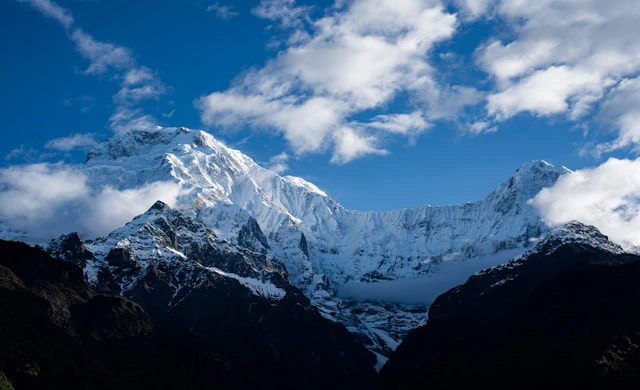
Staying in a tea house is an important part of the Annapurna Base Camp trek. It is not simply a place to sleep after a long day of walking. Tea houses give trekkers a chance to relax, enjoy local food, meet other travelers, and experience the welcoming culture of the mountain communities.
After reaching your lodge, you can usually spend the evening in the shared dining area. Many tea houses have a warm stove or heating area where trekkers gather to escape the cold. You may meet people from different countries, exchange trekking stories, play cards, read a book, or enjoy a cup of hot tea.
The atmosphere is usually friendly and relaxed. It is also a good opportunity to learn about local life and talk with your Annapurna trekking guide, lodge owners, and fellow trekkers.
Tea-house facilities are basic, particularly at higher elevations, but this simplicity is part of the experience. Instead of staying in large commercial hotels, you stay close to local communities and support family-run businesses along the trail. This makes the trek feel more personal, authentic, and connected to the Himalayan way of life.
Tea Houses vs Camping on Annapurna Base Camp Trek
Tea-house trekking is generally the easiest option for the Annapurna Base Camp route.
| Tea House Trek | Camping Trek |
| No tent required | Tent required |
| Food available at lodges | Food must be prepared |
| Lighter backpack | More equipment |
| Local accommodation | Camp-based accommodation |
| Easier logistics | More logistical planning |
| Social atmosphere | More private |
For most travelers, tea-house trekking offers the best balance between comfort and adventure.
Tips for a Comfortable Tea-House Trek
A few simple preparations can make your experience much better.
1. Carry a Good Sleeping Bag
Temperatures can be very cold near Annapurna Base Camp, especially at night.
2. Bring a Power Bank
Electricity may not always be available when you need it.
3. Carry Cash
Card payments may not be available in remote villages.
4. Carry Reusable Water Bottles
Reduce single-use plastic and keep yourself hydrated.
5. Start Walking Early
Morning starts give you more time to reach your destination before weather conditions change.
6. Do Not Rush
The goal is not simply to reach Annapurna Base Camp quickly. A steady pace helps you enjoy the trek and manage altitude better.
7. Respect Local Communities
Tea houses are usually family-run businesses. Be respectful toward local people, their traditions, and their environment.
Why Choose Tea Houses on the Annapurna Base Camp Trek?
Tea houses make the Annapurna Base Camp trek easier and more comfortable for trekkers. Instead of carrying camping equipment and cooking supplies, you can stay in local lodges along the trail and enjoy basic facilities.
The main benefits of staying in tea houses include:
- Comfortable accommodation: Get a bed, mattress, blanket, and a place to rest after a long day of trekking.
- Local meals: Enjoy dal bhat, noodles, momos, soup, rice, and other freshly prepared dishes.
- Hot drinks: Tea, coffee, hot chocolate, and other warm drinks are available at most lodges.
- Basic facilities: Tea houses provide bathrooms, showers, electricity, and other essential services, although facilities become more basic at higher elevations.
- Social experience: Meet fellow trekkers, share experiences, and enjoy the relaxed atmosphere in the dining area.
- Support for local communities: Staying at locally operated tea houses directly supports families and businesses along the trekking route.
- Authentic experience: You stay close to mountain villages and experience local hospitality rather than staying in commercial hotels.
For many trekkers, tea-house accommodation becomes an important and memorable part of their Annapurna Base Camp trekking experience.
Final Thoughts
Annapurna Base Camp tea houses offer a simple and practical way to experience one of Nepal’s most beautiful Himalayan treks. You can sleep in local lodges, enjoy traditional dal bhat, drink tea beside a warm stove, and wake up surrounded by spectacular mountain scenery.
The facilities become more basic as you approach the Annapurna Base Camp elevation of 4,130 meters, but the experience becomes increasingly rewarding. Whether you choose a traditional Annapurna Base Camp itinerary, a short Annapurna trek, or an independent journey, understanding tea-house accommodation will help you prepare for the trail.
With the right equipment, a sensible itinerary, and proper preparation, tea-house trekking can be comfortable, social, and unforgettable.
Related Post

Hand Luggage when traveling to Nepal
 admin
admin 09/09/2026
Chasing Shadows: An Unforgettable Snow Leopard Expedition in Nepal
ntsherpa79
09/09/2026
Explore Nepal’s Rich Culture Through Vegan Culinary Adventures
ntsherpa79
24/07/2026
Langtang valley trek Guide
Laxman Bhattarai
22/07/2026