
Chasing Shadows: An Unforgettable Snow Leopard Expedition in Nepal
Posted by: ntsherpa79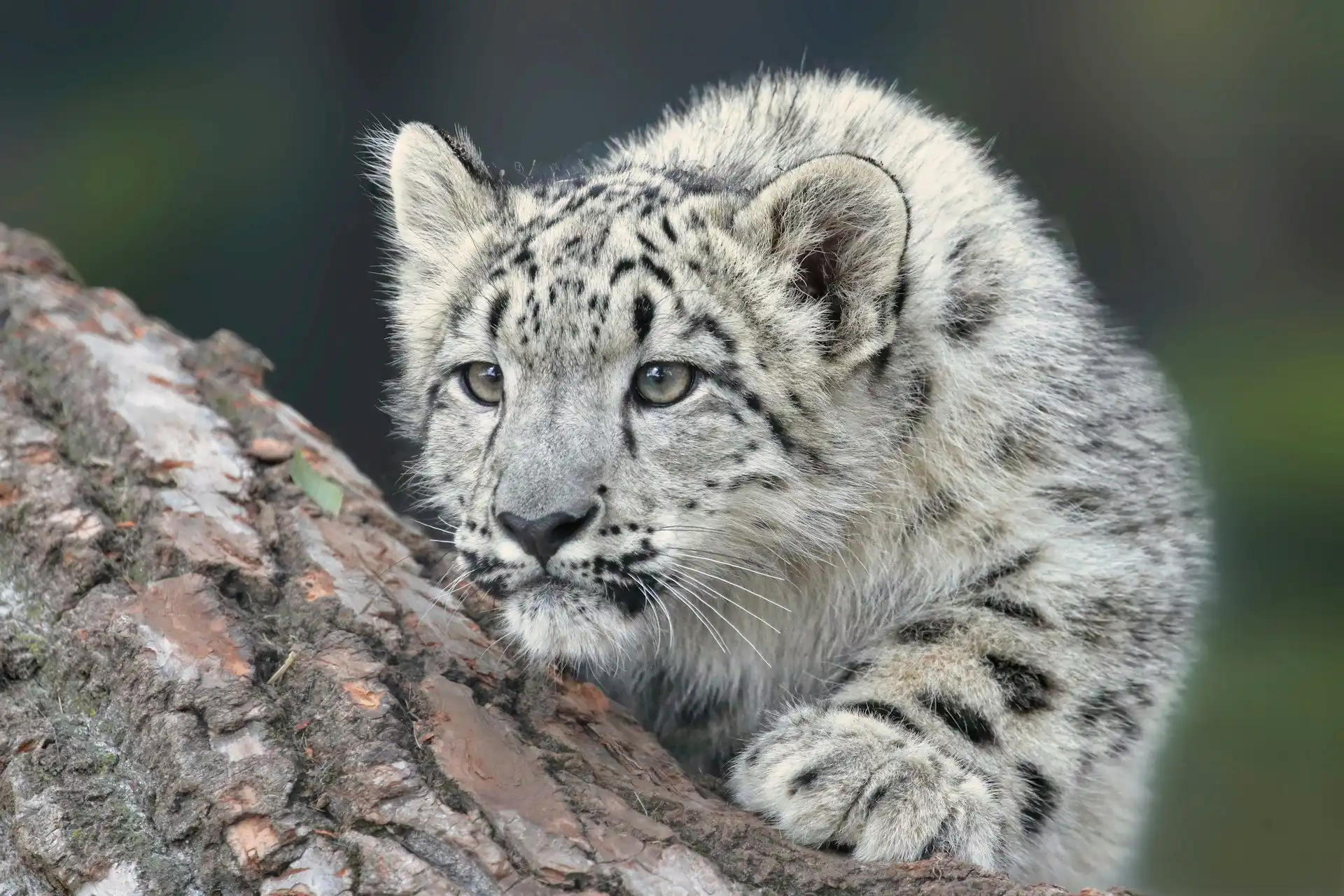
Experience a Snow Leopard Expedition in Nepal
Imagine standing quietly on a high Himalayan ridge, surrounded by snow-covered peaks, rocky cliffs, and vast alpine valleys. The wind moves across the mountains, but everything else is still.
Then, through your binoculars, you notice movement on a distant slope.
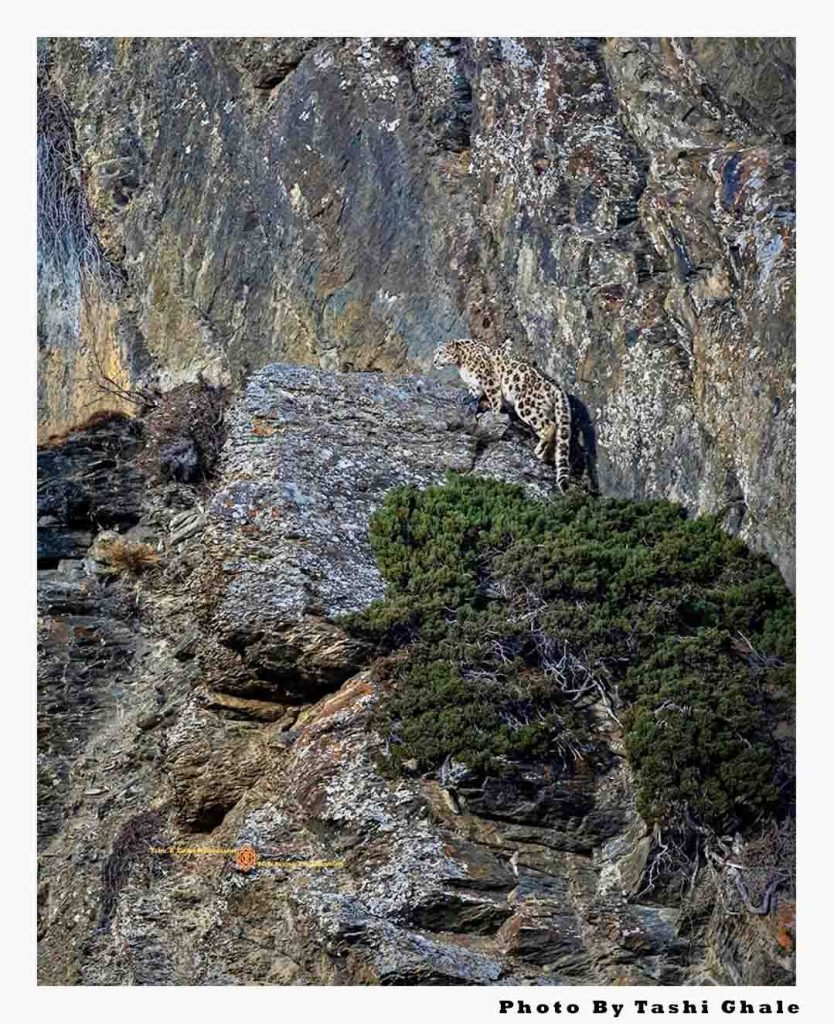
A few seconds later, you realize you are looking at one of the world’s most elusive wild cats—the snow leopard.
Often called the “Ghost of the Mountains,” the snow leopard is famous for its ability to disappear into the rugged Himalayan landscape. Its thick fur, long tail, and powerful body allow it to survive in some of the harshest environments on Earth.
Nepal offers an exciting opportunity to search for this rare animal in its natural habitat. A Snow Leopard Expedition in Nepal is not a conventional wildlife tour. It is a high-altitude adventure that combines trekking, wildlife observation, photography, and exploration of remote Himalayan communities.
The main reward is not simply seeing a snow leopard. It is experiencing the wilderness where this remarkable animal lives.
What Makes a Snow Leopard Expedition Special?
Snow leopard tracking is very different from visiting a conventional wildlife park.
In a lowland safari, animals may often be seen from roads or established trails. In the Himalayas, however, snow leopards live across enormous areas of rocky and mountainous terrain.
They are solitary, highly camouflaged, and naturally cautious around people.
This means a successful expedition requires:
- Patience
- Experienced local guides
- Wildlife tracking knowledge
- Good binoculars or spotting scopes
- Physical fitness
- Proper acclimatization
- Several days in suitable habitat
You may spend hours scanning a mountainside before finding anything. Sometimes you may only discover footprints, scat, or other signs of wildlife.
That uncertainty is part of the adventure.
A snow leopard expedition is about searching, observing, and experiencing the Himalayan wilderness, rather than simply ticking an animal off a checklist.
Where Can You Find Snow Leopards in Nepal?
Snow leopards are found across Nepal’s high Himalayan regions. Their habitat generally consists of steep mountain slopes, alpine meadows, rocky cliffs, and areas where their prey is available.
Some important areas associated with snow leopard conservation and habitat include:
1. Shey Phoksundo National Park
Located in the remote Dolpo region of western Nepal, Shey Phoksundo National Park is one of the country’s most important high-altitude protected areas.
The landscape includes dramatic mountains, deep valleys, high passes, and the famous Phoksundo Lake.
The remote nature of Dolpo makes reaching snow leopard habitat challenging, but it also provides a genuine wilderness experience.
For dedicated wildlife travelers, Dolpo can be one of the most rewarding destinations to explore.
2. Annapurna Conservation Area
The Annapurna Conservation Area covers a large section of central Nepal and includes several high-altitude valleys.
Areas around Manang and the upper sections of the Annapurna region provide suitable habitat for snow leopards and their prey.
A major advantage of this region is that it combines wildlife exploration with spectacular Himalayan scenery.
3. Manang
Manang is located north of the main Himalayan range and contains extensive high-altitude landscapes.
The region is known for dramatic mountains, dry valleys, Tibetan-influenced culture, and high alpine terrain.
Snow leopard tracking in the Manang area can also provide opportunities to observe other Himalayan wildlife.
4. Mustang
Upper Mustang and surrounding high Himalayan areas contain landscapes that are particularly suited to mountain wildlife.
The dry, rugged terrain is characterized by cliffs, caves, barren slopes, and high-altitude valleys.
Mustang is also culturally fascinating, making it possible to combine wildlife exploration with a journey through traditional Himalayan settlements.
5. Kangchenjunga Region
The eastern Himalayas also contain snow leopard habitat.
The Kangchenjunga Conservation Area is one of Nepal’s more remote protected landscapes. Its rugged terrain and relatively limited infrastructure make expeditions here more demanding.
For travelers looking for a less-visited Himalayan experience, the region offers an impressive combination of mountains, biodiversity, and local culture.
Best Time for a Snow Leopard Expedition in Nepal
Choosing the right season is important because snow leopard behavior, weather, accessibility, and visibility can change throughout the year.
Winter: November to March
Winter can be an interesting period for snow leopard tracking because snow conditions may influence animal movement and make some signs easier to identify.
However, conditions at high altitude can be extremely cold, and heavy snowfall can affect trails and access.
Travelers choosing a winter expedition should be prepared for freezing temperatures and challenging mountain conditions.
Spring: April to May
Spring brings more stable weather and gradually warmer temperatures.
Wildflowers begin appearing in lower alpine areas, while mountain landscapes become more accessible.
Snow leopards may also move through different parts of their range as seasonal conditions change.
Spring can therefore be a good period for travelers who want to combine wildlife observation with trekking.
Summer/Monsoon: June to August
The monsoon affects many parts of Nepal, particularly the southern slopes of the Himalayas.
Some rain-shadow regions, including parts of Mustang and Dolpo, receive much less rainfall than other areas.
Even so, access, flights, roads, and trekking conditions can vary, so a summer expedition needs careful planning.
Autumn: September to November
Autumn is one of Nepal’s most popular trekking seasons.
The weather is generally favorable, mountain visibility can be excellent, and trails are more accessible.
For travelers who want to combine a wildlife expedition with broader Himalayan trekking, autumn can be an attractive option.
What Is a Snow Leopard Expedition Really Like?
A snow leopard expedition usually follows a different rhythm from a normal trek.
You may wake early, have breakfast, and begin walking toward an area where recent wildlife activity has been reported.
Once you reach a suitable viewpoint, the trekking pace changes.
Instead of continuously walking, your guide may identify a strategic location where you can sit quietly and scan the surrounding slopes.
This can continue for hours.
A typical day may involve:
Early morning → Trek to observation area → Scan mountain slopes → Lunch/rest → Afternoon wildlife observation → Return to camp or lodge
The experience requires patience.
You might see Himalayan birds, blue sheep, Himalayan tahr, marmots, or other wildlife before seeing a snow leopard.
And sometimes, despite spending an entire day in suitable habitat, you may not see one.
That is the reality of wildlife photography and tracking.
How Difficult Is a Snow Leopard Trek?
A snow leopard expedition is generally more demanding than an ordinary sightseeing tour.
The exact difficulty depends on the destination and itinerary.
You may encounter:
- High elevations
- Steep trails
- Rocky terrain
- Cold temperatures
- Long walking days
- Remote settlements
- Limited accommodation
- Basic facilities
- Changing weather
Some expeditions involve spending significant time above 3,500 meters, while certain routes reach considerably higher elevations.
Because altitude is an important consideration, proper acclimatization should be included in the itinerary.
Who Can Join?
The expedition is best suited to travelers who:
- Enjoy trekking and outdoor adventures
- Are comfortable walking at high altitude
- Have reasonable cardiovascular fitness
- Can tolerate cold conditions
- Are patient with wildlife observation
- Enjoy photography and nature
- Understand that wildlife sightings are never guaranteed
You do not necessarily need to be an expert mountaineer.
However, you should be physically prepared for several days of hiking in remote mountain terrain.
Snow Leopard Expedition vs. Regular Trekking
A snow leopard expedition has a very different purpose from popular treks such as Everest Base Camp or the Annapurna Circuit.
| Snow Leopard Expedition | Regular Himalayan Trek |
| Focuses on wildlife | Focuses on landscapes and culture |
| Requires long observation periods | Usually involves continuous walking |
| Wildlife sightings are uncertain | Main destinations are predictable |
| Uses binoculars and spotting scopes | Trekking gear is the main priority |
| Requires patience | Emphasizes route and scenery |
| Often visits remote areas | Many routes have established trekking infrastructure |
If you love wildlife and photography, the slower pace of a snow leopard expedition can be incredibly rewarding.
What Wildlife Can You See?
Snow leopards are the main attraction, but they are not the only animals you may encounter.
The high Himalayas support a fascinating range of wildlife.
Depending on the destination, you may encounter:
Blue Sheep
Also known as bharal, blue sheep are an important prey species for snow leopards.
Large groups can sometimes be seen grazing on steep mountain slopes.
Himalayan Tahr
The Himalayan tahr is another impressive mountain animal.
It has adapted to rocky terrain and can often be found on steep slopes.
Himalayan Marmot
Marmots become active during warmer months and can be seen around alpine meadows and rocky areas.
Himalayan Birds
High-altitude regions also support birds such as Himalayan monals, vultures, eagles, and other mountain species.
For photographers, these additional wildlife encounters can make the expedition even more interesting.
What Are the Chances of Seeing a Snow Leopard?
This is one of the most important questions to understand before booking an expedition.
There is no guaranteed chance of seeing a wild snow leopard.
Snow leopards have enormous home ranges, excellent camouflage, and behavior that makes them difficult to observe.
Even experienced guides cannot guarantee a sighting.
Your chances can improve when you travel with knowledgeable local guides who understand:
- Recent animal activity
- Local terrain
- Prey movement
- Tracks and signs
- Suitable observation points
- Seasonal wildlife behavior
The length of your expedition also matters. Spending more time in suitable habitat generally gives you more opportunities to search.
The right mindset is simple:
Go expecting an adventure, not a guaranteed photograph.
If you do see a snow leopard, the moment becomes even more special because you know how difficult it was to find.
Snow Leopard Tracking and Photography
For wildlife photographers, Nepal’s high Himalayas offer an extraordinary challenge.
Snow leopards are usually observed from a considerable distance, so a camera with a long telephoto lens can be extremely useful.
Recommended photography equipment
Consider bringing:
- Camera body
- 400mm–600mm telephoto lens
- Extra batteries
- Multiple memory cards
- Binoculars
- Tripod or monopod
- Lens cleaning cloth
- Weather protection
- Extra battery storage for cold conditions
A spotting scope can also be extremely useful.
However, equipment is only part of successful wildlife photography.
Patience, timing, and responsible behavior are equally important.
Never approach, chase, call, feed, or disturb a snow leopard to obtain a photograph.
What Should You Pack?
Packing correctly is essential for a high-altitude wildlife expedition.
Clothing
Use a layered clothing system that allows you to adjust to changing temperatures.
Essential items include:
- Thermal base layers
- Fleece or insulating mid-layer
- Down or warm insulated jacket
- Waterproof jacket
- Warm trekking trousers
- Gloves
- Wool or thermal socks
- Warm hat
- Sun hat
Trekking Equipment
You should also consider:
- Comfortable trekking boots
- Backpack
- Sleeping bag suitable for expected temperatures
- Trekking poles
- Headlamp
- Water bottles
- Sunglasses
- Sunscreen
- Personal first-aid supplies
Wildlife Equipment
For wildlife observation:
- Binoculars
- Spotting scope
- Camera
- Telephoto lens
- Extra batteries
- Memory cards
Your operator should provide a detailed packing list based on the exact destination and season.
Accommodation During a Snow Leopard Expedition
Accommodation depends heavily on the region.
Some expeditions use local tea houses or lodges, while more remote routes may require camping.
In smaller Himalayan settlements, facilities can be basic.
You should not expect luxury accommodation in remote snow leopard habitat.
Instead, the focus is on:
- Warm shelter
- Basic meals
- Local hospitality
- Access to wildlife habitat
- A genuine mountain experience
Camping expeditions may provide greater flexibility because the group can stay closer to suitable wildlife areas.
Food and Water
Food during a high-altitude expedition is usually simple but filling.
Depending on the route, meals may include:
- Dal bhat
- Rice
- Noodles
- Pasta
- Soups
- Potatoes
- Eggs
- Vegetables
- Bread
- Tea
- Coffee
Staying hydrated is especially important at high altitude.
Carry a reusable water bottle and use appropriate water purification methods recommended by your trekking operator.
Acclimatization and Altitude
Altitude is one of the biggest considerations during a Himalayan wildlife expedition.
As you climb higher, the amount of available oxygen decreases. Your body needs time to adjust.
A responsible itinerary should include appropriate acclimatization days and a gradual increase in sleeping altitude.
Common symptoms of altitude sickness can include:
- Headache
- Nausea
- Tiredness
- Dizziness
- Loss of appetite
Never ignore serious symptoms.
If symptoms become severe or worsen, descending to a lower elevation is the safest response.
Your guide should monitor the group and have an emergency plan for the route.
Snow Leopard Conservation in Nepal
The snow leopard is more than a symbol of the Himalayas. It is an important part of the mountain ecosystem.
As a major predator, it plays a role in maintaining the balance of high-altitude ecosystems.
However, snow leopards face several conservation challenges.
These include:
- Habitat degradation
- Declining prey populations
- Human-wildlife conflict
- Illegal wildlife trade
- Climate-related changes
- Infrastructure development
Conservation therefore requires more than protecting individual animals.
It also requires protecting their habitat and supporting the communities living alongside them.
How Tourism Can Support Conservation
Responsible tourism can contribute positively when it is carefully managed.
Local guides, porters, accommodation providers, and community businesses can benefit economically from wildlife tourism.
This gives communities an additional reason to value and protect the natural environment.
A responsible snow leopard expedition should:
- Respect local communities
- Follow protected-area regulations
- Avoid disturbing wildlife
- Keep a safe viewing distance
- Minimize waste
- Avoid single-use plastics where possible
- Use local services
- Follow the guidance of conservation authorities
The goal should be to observe wildlife without changing its natural behavior.
Responsible Snow Leopard Watching
Seeing a rare animal can be exciting, but wildlife welfare should always come first.
Follow these simple rules:
Keep Your Distance
Never attempt to get close to a snow leopard for a better photograph.
Stay Quiet
Loud conversations and sudden movements can disturb wildlife.
Never Feed Wildlife
Feeding changes natural behavior and can create long-term problems.
Do Not Follow an Animal
If a snow leopard moves away, allow it to leave undisturbed.
Follow Your Guide
Local guides understand the terrain and wildlife behavior. Their instructions should always be followed.
Leave No Trace
Take your waste with you and avoid damaging vegetation or wildlife habitat.
How Much Does a Snow Leopard Expedition in Nepal Cost?
The price depends on several factors, including:
- Expedition duration
- Destination
- Group size
- Accommodation
- Camping requirements
- Transportation
- Permits
- Guide and staff services
- Wildlife equipment
- Domestic flights
- Food and logistics
Remote destinations generally cost more because transportation and logistics are more complicated.
Instead of choosing an expedition based only on the cheapest price, look carefully at what the package includes.
Ask whether the price covers permits, transportation, accommodation, meals, guides, porters, conservation fees, and emergency support.
How Long Should You Spend on a Snow Leopard Expedition?
There is no single ideal duration.
A short expedition may provide limited time for wildlife observation, while a longer expedition gives you more time to explore suitable habitat.
For serious wildlife enthusiasts and photographers, a longer itinerary is usually more practical because snow leopard sightings depend heavily on patience and opportunity.
A typical itinerary may include:
Kathmandu → Destination transfer → Acclimatization → Trek to wildlife habitat → Multiple wildlife observation days → Return trek → Kathmandu
The exact route should be designed around the selected snow leopard habitat.
Can You Combine a Snow Leopard Expedition With Other Nepal Adventures?
Yes.
Nepal makes it possible to combine a wildlife expedition with other travel experiences.
Depending on your schedule, you could add:
Everest Base Camp Trek
Explore the famous Khumbu region and experience Sherpa culture while trekking beneath some of the world’s highest peaks.
Annapurna Circuit Trek
Combine high mountain scenery, diverse landscapes, villages, and the famous Thorong La Pass.
Chitwan National Park
After exploring the high Himalayas, travel south to the lowlands for a wildlife safari.
Here, you can look for animals such as the greater one-horned rhinoceros, wild elephants, crocodiles, and many species of birds.
This creates a fascinating contrast between Nepal’s high-altitude wildlife and subtropical ecosystems.
Frequently Asked Questions About Snow Leopard Expeditions
Is Nepal a good destination for snow leopard watching?
Yes. Nepal contains important snow leopard habitat across several high Himalayan protected areas. However, sightings are never guaranteed because the animals are naturally elusive.
What is the best season for a snow leopard expedition?
The best season depends on the destination and current conditions. Winter and spring can offer interesting tracking opportunities, while autumn provides generally favorable trekking weather. A local wildlife specialist can recommend the best period for your chosen region.
How difficult is a snow leopard trek?
Most expeditions require good physical fitness because they involve hiking in remote, high-altitude terrain. The difficulty varies considerably by destination and itinerary.
Do I need previous trekking experience?
Previous high-altitude trekking experience is helpful but may not always be essential. What matters most is being physically prepared and following a gradual acclimatization schedule.
Are snow leopard sightings guaranteed?
No. Wild animal sightings can never be guaranteed. Even experienced trackers may spend several days searching without seeing a snow leopard.
What camera should I take?
A camera with a long telephoto lens is ideal because snow leopards are usually observed from a distance. A spotting scope and binoculars can also be valuable.
Can beginners join a snow leopard expedition?
Some itineraries can accommodate less-experienced trekkers, but participants should have reasonable fitness and be comfortable with high-altitude hiking. The route should be selected according to experience and physical ability.
Is accommodation available during the trek?
Accommodation depends on the destination. Some routes have local lodges or tea houses, while remote areas may require camping.
How should I prepare for the expedition?
Start with regular cardiovascular exercise, long walks, stair climbing, and strength training several weeks before departure. If your itinerary reaches high altitude, discuss altitude preparation with a qualified medical professional.
Is snow leopard tourism good for conservation?
Responsible wildlife tourism can support local economies and encourage protection of wildlife and habitat. However, tourism must be carefully managed and should never disturb wild animals.
Why a Snow Leopard Expedition Is Worth the Journey
A Snow Leopard Expedition in Nepal is not an ordinary holiday.
It takes you away from busy cities and established tourist routes and into a quieter world of high mountain valleys, rocky cliffs, ancient villages, and enormous Himalayan landscapes.
You may spend hours searching a distant ridge without success.
You may discover only tracks in the snow.
You may watch blue sheep moving across a cliff.
Or, if fortune is on your side, you may finally see the unmistakable shape of a snow leopard moving silently across the mountainside.
That moment can stay with you for a lifetime.
The real value of the expedition is not only the possibility of seeing the Ghost of the Mountains. It is the opportunity to experience one of Nepal’s wildest landscapes while learning about the wildlife, people, and conservation efforts that protect it.
Plan Your Snow Leopard Expedition in Nepal
If you are looking for an adventure that combines wildlife, photography, trekking, conservation, and Himalayan exploration, a snow leopard expedition can be an extraordinary choice.
Plan your journey carefully, choose an experienced local team, allow enough time for acclimatization and wildlife observation, and travel with respect for the environment.
The mountains may not reveal their ghost easily—but that is what makes the chase unforgettable.
Related Post

Hand Luggage when traveling to Nepal
 admin
admin 09/09/2026
Annapurna Base Camp Tea Houses: Complete Accommodation Guide
Laxman Bhattarai
09/09/2026
Explore Nepal’s Rich Culture Through Vegan Culinary Adventures
ntsherpa79
24/07/2026
Langtang valley trek Guide
Laxman Bhattarai
22/07/2026