
Annapurna I Expedition: Everything You Need to Know
Posted by: Laxman Bhattarai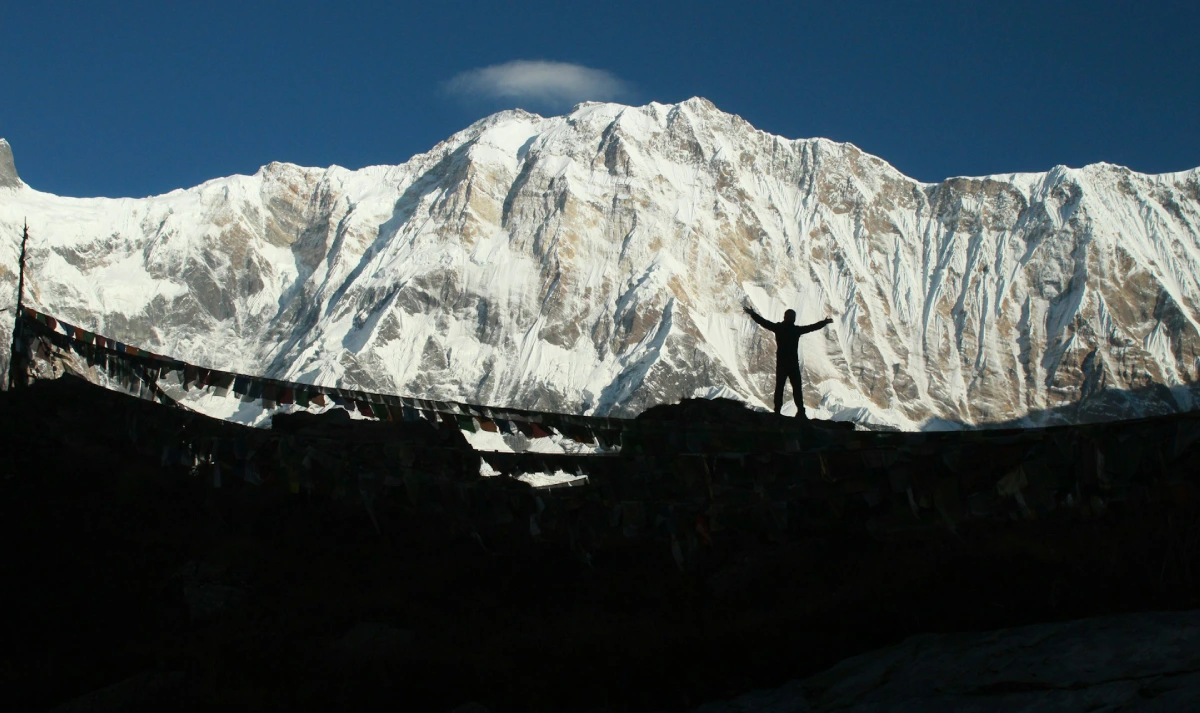
The Annapurna I Expedition is one of the most demanding and prestigious mountaineering adventures in the world. Rising to 8,091 meters (26,545 feet), Annapurna I is the tenth-highest mountain on Earth and the tallest peak in Nepal’s Annapurna Massif. While it may be lower than Mount Everest and K2, it is widely regarded as one of the most technically challenging and dangerous 8,000-meter peaks due to its steep ice faces, unstable snow conditions, frequent avalanches, and rapidly changing weather.
Located in the Annapurna Conservation Area of north-central Nepal, Annapurna I attracts experienced mountaineers from around the globe who seek to push their physical and mental limits. Unlike popular trekking destinations in the Annapurna region, this expedition is designed exclusively for skilled climbers with extensive high-altitude and technical mountaineering experience. Success on Annapurna I requires months of preparation, excellent physical fitness, advanced alpine climbing skills, careful acclimatization, and the guidance of a professional expedition team.
Annapurna I is more than just another Himalayan summit—it is a true test of endurance, resilience, decision-making, and teamwork. Climbers typically spend six to eight weeks on the mountain, gradually acclimatizing through a series of higher camps before attempting the summit during a short window of stable weather. Every stage of the climb demands patience and discipline, as weather conditions can change within hours, turning a manageable route into a hazardous one.
The mountain forms the highest point of the Annapurna Massif, a spectacular section of the Himalayas that includes several peaks exceeding 7,000 meters. The massif is renowned for its dramatic landscapes, including towering glaciers, massive ice cliffs, deep river valleys, and rugged alpine ridges. These breathtaking features make Annapurna one of Nepal’s most iconic mountain ranges while also contributing to the technical complexity of the expedition.
One of the defining characteristics of Annapurna I is its constantly evolving terrain. Heavy snowfall, shifting glaciers, hidden crevasses, and unstable seracs require climbers to adapt to changing conditions throughout the expedition. Unlike many trekking peaks, where established trails lead to the summit, Annapurna I demands advanced mountaineering techniques. Climbers must safely navigate steep snow and ice slopes, cross glacier systems, climb fixed ropes, and manage prolonged exposure to extreme altitude, where oxygen levels are only about one-third of those at sea level.
Although Mount Everest sees significantly more climbers each year, Annapurna I remains one of the least-attempted 8,000-meter peaks because of its objective hazards and technical demands. Its reputation has earned the respect of elite mountaineers worldwide, making a successful ascent one of the greatest achievements in Himalayan climbing.
For experienced climbers seeking an expedition that combines technical difficulty, remote wilderness, and extraordinary mountain scenery, Annapurna I offers an unforgettable challenge. Reaching its summit is not simply about standing on top of one of the world’s highest mountains—it is about overcoming one of the Himalayas’ most formidable tests through careful preparation, sound judgment, and respect for the mountain.
Annapurna I at a Glance
| Feature | Details |
| Mountain Name | Annapurna I |
| Height | 8,091 m (26,545 ft) |
| World Ranking | 10th highest mountain |
| Location | Gandaki Province, Nepal |
| Mountain Range | Annapurna Massif, Himalayas |
| First Ascent | 3 June 1950 |
| First Climbers | Maurice Herzog and Louis Lachenal |
| Expedition Duration | 45–60 days |
| Difficulty | Extremely Challenging |
| Climbing Grade | Technical 8,000-meter expedition |
| Best Seasons | Spring (April–May) and Autumn (September–October) |
The Historic First Ascent of Annapurna I
Annapurna I holds a special place in mountaineering history. On 3 June 1950, French climbers Maurice Herzog and Louis Lachenal became the first people to reach the summit of an 8,000-meter mountain.
Their expedition marked a turning point in Himalayan climbing. Unlike modern expeditions equipped with advanced weather forecasting, lightweight gear, and satellite communication, the French team relied on basic equipment and limited knowledge of the mountain.
Although they successfully reached the summit, both climbers suffered severe frostbite during their descent. Herzog later lost most of his fingers and toes, highlighting the immense risks faced by early Himalayan explorers.
Their achievement demonstrated that humans could climb mountains above 8,000 meters, paving the way for future expeditions to Everest, K2, and other Himalayan giants.
Why Is Annapurna I Considered One of the World’s Most Dangerous Mountains?
Among the world’s fourteen 8,000-meter peaks, Annapurna I has earned a reputation as one of the most technically demanding and dangerous mountains. Although modern climbing equipment, improved weather forecasting, and experienced Sherpa support have increased summit success rates, the mountain still presents serious objective hazards that cannot be completely eliminated.
Unlike Everest, where much of the route follows established climbing lines, Annapurna I is constantly changing. Heavy snowfall, unstable glaciers, and frequent avalanches can alter the route within days or even hours.
The biggest risks include:
- Large avalanches triggered by heavy snowfall
- Unstable seracs (massive blocks of glacial ice)
- Deep crevasses hidden beneath snow
- Extremely steep snow and ice slopes
- Rapid weather changes
- High-altitude illnesses above 7,000 meters
Even experienced climbers often wait several days—or even weeks—for a safe weather window before making a summit attempt.
Because of these hazards, every successful Annapurna I expedition depends on careful planning, teamwork, patience, and sound decision-making rather than speed.
Annapurna I Expedition Route
Most expeditions climb Annapurna I via the Northwest Face, which is regarded as the standard route. Even this “normal route” remains highly technical compared with the standard routes on Everest or Cho Oyu.
The expedition begins in Kathmandu, where climbers complete permit formalities, equipment inspections, and team briefings. They then travel to Pokhara, continue by road to the trailhead, and trek through remote mountain villages to reach Annapurna Base Camp.
Once at base camp, the climbing phase begins.
Base Camp (Approximately 4,200 m)
Base Camp serves as the expedition headquarters for nearly six weeks. Climbers spend several days organizing equipment, practicing technical climbing skills, and beginning acclimatization.
The camp includes:
- Sleeping tents
- Dining tent
- Communication tent
- Medical supplies
- Kitchen facilities
- Solar power systems
Most expedition teams also monitor weather forecasts daily before deciding when to move higher.
Camp I
The route from Base Camp to Camp I crosses heavily crevassed glaciers and avalanche-prone terrain. Climbers usually travel early in the morning when snow conditions are more stable.
This section requires:
- Fixed ropes
- Ice axes
- Crampons
- Glacier travel techniques
Because of the objective hazards, many climbers consider this one of the most stressful sections of the expedition.
Camp II
Camp II is established higher on the mountain after negotiating steep snow slopes and technical ice climbing sections.
Here climbers begin feeling the effects of extreme altitude.
Common symptoms include:
- Fatigue
- Reduced appetite
- Difficulty sleeping
- Slower recovery
Expedition teams typically spend several nights here during acclimatization rotations before returning to Base Camp.
Camp III
Camp III sits above 6,500 meters in the “high mountain” environment where oxygen levels are dramatically lower than at sea level.
The terrain becomes steeper and more exposed.
Climbers rely heavily on:
- Fixed ropes
- Ascenders
- Ice screws
- Technical climbing equipment
Every movement requires significantly more energy because of the thin air.
Camp IV (High Camp)
Camp IV is usually established near 7,200–7,400 meters, depending on seasonal snow conditions.
This is the final camp before the summit push.
Most climbers rest for only a few hours before beginning their summit attempt during the night or early morning.
By this stage, supplemental oxygen is commonly used, although some elite mountaineers choose to climb without it.
Summit Push
Summit day is the most physically and mentally demanding part of the expedition.
Climbers leave Camp IV in darkness, following fixed ropes across steep snow slopes, exposed ridges, and sections threatened by avalanches.
Reaching the summit is only half the challenge.
The descent demands just as much focus because exhaustion, changing weather, and deteriorating snow conditions significantly increase the risk of accidents.
Experienced guides often remind climbers:
“The summit is optional. Returning safely is mandatory.”
Acclimatization Strategy
A successful Annapurna I expedition depends on proper acclimatization.
Instead of climbing continuously upward, mountaineers follow the principle of:
“Climb high, sleep low.”
This means climbers:
- Climb to a higher camp
- Spend time adapting to the altitude
- Descend to sleep at a lower elevation
- Repeat the process several times
This gradual approach allows the body to produce more red blood cells and improves its ability to function in low-oxygen environments.
Skipping acclimatization significantly increases the risk of Acute Mountain Sickness (AMS) and more serious conditions such as High Altitude Pulmonary Edema (HAPE) and High Altitude Cerebral Edema (HACE).
Best Time for an Annapurna I Expedition
Choosing the right season is critical for both safety and summit success.
Spring (April to May)
Spring is the most popular climbing season.
Advantages include:
- More stable weather
- Longer daylight hours
- Moderate temperatures
- Better summit opportunities
- Established climbing routes
Most successful Annapurna I ascents take place during this period.
Autumn (September to October)
Autumn is another suitable climbing season.
Benefits include:
- Clear mountain views
- Stable post-monsoon weather
- Less snowfall than winter
- Pleasant temperatures at lower elevations
However, autumn expeditions are fewer than spring because shorter weather windows can make summit planning more challenging.
Seasons to Avoid
Monsoon (June to August)
Heavy rainfall creates:
- Increased avalanche danger
- Unstable snow conditions
- Poor visibility
- Difficult access routes
Most commercial expeditions avoid this season.
Winter (November to March)
Winter climbing brings:
- Extremely low temperatures
- Strong jet-stream winds
- Heavy snowfall
- Higher frostbite risk
- Short daylight hours
Only highly specialized alpine teams attempt Annapurna I during winter.
How Difficult Is the Annapurna I Expedition?
The Annapurna I Expedition is considered suitable only for experienced high-altitude mountaineers.
Unlike trekking peaks such as Island Peak or Mera Peak, Annapurna I requires advanced alpine climbing skills and previous experience on technical mountains.
Successful climbers typically have experience with:
- 6,000-meter expeditions
- 7,000-meter peaks
- Ice climbing
- Glacier travel
- Fixed rope techniques
- Crevasse rescue
- Multi-day high-altitude camping
In addition to technical ability, climbers must possess exceptional physical endurance and mental resilience. Expedition members often face weeks of waiting, rapidly changing weather, and physically exhausting climbs in freezing temperatures.
For this reason, Annapurna I is regarded as one of the ultimate tests in Himalayan mountaineering.
Annapurna I Expedition Cost
An Annapurna I Expedition is one of the most expensive mountaineering adventures in Nepal due to its technical difficulty, extended duration, and the level of logistical support required. Most commercial expeditions last 45–60 days, requiring a large team, specialized equipment, and extensive planning.
On average, climbers can expect to pay USD 30,000–60,000 for a guided expedition. Premium operators offering additional Sherpa support, supplemental oxygen, and personalized services may charge even more.
What Does the Expedition Cost Include?
A typical expedition package includes:
- Climbing permit issued by the Government of Nepal
- Airport transfers and domestic transportation
- Hotel accommodation in Kathmandu
- Meals during the expedition
- Experienced expedition leader
- IFMGA-certified or experienced mountain guides (depending on the operator)
- Experienced Sherpa climbing team
- Base Camp accommodation and logistics
- Fixed ropes installed by rope-fixing teams
- High-altitude tents
- Group climbing equipment
- Supplemental oxygen (depending on the package)
- Medical kit and emergency support
- Satellite communication
- Waste management services
Additional Personal Expenses
Climbers should also budget for:
- International flights
- Personal travel insurance with high-altitude rescue coverage
- Personal climbing equipment
- Tips for guides and support staff
- Visa fees
- Personal snacks and beverages
- Extra oxygen bottles (if required)
- Emergency evacuation costs not covered by insurance
Choosing the lowest-priced expedition is rarely the best option. Safety, guide experience, Sherpa support, and logistics are far more important than saving a few thousand dollars.
Permits Required for Annapurna I
Every foreign climber must obtain official permission before attempting Annapurna I.
The required permits generally include:
1. Annapurna I Climbing Permit
Issued by Nepal’s Department of Tourism, this is the primary permit required for the expedition. Permit fees vary depending on the climbing season.
2. Annapurna Conservation Area Permit (ACAP)
Since the mountain lies within the Annapurna Conservation Area, all climbers must obtain an ACAP permit before entering the protected region.
3. Expedition Documentation
Professional expedition companies also arrange:
- Expedition registration
- Liaison officer requirements (where applicable)
- Route management coordination
- Environmental compliance
- Waste deposit procedures
Most international climbers book through a licensed Nepalese expedition operator, which handles the permit process on their behalf.
How to Prepare for an Annapurna I Expedition
Preparation begins long before arriving in Nepal. Most successful climbers spend six to twelve months training specifically for the expedition.
Build Cardiovascular Endurance
Summit day may require climbing for 10–16 hours in extremely thin air.
Recommended activities include:
- Trail running
- Mountain hiking
- Cycling
- Swimming
- Stair climbing with a weighted backpack
Aim for 4–6 cardio sessions per week.
Increase Strength
Strong legs, core muscles, and shoulders help climbers move efficiently while carrying heavy packs.
A balanced strength program should include:
- Squats
- Lunges
- Deadlifts
- Step-ups
- Pull-ups
- Planks
- Shoulder presses
Training should gradually increase in intensity over several months.
Practice Technical Climbing
Because Annapurna I is a technical mountain, climbers should be comfortable using:
- Crampons
- Ice axes
- Fixed ropes
- Ascenders
- Descenders
- Harness systems
Previous experience on glaciers and mixed snow-and-ice terrain is highly recommended.
Gain High-Altitude Experience
Before attempting Annapurna I, most guides recommend successfully climbing several lower peaks.
Ideal preparation includes mountains above:
- 6,000 meters
- 7,000 meters
Experience on peaks such as Himlung Himal, Baruntse, Ama Dablam, or Cho Oyu provides valuable high-altitude skills and confidence.
Essential Equipment Checklist
Having the right equipment is critical for both safety and comfort.
Clothing
Layering is essential in the Himalayas.
Typical clothing includes:
- Base layers
- Insulated mid-layers
- Down jacket
- Waterproof shell jacket
- Waterproof pants
- Expedition down suit
- Thermal gloves
- Overmitts
- Balaclava
- Warm hat
- Neck gaiter
Footwear
Proper footwear protects against frostbite and improves climbing performance.
Recommended gear includes:
- Double or triple-insulated mountaineering boots
- Gaiters
- Camp shoes
- Warm socks
- Crampon-compatible boots
Technical Equipment
Most climbers carry:
- Climbing harness
- Helmet
- Ice axe
- Crampons
- Carabiners
- Ascender
- Descender
- Prusik cords
- Trekking poles
- Headlamp with spare batteries
Some equipment may be provided by the expedition operator, but personal gear should always fit properly.
Sleeping Equipment
High-quality sleeping gear helps improve recovery.
Essential items include:
- Expedition sleeping bag rated below -30°C
- Inflatable sleeping mat
- Compression sack
- Lightweight pillow (optional)
Altitude Sickness and Safety
One of the greatest challenges on Annapurna I is extreme altitude.
Above 8,000 meters, climbers enter the Death Zone, where oxygen levels are insufficient for long-term survival. The body gradually weakens, even while resting.
Common altitude-related illnesses include:
Acute Mountain Sickness (AMS)
Symptoms:
- Headache
- Nausea
- Fatigue
- Loss of appetite
- Poor sleep
High Altitude Pulmonary Edema (HAPE)
Symptoms:
- Persistent cough
- Difficulty breathing
- Chest tightness
- Extreme fatigue
HAPE is a medical emergency that requires immediate descent.
High Altitude Cerebral Edema (HACE)
Symptoms:
- Loss of coordination
- Confusion
- Slurred speech
- Hallucinations
HACE is life-threatening and demands urgent evacuation.
How Climbers Reduce Risk
Experienced expedition teams follow strict safety practices, including:
- Gradual acclimatization
- Hydration
- High-calorie meals
- Regular health monitoring
- Weather forecasting
- Supplemental oxygen above high camps
- Immediate descent if symptoms worsen
No summit is worth risking a life.
Climbing Responsibly
Protecting the Himalayan environment is an important part of every modern expedition.
Responsible climbers should:
- Carry out all personal waste
- Avoid leaving abandoned equipment
- Respect local customs and religious sites
- Minimize plastic waste
- Stay on established routes
- Support local communities by hiring licensed guides and porters
Many expedition operators now follow Leave No Trace principles and participate in mountain clean-up initiatives.
Annapurna I vs. Everest vs. K2
Many climbers compare Annapurna I with Mount Everest and K2 before choosing their next expedition. While all three mountains rise above 8,000 meters, each presents unique challenges.
| Feature | Annapurna I | Mount Everest | K2 |
| Height | 8,091 m | 8,848.86 m | 8,611 m |
| World Rank | 10th | 1st | 2nd |
| Location | Nepal | Nepal/China | Pakistan/China |
| Difficulty | Extremely Technical | High Altitude, Less Technical (Standard Route) | Extremely Technical |
| Main Hazard | Avalanches and Seracs | Altitude and Crowds | Steep Rock, Ice, and Weather |
| Expedition Duration | 45–60 Days | 50–65 Days | 50–60 Days |
| Best Season | April–May | April–May | June–July |
Although Everest is the highest mountain in the world, many experienced mountaineers believe Annapurna I is technically more dangerous due to its unstable snowpack and frequent avalanches. K2, meanwhile, is renowned for its steep rock and ice climbing.
Choosing between these peaks depends on your climbing experience, technical ability, and long-term mountaineering goals.
Is the Annapurna I Expedition Right for You?
The Annapurna I Expedition is designed for highly experienced mountaineers. It is not suitable for beginners or climbers attempting their first 8,000-meter peak.
You should consider Annapurna I only if you have:
- Successfully climbed technical peaks above 6,500–7,000 meters.
- Strong glacier travel and ice climbing skills.
- Experience using fixed ropes, crampons, and ascenders.
- Excellent physical fitness and endurance.
- The ability to spend several weeks at high altitude.
- A calm mindset under pressure and changing mountain conditions.
For climbers who meet these requirements, Annapurna I offers one of the most rewarding achievements in Himalayan mountaineering.
Frequently Asked Questions
How high is Annapurna I?
Annapurna I stands 8,091 meters (26,545 feet) above sea level, making it the tenth-highest mountain in the world.
How long does an Annapurna I Expedition take?
Most expeditions take 45 to 60 days, including travel, acclimatization, climbing rotations, and the summit attempt.
How much does an Annapurna I Expedition cost?
A guided expedition generally costs USD 30,000 to USD 60,000, depending on the operator, logistics, guide-to-client ratio, and support services.
Is Annapurna I harder than Mount Everest?
Many climbers consider Annapurna I more technically challenging than Everest because of its steep terrain, unstable glaciers, and high avalanche risk. Everest, however, presents greater challenges related to altitude and longer time spent above 8,000 meters.
What is the best time to climb Annapurna I?
The best climbing season is spring (April–May), when weather conditions are generally more stable and summit opportunities are higher. Autumn (September–October) is also possible but less popular.
Do I need previous mountaineering experience?
Yes. Annapurna I requires extensive experience in technical alpine climbing, glacier travel, and high-altitude expeditions. It is not recommended for novice climbers.
Is supplemental oxygen required?
Most commercial expeditions use supplemental oxygen above the higher camps to improve safety and performance. Some elite climbers attempt the mountain without oxygen, but this requires exceptional experience and fitness.
What permits are required?
Climbers need an Annapurna I climbing permit issued by Nepal’s Department of Tourism, along with an Annapurna Conservation Area Permit (ACAP). Licensed expedition operators usually arrange these permits.
Final Thoughts
Annapurna I is one of the most respected mountains in the Himalayas. Its combination of technical climbing, unpredictable weather, and avalanche-prone terrain makes it a serious undertaking even for seasoned mountaineers.
Reaching the summit demands months of preparation, advanced climbing skills, excellent physical conditioning, and the support of an experienced expedition team. Success depends not only on strength but also on patience, careful planning, sound judgment, and respect for the mountain.
For those who are adequately prepared, the Annapurna I Expedition offers an extraordinary opportunity to test their abilities on one of the world’s most iconic 8,000-meter peaks. More importantly, a successful expedition is measured not only by standing on the summit but by returning home safely with unforgettable memories and a deep appreciation for the Himalayan environment.
Related Post

Hand Luggage when traveling to Nepal
 admin
admin 09/09/2026
Chasing Shadows: An Unforgettable Snow Leopard Expedition in Nepal
ntsherpa79
09/09/2026
Annapurna Base Camp Tea Houses: Complete Accommodation Guide
Laxman Bhattarai
09/09/2026
Explore Nepal’s Rich Culture Through Vegan Culinary Adventures
ntsherpa79
24/07/2026