
Guide to Annapurna Base Camp Elevation: Everything Trekkers Should Know
Posted by: Laxman Bhattarai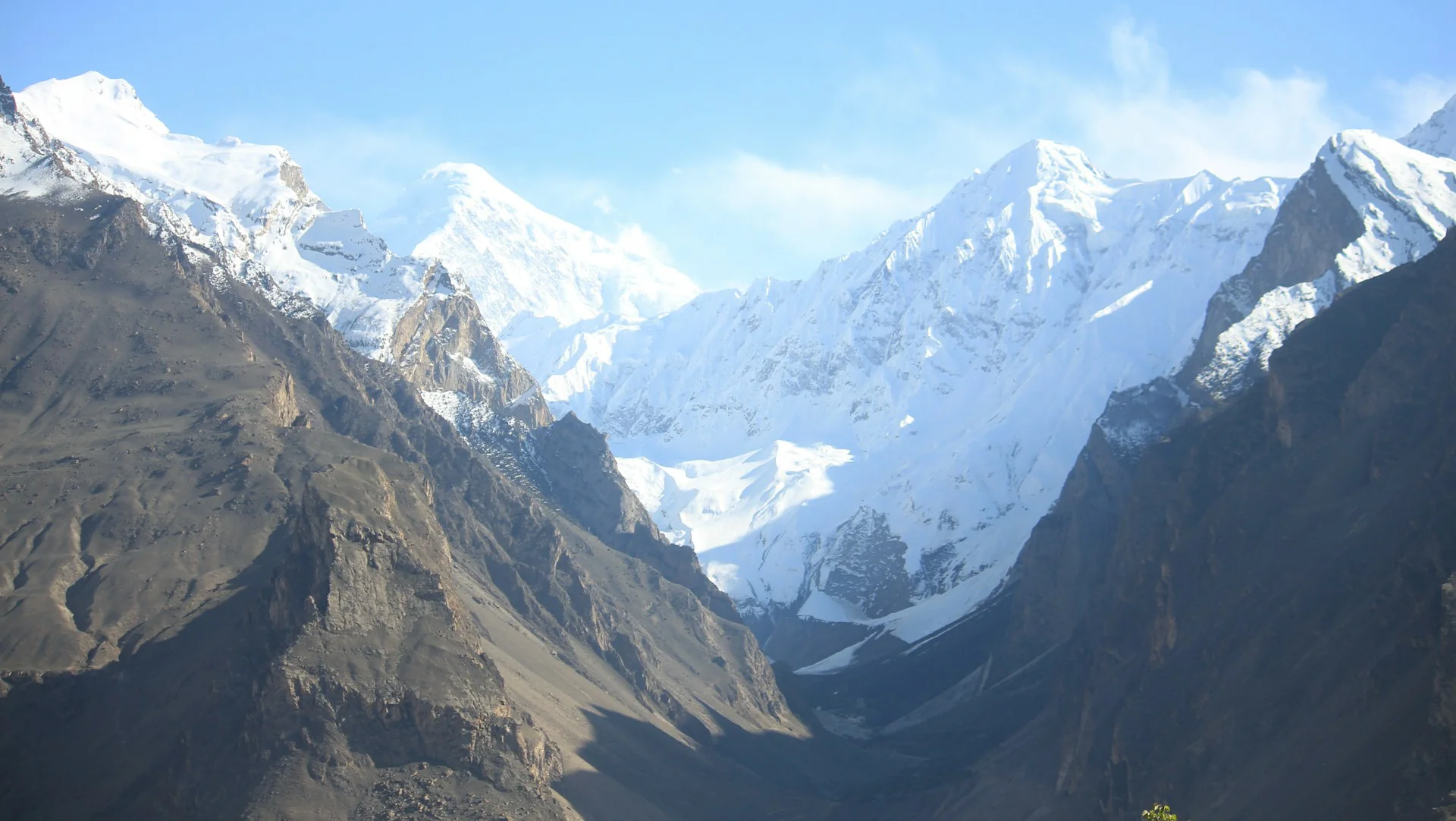
The Annapurna Base Camp (ABC) Trek is one of the most iconic trekking adventures in Nepal. Located in the heart of the Himalayas, the trek leads travelers deep into the breathtaking amphitheater of the Annapurna Conservation Area, surrounded by towering snow-capped peaks and diverse landscapes.
One of the most common questions trekkers ask before planning the journey is about the Annapurna Base Camp elevation. Understanding the altitude of this famous trekking destination is essential for proper preparation, acclimatization, and overall safety.
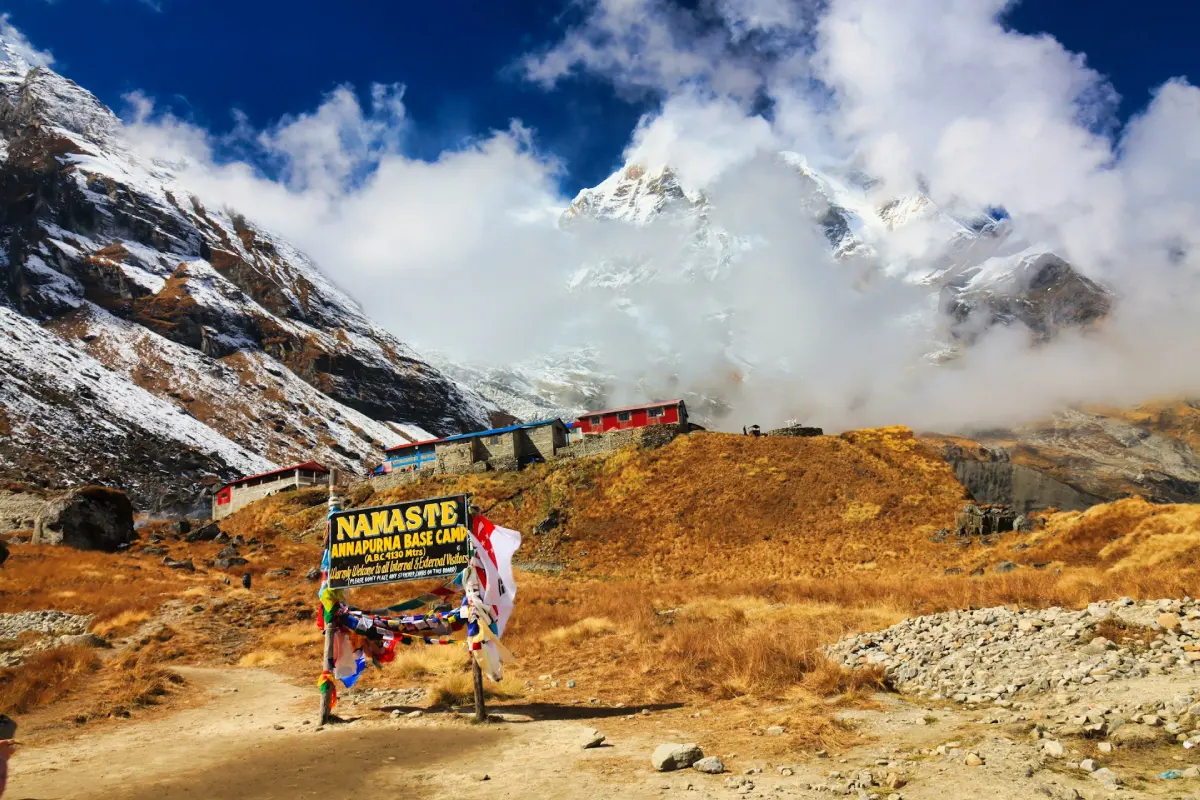
The Annapurna Base Camp elevation is 4,130 meters (13,550 feet) above sea level. While this is lower than some other Himalayan treks, it still falls within the high-altitude trekking category, which means trekkers need to understand altitude gain, acclimatization, and possible altitude sickness.
In this detailed guide, we will explore everything you need to know about the Annapurna Base Camp elevation, including the altitude profile of the trek, highest points, altitude sickness risks, and tips for acclimatization.
What is the Elevation of Annapurna Base Camp?
The Annapurna Base Camp elevation is 4,130 meters (13,550 feet) above sea level. The base camp lies at the foot of the majestic Annapurna I, the tenth-highest mountain in the world with an elevation of 8,091 meters.
Situated in a spectacular glacial basin known as the Annapurna Sanctuary, the base camp is surrounded by towering Himalayan peaks, including:
- Machapuchare (6,993 m)
- Hiunchuli
- Annapurna South
- Annapurna I
This unique bowl-shaped valley creates one of the most stunning mountain landscapes in the Himalayas. The altitude of 4,130 meters allows trekkers to experience high-altitude Himalayan scenery without requiring advanced mountaineering skills.
Because of its moderate elevation compared to other Himalayan base camps, the trek is considered achievable for beginner and intermediate trekkers, provided they follow proper acclimatization practices.
Elevation Profile of the Annapurna Base Camp Trek
The Annapurna Base Camp trek elevation profile gradually increases as trekkers travel deeper into the Himalayan mountains. Most trekking routes begin from the scenic lakeside city of Pokhara and pass through traditional Gurung and Magar villages before reaching the base camp. The steady altitude gain allows trekkers to acclimatize naturally and enjoy diverse landscapes along the trail.
Below is a typical altitude progression along the trekking route.
Typical Annapurna Base Camp Elevation Route
| Location | Elevation |
| Pokhara | 822 m |
| Nayapul | 1,070 m |
| Ghorepani | 2,874 m |
| Chhomrong | 2,170 m |
| Deurali | 3,230 m |
| Machapuchare Base Camp | 3,700 m |
| Annapurna Base Camp | 4,130 m |
As the altitude gradually increases, trekkers pass through lush forests, terraced fields, alpine meadows, and eventually glacial landscapes near the base camp.
This gradual elevation gain is one of the reasons why the ABC trek is considered manageable for many trekkers, as the route allows the body to adapt to higher altitudes naturally.
Highest Point of the Annapurna Base Camp Trek
The highest point of the Annapurna Base Camp trek is Annapurna Base Camp, which stands at an elevation of 4,130 meters (13,550 feet) above sea level. Reaching this altitude is one of the most exciting moments of the trek, as travelers finally arrive at the heart of the famous Annapurna Sanctuary. At this elevation, trekkers stand in the middle of a dramatic Himalayan landscape surrounded by towering snow-covered peaks.
The Annapurna Sanctuary forms a natural amphitheater of mountains, offering breathtaking 360-degree panoramic views of the Himalayas. This unique setting makes Annapurna Base Camp one of the most scenic trekking destinations in Nepal.
From the base camp, trekkers can clearly see several magnificent Himalayan peaks, including:
- Annapurna I – 8,091 m
- Machapuchare – 6,993 m
- Hiunchuli – 6,441 m
- Annapurna South – 7,219 m
Watching the sunrise over these peaks from Annapurna Base Camp is one of the most memorable experiences for trekkers visiting Nepal.
Total Elevation Gain During the ABC Trek
Although the Annapurna Base Camp elevation reaches 4,130 meters (13,550 feet), the total elevation gain during the ABC trek is roughly 3,300 meters, depending on the starting point. Most trekkers begin their journey at an altitude of 800–1,000 meters near Pokhara, and the trail gradually ascends over several days.
The typical ABC trek duration varies according to the itinerary:
- Short itinerary: 7–8 days
- Standard itinerary: 9–11 days
- Extended itinerary: 12–14 days
Trekkers usually gain 400–700 meters of altitude per day, allowing the body to acclimatize and helping reduce the risk of altitude sickness. This gradual ascent makes the Annapurna Base Camp trek one of the most accessible high-altitude treks in Nepal, ideal for beginner and intermediate trekkers seeking Himalayan adventure.
By following a proper ABC trek itinerary and pacing themselves, trekkers can enjoy stunning landscapes, traditional villages, and alpine scenery while safely reaching the highest point of the Annapurna Sanctuary.
Annapurna Base Camp Elevation vs Everest Base Camp
Many trekkers compare the Annapurna Base Camp trek with the famous Everest trek. While both are iconic Himalayan journeys, there is a significant difference in elevation.
| Trek | Elevation |
| Annapurna Base Camp | 4,130 m |
| Everest Base Camp | 5,364 m |
The Everest Base Camp trek is over 1,200 meters higher than Annapurna Base Camp, making it more physically demanding in terms of altitude.
Because of the lower elevation, the ABC trek generally has:
- Lower risk of altitude sickness
- Shorter trekking duration
- More accessible trails
However, both treks offer extraordinary Himalayan scenery and cultural experiences.
Risk of Altitude Sickness at Annapurna Base Camp
Even though the Annapurna Base Camp elevation is lower than Everest Base Camp, trekkers can still experience altitude-related issues, particularly Acute Mountain Sickness (AMS).
Common Symptoms of AMS include:
- Headache
- Nausea
- Dizziness
- Fatigue
- Loss of appetite
- Difficulty sleeping
Symptoms usually appear above 2,500 meters, which means trekkers may begin to feel altitude effects around stops like Deurali or Machapuchare Base Camp.
Most cases of altitude sickness on the Annapurna Base Camp trek are mild and improve with proper rest, hydration, and gradual ascent. Trekkers can reduce the risk of AMS by following a well-planned ABC trek itinerary that includes acclimatization days and pacing themselves along the high-altitude route.
Understanding the risks of altitude sickness on the ABC trek is essential for a safe and enjoyable Himalayan trekking experience.
Acclimatization Tips for the ABC Trek
Proper acclimatization is essential for trekking safely at high altitude, especially on the Annapurna Base Camp (ABC) trek. Following simple yet effective guidelines can help reduce the risk of altitude sickness and ensure a safer, more enjoyable Himalayan adventure.
Important Acclimatization Tips for ABC Trek:
1. Ascend Gradually
- Avoid climbing too quickly.
- Follow a well-planned ABC trek itinerary that allows your body to adjust to increasing altitude.
- Gradual ascent helps reduce Acute Mountain Sickness (AMS) symptoms.
2. Stay Hydrated
- Drink at least 3–4 liters of water per day.
- Proper hydration improves circulation and reduces fatigue at high elevations.
3. Walk Slowly and Steadily
- Maintain a comfortable pace and avoid overexertion.
- Slow trekking helps your body acclimatize while preserving energy for higher altitudes.
4. Avoid Alcohol and Smoking
- These can worsen altitude symptoms and increase the risk of dehydration.
5. Listen to Your Body
- If symptoms worsen, descend to a lower altitude immediately.
- Do not ignore the warning signs of AMS.
Many ABC trekking itineraries include an overnight stop at Machapuchare Base Camp before reaching Annapurna Base Camp. This pause allows trekkers to acclimatize, adjust to the altitude, and enjoy stunning views of Machapuchare, ensuring a safer journey to the highest point of the trek.

Best Time to Trek Annapurna Base Camp
Choosing the best season to trek Annapurna Base Camp (ABC) is essential for safe and enjoyable trekking. Weather, trail conditions, and visibility play a critical role in planning the journey. The ABC trek is accessible throughout the year, but certain seasons provide the most favorable conditions for high-altitude trekking and mountain photography.
1. Spring (March – May)
Spring is one of the most popular seasons for the Annapurna Base Camp trek. During this time, the trail comes alive with blooming rhododendrons, colorful flora, and lush greenery. Temperatures are moderate, the skies are usually clear, and snowfall at lower elevations is minimal, making trekking more comfortable. Spring also offers excellent opportunities to capture the stunning Himalayan landscapes, including views of Annapurna I and Machapuchare.
2. Autumn (September – November)
Autumn is considered the best season for the ABC trek due to stable weather and crystal-clear mountain views. The skies are clear after the monsoon, and the surrounding peaks of the Annapurna Sanctuary are highly visible. This season is ideal for trekking, photography, and enjoying panoramic Himalayan vistas.
3. Winter (December – February)
Winter trekking is possible but less popular. Trails at higher elevations can be colder, and snow may affect accessibility. However, winter offers solitude, fewer trekkers, and clear skies, making it an option for experienced hikers seeking a quieter adventure.
Choosing the right season for the Annapurna Base Camp trek ensures safer trekking, better views, and a more memorable Himalayan experience.
Why Understanding Annapurna Base Camp Elevation Matters
Knowing the Annapurna Base Camp elevation is important for several reasons.
1. Better Trek Planning
Understanding the altitude helps trekkers choose the right itinerary and pace.
2. Preventing Altitude Sickness
Being aware of elevation changes allows proper acclimatization.
3. Choosing the Right Gear
Higher altitude means colder temperatures and stronger winds.
4. Improving Trek Safety
Preparation ensures a safer and more enjoyable trekking experience.
Altitude awareness is a key factor that separates a well-prepared trekker from an unprepared one.
Conclusion
The Annapurna Base Camp elevation of 4,130 meters (13,550 feet) offers trekkers an incredible opportunity to experience the beauty of the Himalayas without the extreme altitude challenges of some other treks in Nepal.
The journey to the Annapurna trek in Nepal takes trekkers through diverse landscapes, traditional mountain villages, and breathtaking alpine scenery before reaching the spectacular Annapurna Sanctuary.
Surrounded by towering peaks like Annapurna I and Machapuchare, the base camp provides one of the most unforgettable trekking experiences in the world.
With proper acclimatization, a well-planned itinerary, and basic trekking preparation, the Annapurna Base Camp trek is an achievable adventure for many travelers seeking to explore the Himalayan mountains of Nepal.
FAQs
What is the elevation of Annapurna Base Camp?
The Annapurna Base Camp elevation is 4,130 meters (13,550 feet) above sea level.
Is Annapurna Base Camp higher than Everest Base Camp?
No. Everest Base Camp is higher at 5,364 meters, while Annapurna Base Camp is 4,130 meters.
What is the highest point of the Annapurna Base Camp trek?
The highest point of the trek is Annapurna Base Camp at 4,130 meters.
Can you get altitude sickness at Annapurna Base Camp?
Yes. Trekkers may experience symptoms of Acute Mountain Sickness above 2,500 meters, but proper acclimatization reduces the risk.
How long does it take to reach Annapurna Base Camp?
Most trekking itineraries take 7–12 days, depending on the route and acclimatization schedule.
How high is Annapurna Base Camp in feet and meters?
The elevation of Annapurna Base Camp is 4,130 meters (13,550 feet) above sea level. This altitude places the base camp in the high-altitude trekking zone of the Himalayas, offering spectacular views of surrounding peaks including Annapurna I and Machapuchare.
What is the elevation gain during the Annapurna Base Camp trek?
The typical Annapurna Base Camp trek elevation gain is about 3,000–3,300 meters, depending on the starting point of the trek. Most trekkers begin near 800–1,000 meters around Pokhara before gradually ascending to Annapurna Base Camp at 4,130 meters.
At what altitude does the Annapurna Base Camp trek start?
The Annapurna Base Camp trek usually begins around 800–1,000 meters above sea level. Trekkers commonly start the journey from areas near Pokhara and enter the trekking route through villages like Nayapul or Jhinu Danda before gradually climbing toward the Annapurna Sanctuary.
Related Post

Photography Tours in Nepal: Capture the Himalayas, and Wilderness
 Laxman Bhattarai
 25/02/2026
Trekking with Kids in the Annapurna Region: Family Adventure in Nepal
ntsherpa79
16/12/2025

5 Most Beautiful Treks in Nepal | The Best Trekking Guide Ever
ntsherpa79
15/10/2025