
Everest Base Camp Trek In Nepal – Complete Guide 2026
Posted by: ntsherpa79
The Everest Base Camp Trek in Nepal is truly a dream adventure for trekkers from around the world. This iconic journey takes you deep into the heart of the majestic Himalayas, where every step reveals breathtaking landscapes, from lush valleys and rhododendron forests to towering snow-capped peaks. The trek is not just about the scenery—it is also an immersion into the rich Sherpa culture. Along the way, you’ll pass charming villages, meet warm-hearted locals, and explore ancient monasteries that give you a glimpse into their spiritual way of life.
As you make your way higher, the air becomes crisper, and the views of Everest, Lhotse, and Ama Dablam grow more dramatic and awe-inspiring. The journey challenges both the body and the spirit, rewarding trekkers with a sense of accomplishment unlike any other. Camping under the Himalayan sky or enjoying a cozy teahouse evening adds to the magic of this adventure.
Whether you are a seasoned trekker seeking a new challenge or a passionate traveler longing to witness the world’s tallest mountain up close, the Everest Base Camp Trek in Nepal offers memories that will last a lifetime. Every moment on this trail is an experience of wonder, culture, and natural beauty rolled into one unforgettable journey.
History of the Everest Base Camp Trek in Nepal
The history of the Everest Base Camp trek in Nepal is truly inspiring. It all began in the early 20th century when British climbers first attempted to explore the mighty Everest. The world watched in awe in 1953 when Sir Edmund Hillary and Tenzing Norgay successfully reached the summit, marking a historic moment that would inspire generations.
Over the years, the trek to Everest Base Camp has become a dream adventure for travelers worldwide, offering not just the thrill of standing at the foot of the world’s tallest mountain but also a chance to experience the warm hospitality and rich traditions of the Sherpa people. Today, the trek continues to captivate adventurers with its breathtaking landscapes, cultural encounters, and unforgettable Himalayan charm.
Day-by-day itinerary overview
The trek begins with one of the world’s most memorable flights, into Tenzing-Hillary Airport at Lukla, which sits at 2,846 m with a runway just 527 m long, per the Civil Aviation Authority of Nepal airport profile. From there the trail climbs steadily through Sherpa villages and pine forest toward the high glacier world above.
A typical route looks like this:
- Day 1: Fly Lukla (2,846 m), trek to Phakding (2,610 m), about 8 km
- Day 2: Phakding to Namche Bazaar (3,440 m), the main Sherpa trading hub
- Day 3: Acclimatization day at Namche, with a short climb higher to sleep low
- Day 4: Namche to Tengboche (3,860 m), home to the famous monastery
- Day 5: Tengboche to Dingboche (4,410 m)
- Day 6: Acclimatization day at Dingboche
- Day 7: Dingboche to Lobuche (4,910 m)
- Day 8: Lobuche to Gorak Shep (5,164 m), then out to Everest Base Camp (5,364 m) and back
- Day 9: Pre-dawn climb of Kala Patthar (5,545 m), then descend toward Pheriche
- Days 10 to 12: Retrace the valley to Namche and Lukla, then fly to Kathmandu
The whole round trip covers roughly 130 km (80 miles), which averages a manageable 10 to 15 km on walking days. The distance is not the hard part. The altitude is, which is exactly why those two rest days are non-negotiable.
Trekking Highlights: Must-Visit Places on the Everest Base Camp Trek in Nepal
The Everest Base Camp trek in Nepal is a journey through some of the most famous landmarks in the Himalayas:
- Namche Bazaar (3,440m) – The Gateway to EverestNamche Bazaar is a bustling mountain town and a key stop for acclimatization. Here, trekkers can explore vibrant markets, cozy cafes, and local trekking shops, all while enjoying stunning views of snow-capped peaks. The lively atmosphere and friendly locals make Namche a perfect introduction to the Everest region.
- Tengboche Monastery (3,867m) – A Spiritual RetreatPerched high on a hill, Tengboche Monastery is the largest Buddhist monastery in the region. It offers a serene escape for trekkers, with breathtaking views of Everest, Ama Dablam, and other majestic peaks. The peaceful ambiance and spiritual energy make it a memorable stop on the journey.
- Everest Base Camp (5,364m) – A Dream DestinationThe ultimate highlight of the trek, Everest Base Camp, is where adventure meets awe. Standing at the foot of the world’s tallest mountain is an unforgettable moment of triumph and wonder for every trekker.
Best Trekking Seasons in Nepal for Everest Base Camp Trek
Best Trekking Seasons in Nepal for Everest Base Camp Trek
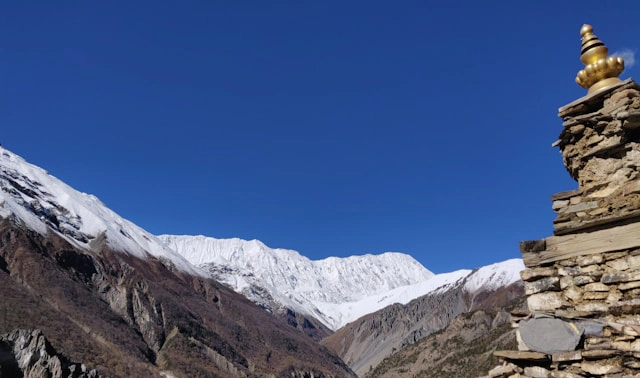
Two windows stand out for the Everest region. Spring, from March to May, brings warming days, blooming rhododendron on the lower trail, and stable weather. Autumn, from September to November, delivers the clearest skies and sharpest mountain views of the year. As Follow Alice notes in its Nepal trekking guide, these are the prime months for stable conditions and visibility. Winter is cold but clear and quiet, while the summer monsoon brings cloud, rain, and flight delays into Lukla.
Choosing the right trekking season is essential for a successful Everest Base Camp adventure. If you’re planning your trek and want a broader overview of seasonal conditions across the country, our guide to the best time to trek in Nepal provides a useful comparison of spring, monsoon, autumn, and winter trekking seasons.
The best times to embark on the Everest Base Camp trek in Nepal are:
- Spring (March-May) – Mild temperatures, blooming rhododendrons, and clear mountain views.
- Autumn (September-November) – Stable weather, crisp air, and the best visibility.
- Winter (December-February) brings extreme cold, while the monsoon (June-August) makes the trails muddy and challenging.
By planning your trek in spring or autumn, you can enjoy stable weather, stunning mountain vistas, and a comfortable journey through the heart of the Himalayas. Choosing the right season ensures that your Everest Base Camp adventure is not only safe but also unforgettable.
Altitude Sickness Prevention: Staying Safe on the Everest Base Camp Trek in Nepal
Trekking to Everest Base Camp in Nepal takes you to high altitudes, where the risk of altitude sickness is real. Staying safe is key to enjoying your adventure.
Start by acclimatizing properly in towns like Namche Bazaar and Dingboche, allowing your body to adjust gradually. Hydrate frequently and avoid alcohol or heavy meals that can make altitude sickness worse. Maintain a slow, steady pace, and include rest days in your itinerary to help your body adapt.
It’s also important to recognize the symptoms of altitude sickness, which can include headache, dizziness, nausea, or shortness of breath. If these appear, don’t ignore them—descend to a lower altitude immediately to prevent serious complications.
By taking these precautions, you can enjoy the stunning Himalayan landscapes, meet the welcoming Sherpa communities, and reach Everest Base Camp safely, making your journey not only thrilling but also healthy and unforgettable.
Trekking Permits: What You Need to Know for Everest Base Camp Trek in Nepal
To trek in the Everest region, you need the following trekking permits:
- Sagarmatha National Park Entry Permit – Required to enter the protected area.
- Khumbu Pasang Lhamu Rural Municipality Permit – Replaces the TIMS card for Everest trekkers.
These can be obtained in Kathmandu or Lukla. Ensure you carry them at all times during the trek.
Trekking Gear Essentials: What to Pack for Everest Base Camp Trek in Nepal
Having the right trekking gear is essential for a comfortable and safe journey on the Everest Base Camp trek in Nepal. Proper equipment helps you stay warm, protected, and energized while trekking through varying weather conditions and high-altitude terrain.
Here’s a handy checklist of essentials for your adventure:
- Waterproof trekking boots and warm socks – for comfort and protection on rocky or slippery trails
- Layered clothing – to adjust easily to changing temperatures
- A -10°C to -20°C sleeping bag – to stay cozy during cold nights
- Down jacket, gloves, and thermal wear – for extra warmth at higher altitudes
- Sunglasses, sunscreen, and trekking poles – to protect from sun, glare, and aid balance
- Hydration system and energy snacks – to keep your body fueled and hydrated throughout the trek
With these essentials, you can focus on enjoying the stunning Himalayan landscapes, meeting local Sherpa communities, and making every step toward Everest Base Camp safe, comfortable, and unforgettable.
FAQs: Everything You Need to Know About the Everest Base Camp Trek in Nepal
How Difficult is the Everest Base Camp Trek in Nepal?
The trek is physically demanding due to the high altitude and long distances. A good level of fitness and preparation is essential.
What is the Altitude of Everest Base Camp?
Everest Base Camp sits at 5,364m (17,598 ft) above sea level. Proper acclimatization is key to avoiding altitude sickness.
What is the Best Time to Trek?
The best time is spring (March-May) and autumn (September-November) for clear skies and stable weather.
Do I Need Special Permits?
Yes, you need the Sagarmatha National Park Permit and the Khumbu Pasang Lhamu Permit.
What Kind of Accommodation is Available?
Teahouses and lodges offer basic but comfortable lodging. Booking in advance is recommended during peak seasons.
Conclusion
The Everest Base Camp trek in Nepal is a life-changing adventure through the stunning Himalayas, vibrant Sherpa culture, and historic monasteries like Tengboche Monastery. Proper planning, the right trekking gear essentials, and awareness of altitude sickness prevention will ensure a safe and unforgettable experience.
So, lace up your boots and embark on an extraordinary high-altitude trekking journey to the foot of Everest! Here is our Everest Base Camp trek in Nepal trip.
Related Post

Hand Luggage when traveling to Nepal
 admin
admin 09/09/2026
Chasing Shadows: An Unforgettable Snow Leopard Expedition in Nepal
ntsherpa79
09/09/2026
Annapurna Base Camp Tea Houses: Complete Accommodation Guide
Laxman Bhattarai
09/09/2026
Explore Nepal’s Rich Culture Through Vegan Culinary Adventures
ntsherpa79
24/07/2026